
Accommodation in Malawi
Accommodation in Malawi
Malawi becomes especially interesting for many trips when you do not just see the name of a place, but also think about its setting: on Lake Malawi with water and shoreline, in the highlands with scenery and activity, or in a region that combines both in one route. That is exactly where the difference lies between a simple place to stay and a good base for your trip. With children, a clear decision about the location is often worthwhile.
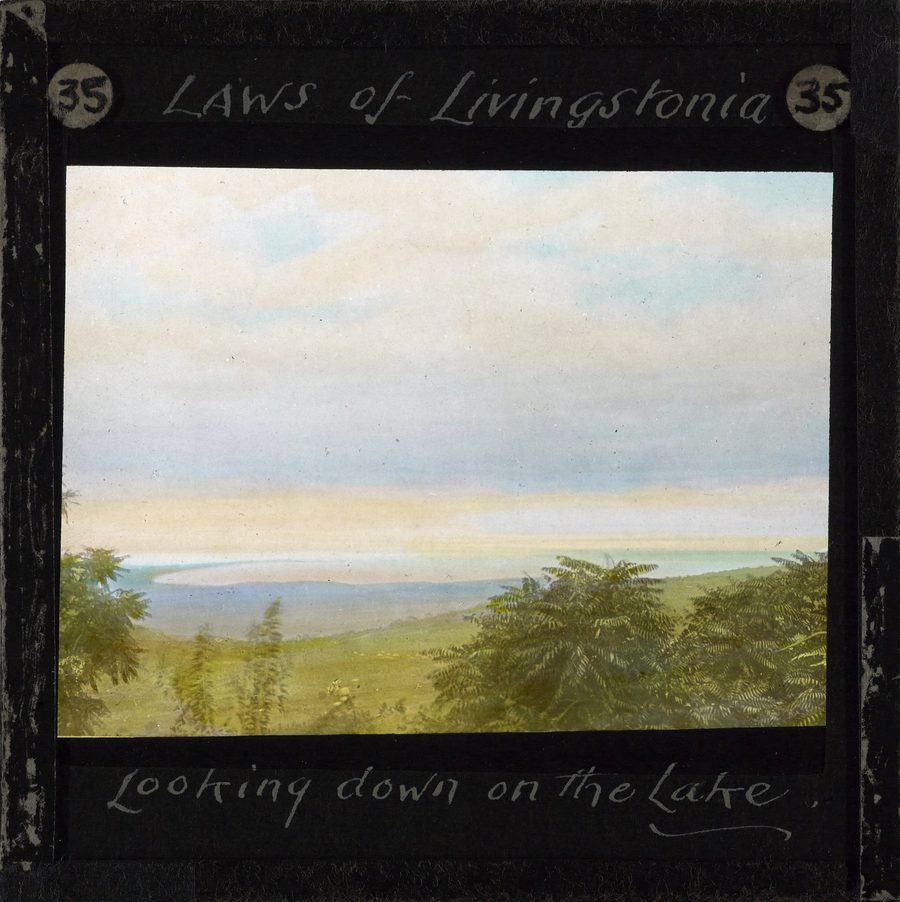 An elevated view of Lake Malawi in Malawi.
Photo: Unknown author Unknown author via Source, Public domain
An elevated view of Lake Malawi in Malawi.
Photo: Unknown author Unknown author via Source, Public domain
Quick facts about Malawi
- Malawi is a landlocked country with a strong Lake Malawi and highland profile.
- Lake Malawi is a very long freshwater lake with beaches and water activities.
- A practical overview is provided by the division into Southern, Central and Northern Malawi, supplemented by Lake Malawi and national parks.
- Hiking, birdwatching and other nature days complement the lakeside setting; tea plantations offer a simple glimpse into everyday life.
Which base in Malawi suits your trip?
Start centrally or keep the south in mind
For an initial overview, the division into Southern, Central and Northern Malawi is helpful. The Central Region and Lilongwe are the clear, central bases for this; in the south, Southern Region and Nsanje add a trip that focuses more on scenery and changing impressions. Tea plantations can provide a simple glimpse into everyday life there.
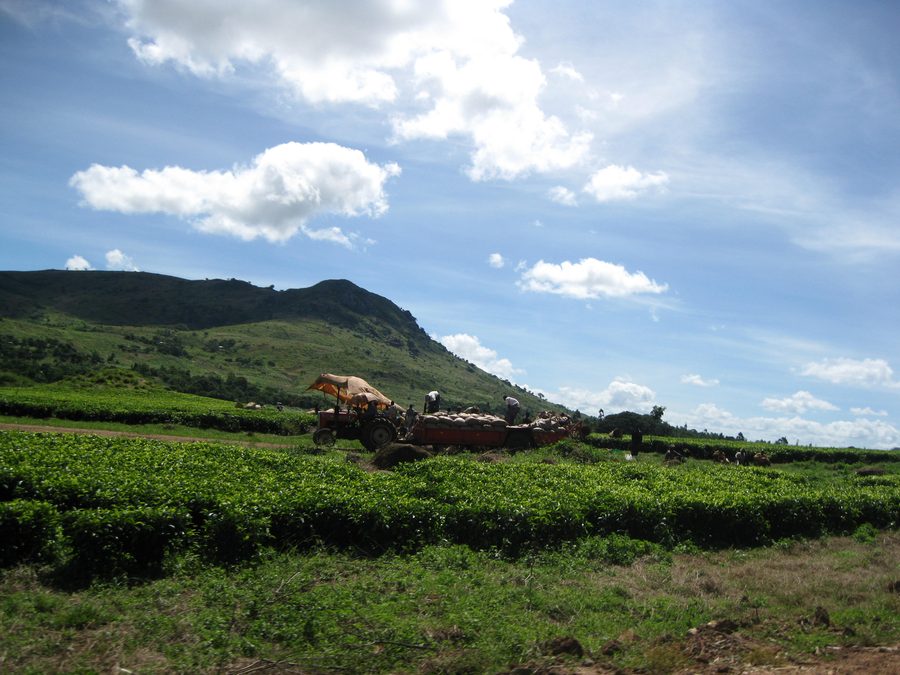
With children, this is often more pleasant than many short changes of location: first orientation and everyday life, then a different landscape impression.
When water and nature set the tone
If you see the lake as the strongest argument, you are more likely to look toward the north and a lakeside setting. The Northern Region offers the broader natural setting, while Likoma emphasizes the immediate closeness to the lake world.
That keeps the trip clear: a water focus at the lake, more scenery and movement in the highlands, or a combination of both if the south is also on the plan.
What you can experience in Malawi
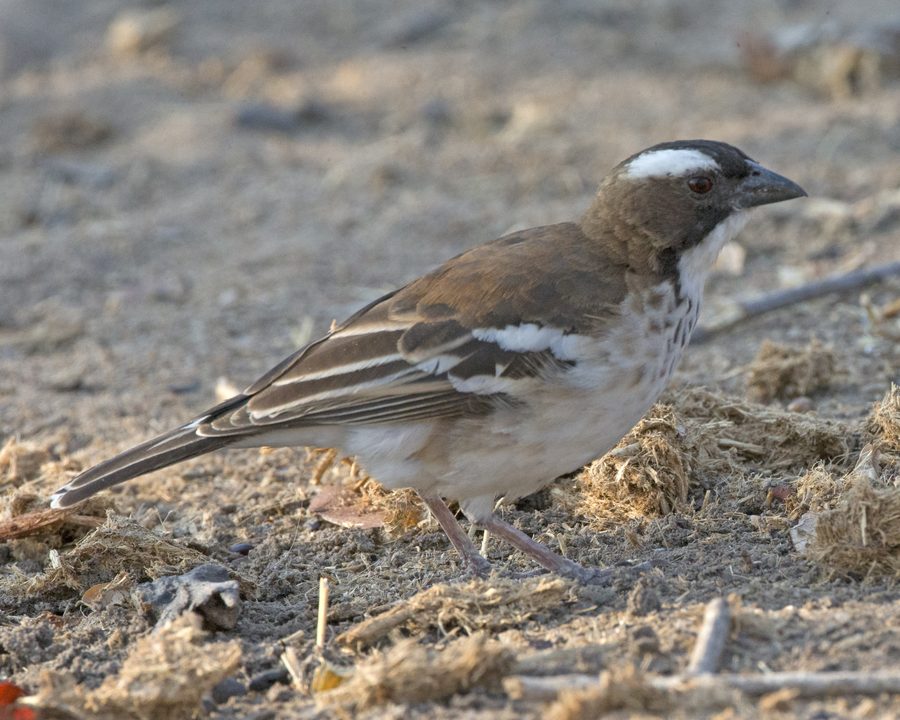
Besides the lake, Malawi also offers hiking, birdwatching and other nature days. River landscapes add extra depth to the trip, and the alternation between lake and highlands ensures that the country never feels one-dimensional.
For choosing accommodation, this means: at the lake you are more likely to choose a calm, water-oriented pace; in the highlands you get more scenery and movement; and a southern combination can bring both together in one trip.
Frequently asked questions about Malawi
Why do Lake Malawi and the highlands shape travel in Malawi so strongly?
Because your days at the lake are very different from your days in the highlands: there you have water and shoreline, here scenery and movement. That quickly makes the choice of base in Malawi the real travel topic.
How does the division into Southern, Central and Northern Malawi help with orientation?
It gives you a simple framework for orientation when you want to choose between the center, south and north. That makes it easier to sort the trip by scenery and travel rhythm.
Which nature experiences complement the lake in Malawi?
Alongside the lake, hiking, birdwatching and other nature days fit well; river landscapes and tea plantations also offer a simple addition to the shoreline setting.
Why is a southern route combining highlands and lake worthwhile in Malawi?
Because a highland-focused section can be combined well with a later stay at the lake. That creates variety without you having to change locations constantly.

_(imp-cswc-GB-237-CSWC47-LS5-1-035).jpg)

_(23684431102).jpg)