
Accommodation in Madagascar
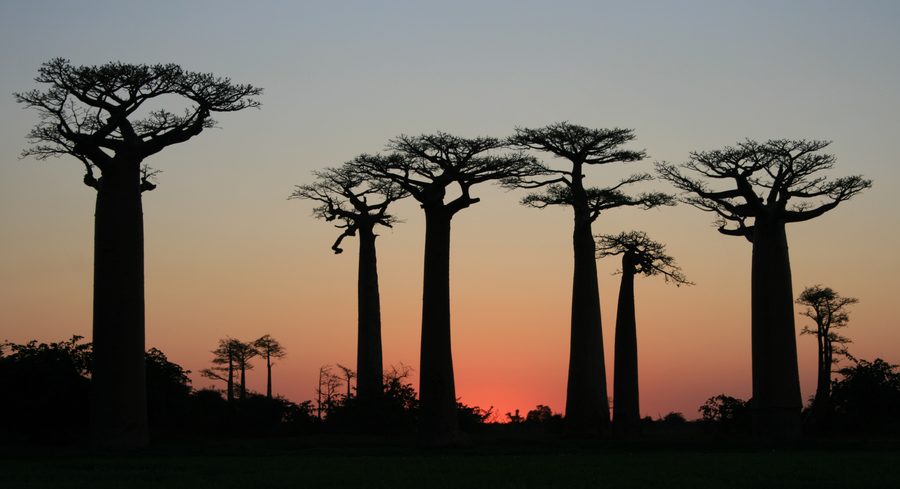 The Avenue of the Baobabs near Morondava in western Madagascar.
Photo: Gavinevans via Wikimedia Commons, CC BY-SA 3.0
The Avenue of the Baobabs near Morondava in western Madagascar.
Photo: Gavinevans via Wikimedia Commons, CC BY-SA 3.0
Madagascar is not an island for a single standard base. Between the rainforests in the east, the highlands in the interior, the distinctive baobab landscape in the west, and coastal areas with beach and sea themes, the travel logic changes noticeably. If you are planning with family or with several travelers, the location of the accommodation often shapes the experience more than the place name itself.
Quick facts about Madagascar
- Madagascar is a large island with very different landscapes.
- The east side is especially associated with rainforest scenery.
- The west, with the Avenue of the Baobabs near Morondava, offers a striking landscape image.
- Antananarivo is often the starting or ending point of round trips and offers cultural and market connections.
- Which type of trip works best depends heavily on travel duration, interests, and pace.
How to choose the right base on the island
For families and other travelers who like to plan ahead, it is worth sorting Madagascar first by travel rhythm: the coast, the north, and the west for scenic stages; the highlands and the capital for arrival, inland travel, and culture. A single accommodation rarely suits the whole island, because nature, coast, and inland areas are so different. It is usually more sensible to decide between a coastal stay, a highland stage, or a trip with several stops. Depending on time and pace, a round trip can combine rainforest, highlands, Tsingy formations, and the coast.
If you want to combine scenery and stages, a western or coastal focus is worthwhile. The baobab landscape is the clearest visual motif there, and as a base for such a route, Mahajanga feels especially fitting. If you place the north within a coastal or multi-stop plan, Antsiranana offers a suitable orientation. For a focus on the east coast and rainforest, Toamasina is the obvious choice, while Toliara is a better fit when the sea and a more relaxed coastal rhythm are important.
Central and highland regions: arrival, inland travel, and cultural stops
In the central part of the island, other factors matter: arrival, inland travel, and cultural stops. Especially in the highlands, winding roads, rice fields, vegetable cultivation, and forest sections can shape the travel pace. Antananarivo Avaradrano is a natural starting point or stopover if you want to think about culture and arrival together. Fianarantsoa suits an inland-oriented base in the highlands, and Maevatanana is best understood as an intermediate stop on a longer island route.
Frequently asked questions about Madagascar
Why is Madagascar more of an island for stages than for a single base?
Madagascar has very different landscapes, and the right type of trip depends heavily on travel duration, interests, and pace.
What is the east side suited for compared with the west?
The east side is especially associated with rainforest scenery, the west with the distinctive baobab landscape, and coastal or island stays work well for beach and sea themes.
What role does Antananarivo play on a Madagascar trip?
Antananarivo is often the starting or ending point of round trips and adds cultural and market connections to the travel plan.
How does a Madagascar route combine rainforest, highlands, Tsingy, and the coast?
Depending on time and pace, these landscapes can be combined into a trip with several stops.


.jpg)