
Holiday apartment in Ekerö: Culture, Water and Nature
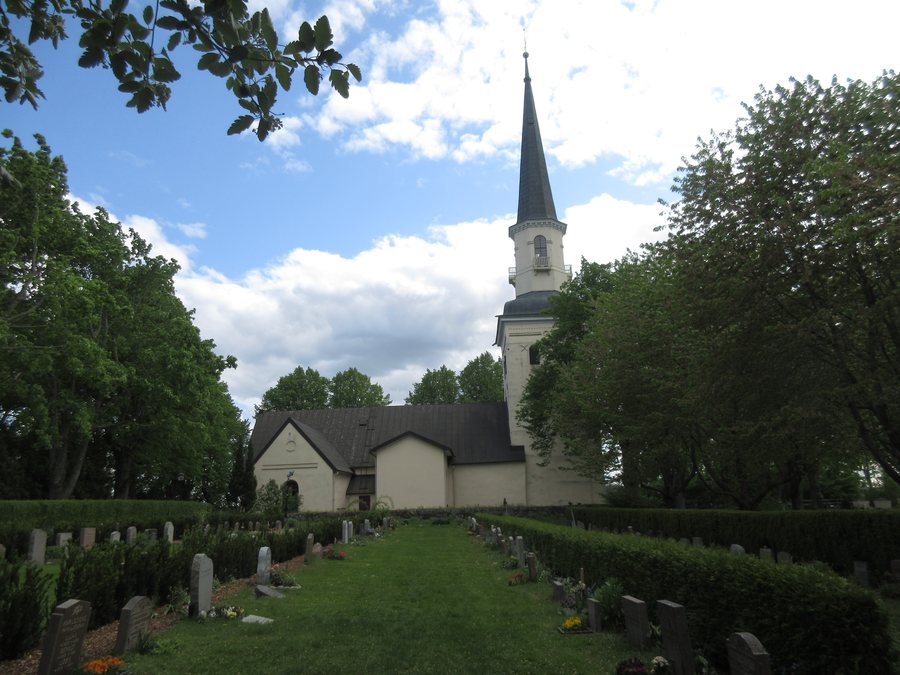 File:Ekerö kyrka, exteriör, Ekerö kommun, 2023a.jpg
Photo: Bysmon via Wikimedia Commons, CC BY-SA 4.0
File:Ekerö kyrka, exteriör, Ekerö kommun, 2023a.jpg
Photo: Bysmon via Wikimedia Commons, CC BY-SA 4.0
Ekerö combines historical sites with aquatic landscapes. A striking example is Ekerö Church, which was built in the late 12th century as the estate church of Askanäs. It is located on the northern shore of Ekeröfjärden, near a steep shoreline embankment.
Culture and History
The history of the region dates back to the Viking Age. Between approximately 750 and 980 AD, Birka was one of Northern Europe's most important trading towns. The activities of Birka were organised and directed from the royal estate of Hovgården. In Birka, a hillfort, the town fortifications, burial mounds and the Viking Age settlement site are visible. Visible remains at Hovgården include monumental mounds, a cemetery, a harbour, a runestone and the foundations of Alsnö hus.
The World Heritage Site of Drottningholm includes the palace, the palace theatre, the Chinese Pavilion and the gardens preserved there. Historical traces can also be found in Ekerö Municipality: several runestones were created around the year 1000. In the centre of Ekerö, Kulturhuset adds a library, a cinema, a theatre hall and a gallery to this history. Erskinesalen is an assembly and theatre hall there with 218 seats; it hosts theatre performances, concerts, lectures and film screenings.
Part of the contemporary cultural scene is Gallery Utkiken at Kulturhuset in the centre of Ekerö. It showcases contemporary art and themed exhibitions, with approximately four exhibitions per year. There are occasionally public guided tours with the artist currently exhibiting, as well as workshops related to the exhibitions. Ekerö Library in the centre of Ekerö also has a genealogical research room with a computer for genealogical research.
Nature, Gardens and Bathing Spots
The Lovö Nature Reserve also includes Kärsön. There are several paths there that are accessible, for example, by wheelchair and with a pushchair. In Ekerö, bathing spots include jetties, beaches, places for forest bathing and individual rocks. Trails stretching for kilometres lead through wooded surroundings and historic landscapes.
A special combination of landscape and regional plant culture can be found in the park of Ekebyhov Palace. It is home to Sweden's northernmost naturally regenerating beech forest. The Ekebyhov Apple Gene Bank comprises around 50 apple varieties associated with Uppland and central Sweden. Ekerö is particularly known for its apple orchards; around Ekerö, there are also several opportunities to pick fruit and vegetables yourself.
Water and Exercise
Ekerö Badhus has a modern 25-metre pool for swimming, playing, exercise and training. It also has a pool with an adjustable-height floor, a teaching pool, a relaxation pool, a children's pool, a sauna and a café.
There are also various opportunities on the water: in Ekerö, visitors can rent kayaks and canoes at several locations. Friluftsfrämjandet offers guided kayak and canoe tours with varying levels of difficulty. SUP boards can be rented for paddling on Lake Mälaren. Ekerö has downhill and cross-country trails for mountain bikes.
Getting Around Ekerö
Ekerö can be reached by bus, car, boat, ferry and bicycle. SL commuter boat route 89 runs between the centre of Ekerö and Klara Mälarstrand.
For further destination selection, you can go to the following pages: Ekerö, Färentuna, Stenhamra, Skå, Munsö, Adelsön.
For the higher-level travel overview: Stockholm.
Check prices, availability and amenities for your travel dates directly on Booking.com.
View accommodation and offersAdvertisement · Affiliate link to Booking.comMore Destinations
More places within the same destination:

