
Holiday apartment in Kumla: Culture, nature and paths through history
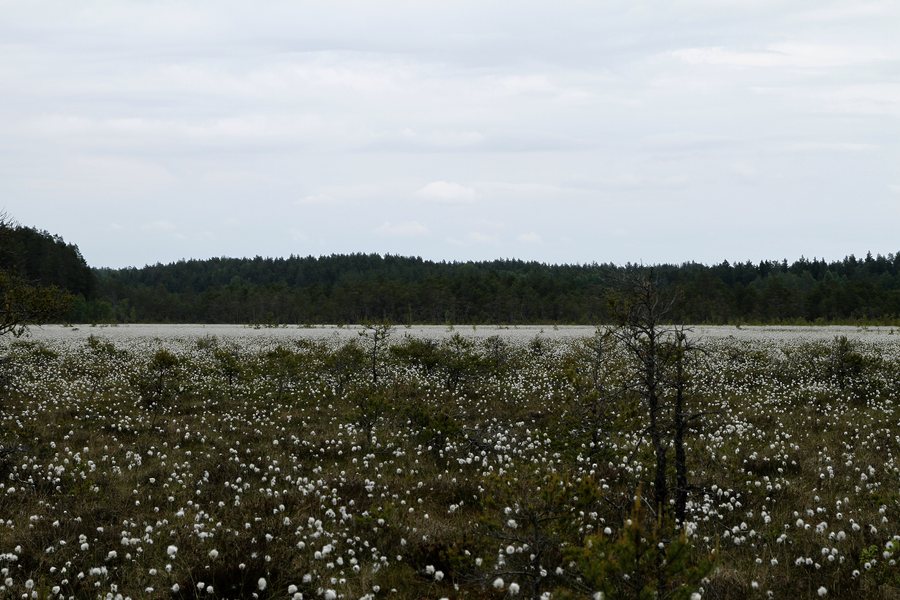
Kumla combines impressive limestone architecture, a rich local history and varied nature within a compact thematic area. This connection is particularly evident at Hardemo Church: it was built towards the end of the 12th century and combines a medieval grey limestone tower with a white nave from the 18th century. The churches of Ekeby and Kumla also preserve traces of bygone centuries.
Culture
Ekeby Church dates from the 18th century and preserves parts of a medieval church within its walls. Its altar furnishings were created by Pehr Hörberg in 1793. In present-day Kumla Church, the foundations of the former medieval church are marked on the floor by darker sections of limestone. The church itself was a medieval pilgrimage church, acquired valuable furnishings in the 15th century and had its own local saint, Saint Torkel.
Limestone also defines Yxhult, which is protected as a listed building site. The buildings Stenhyvleriverkstaden, Huvudkontoret and Trilobiten recall the former heyday of lime burning and natural-stone processing and provide an insight into Swedish building culture. Kumla railway station is also protected as a listed building. The building from 1900 was designed by Folke Zettervall and built from limestone from Yxhult; its roughly hewn stone surfaces recall the architecture of the Middle Ages.
Another historical focal point is Sannahed. About 100 years ago, the place was one of Sweden’s largest military training and camp areas. Around ten buildings from this military period have been preserved, including the Officersmässen and the Husarofficersstugan. The latter shows how an officer of the Hussar Corps lived during exercises in the 19th century. The Skoindustrimuseet, on the other hand, focuses on the development of the shoe industry and Swedish footwear fashion from 1890 to 1980.
Konst på Hög brings contemporary art into the landscape: the sculpture area is located on the 100-metre-high Kvarntorpshögen and presents works by leading Swedish artists. In this way, sacred architectural history, industrial history, military history, fashion and sculpture combine to form a multifaceted cultural picture of Kumla.
Nature
The connection between nature and culture continues in the Hällkistan Nature Reserve. It protects dry-meadow flora that thrives on limestone. Yxhult is also home to Hällkistan, one of the few graves from the Stone Age or the Early Bronze Age in Örebro County. Norra Mossby Nature Reserve preserves a rare alvar-like limestone landscape with steppe-like vegetation and a species-rich flora.
Kumla has nature conservation areas, nature reserves and recreational areas throughout the municipality. The opportunities mentioned there include hiking trails, fishing and swimming; at the same time, there is a rich variety of animal and plant life. Blacksta also has a species-rich dry-meadow flora. Measures have been carried out there to protect the endangered pasqueflower.
A path from the car park in the south-west of Norra Mossby Nature Reserve leads through the reserve; at its northern boundary, it connects to a path leading into the Fjärilslandskapet between Kvarntorp and Hällabrottet.
Things to do
The Kvarntorp outdoor recreation area has eight hiking trails ranging from 0.9 to 4.8 kilometres in length. Three mountain-bike trails between 4 and 17.5 kilometres are available there, offering different levels of difficulty. A dedicated skills course is divided into the sections Skills, Pump Track and Jumps.
The Regementsmarschen hiking trail runs through the cultural-historical military landscape of Sannahed and passes reminders of this important era. Another route connects literature and the local area: the Håkan Nesser Literature Walk begins at Kumla torg and is approximately 4 kilometres long. At each station, an audio-guide function provides quotations from his books, read aloud by Håkan Nesser himself.
Kumla’s model of the solar system is also laid out as a route. It forms an approximately 10-kilometre cycling route; at each planet, an information board provides details about that planet and the locations of the two nearest planets. Kumla stadspark also has a 2.5-kilometre illuminated running and walking path.
Water and exercise
Djupadalsbadet includes an indoor swimming pool with a lap pool, a teaching pool with an adjustable-height floor and a leisure pool. The outdoor summer pool has a 50-metre pool, a teaching pool, a diving tower and two water slides. Alongside historic paths, nature reserves and cycling routes, this provides a range of differently designed water activities.
Further places
For further options, you can also find Kumla and Skyberga.
Check prices, availability and amenities for your travel dates directly on Booking.com.
View accommodation and offersAdvertisement · Partner link to Booking.comFurther destinations
Further places within the same destination:
To the higher-level travel overview: Örebro.

