
Holiday apartment in Trhová Hradská: River landscape and culture
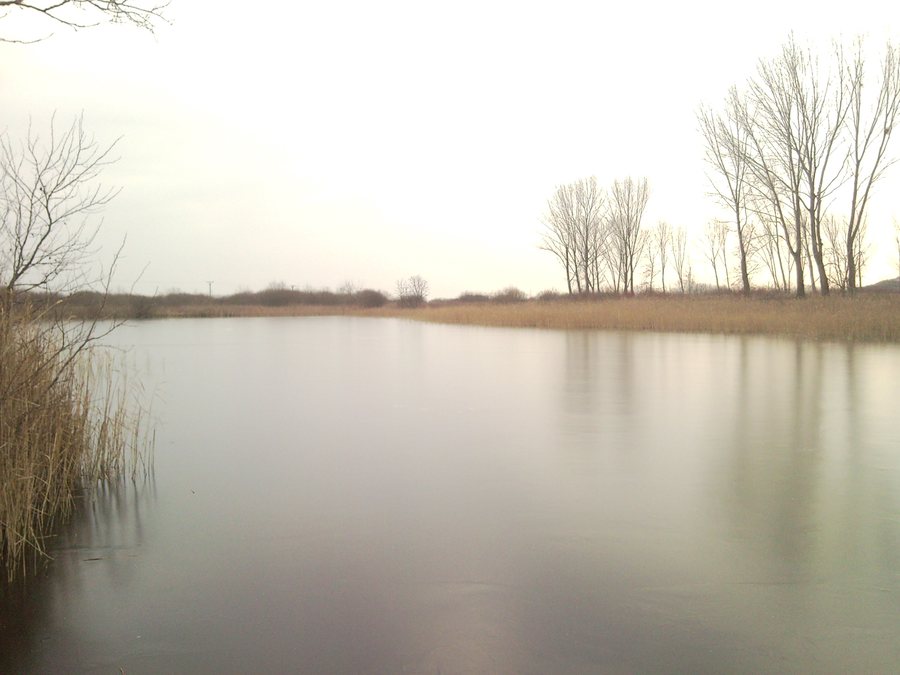 File:930 13 Trhová Hradská, Slovakia - panoramio - Laci30 (1).jpg
Photo: Laci30 via Wikimedia Commons, CC BY 3.0
File:930 13 Trhová Hradská, Slovakia - panoramio - Laci30 (1).jpg
Photo: Laci30 via Wikimedia Commons, CC BY 3.0
The Malý Dunaj flows through Trhová Hradská. Between protected floodplain forests, historic ecclesiastical buildings and vibrant local traditions, a multifaceted townscape emerges in which natural and cultural themes exist closely side by side.
Nature and water
Part of the cadastral territory of Trhová Hradská lies within the Klátovské rameno National Nature Reserve. The fifth level of protection applies in this area; the third level of protection applies in the 100-metre-wide protected zone. The reserve covers 306.4 hectares and protects floodplain forests, standing-water habitats, as well as lowland and mountain meadows.
Rare and protected species occur at Klátovské rameno. These include the fire-bellied toad, Eurasian otter, mute swan, grey heron, coot and white stork. Klátovské rameno runs through the cadastral territory of Trhová Hradská.
Culture and local history
In the centre of Trhová Hradská stands the Church of Saint Anthony of Padua in a well-maintained church garden. The church was remodelled in the Baroque style in 1757 and remodelled again in 1905–1906. Its floor plan is in the shape of a Greek cross, the interior is designed in the Art Nouveau style and the exterior elements are predominantly Neo-Romanesque. The grounds of the Roman Catholic church also contain a Lourdes grotto.
Several smaller monuments add to the historic character. A sandstone Pietà dating from 1883 stands in front of the church, while a Trinity column from 1846 stands in the church garden. A wayside cross or roadside statue of Saint Florian by A. Brandl dates from 1873. Next to the road to Topoľníky stands a statue of Saint John of Nepomuk dating from 1739.
The monument to Lajos Kossuth was erected in 1994. Kossuth visited Trhová Hradská in 1848, when he recruited soldiers there.
The roadside statue of Saint Wendelin was created in 1863 and is classified as a preserved, well-maintained local monument. It stands at the junction on the main road towards Nyárasd, where the road to Nádszeg branches off. A carved wooden memorial post dedicated to the local Vásárúti Dalárda choir dates from 2013.
The town's history is also linked to markets and associations. The livestock markets of the 19th century were widely known in the surrounding area. In 1752, Vásárút received the title “roľnícke mesto” and the right to hold annual fairs. The first local fire brigade association was founded in 1892 with 30 members; the fire station was built in the centre of Trhová Hradská in 1960. A wind band was also active there during the interwar period.
Music and festivals
The Vásárúti Dalárda was founded in January 2007. The local choir preserves folk songs passed down by previous generations in the Csallóköz region. On average, the Vásárúti Dalárda performs at around 25 events per year. Traditionally, it can be heard at the local strudel festival; it also performs at the Advent concert in the town's church.
Cycle paths
Trhová Hradská is part of two described cycle-route connections. The 14-kilometre-long main route IX runs through Kútniky, Dunajský Klátov, Trhová Hradská, Horné Mýto and Ohrady Ostrov (Kürti sziget). The signposted, flat cycle route IX/4 connects Trhová Hradská with Horné Mýto (Klátovské rameno). It runs along a 2.1-kilometre asphalt-concrete section and is suitable for all types of bicycles.
You can find more local pages at Michal Na Ostrove, Sap, Kľúčovec, Kútniky, Rohovce, Kyselica, Jurová and Kostolné Kračany.
For the higher-level travel overview: Dunajská Streda District.
Check prices, availability and amenities for your travel dates directly on Booking.com.
View accommodation and offersAdvertisement · Partner link to Booking.com
.jpg)