
Vlčany – Holiday apartment in the Danube Lowland with oxbow lakes and history
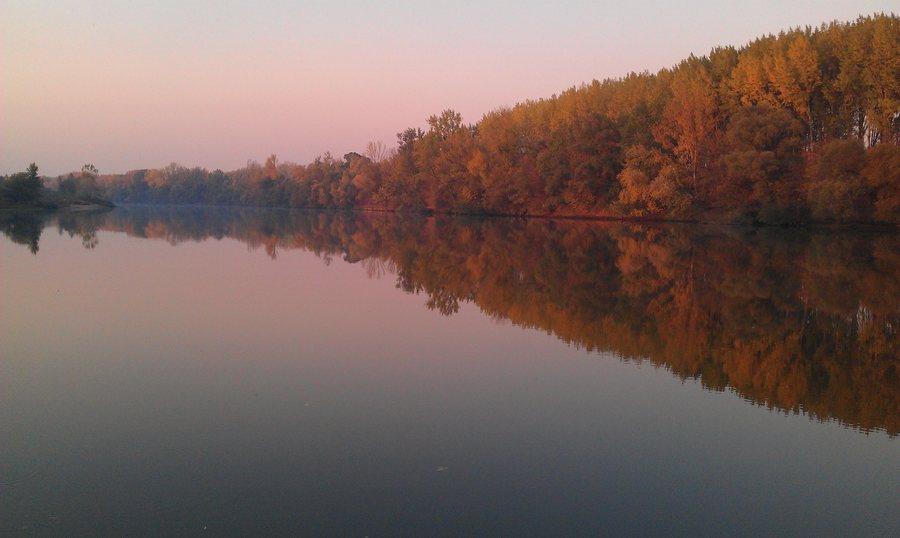
Vlčany is located in the Danube Lowland near the Váh and Little Danube rivers. In the village and its surrounding landscape, historical evidence combines with waterways, floodplains and regional traditions.
Nature
The traditional floodplain landscape around Vlčany comprises agriculturally used areas with trees and shrubs along watercourses and bodies of water, permanent grassland with meadows and pastures, arable land, gardens and a network of field paths.
Vlčianske mŕtve rameno is protected as a nature monument (PP, registration number 188). It falls under the jurisdiction of ŠOP–CHKO Dunajské luhy, is not part of a large-scale protected area and covers 8.23 ha. At the same time, it is one of the last relatively well-preserved oxbow lakes of the Váh and retains a comparatively well-preserved riparian vegetation belt with typical hydrophilic biocoenoses.
Bábske jazero is also protected as a nature monument (PP, registration number 5). The area covers 3.52 ha, of which 3.25 ha is water surface. It is one of the last relatively well-preserved oxbow lakes of the Váh and features open water as well as typical flora and fauna; the trees around the water surface serve as natural wind protection.
History
The first written mention of Vlčany, under the name Forcas, dates from 1113. On 20 June 1794, Vlčany was elevated to the status of a market town and granted the right to hold four annual fairs: on the Thursday after the Feast of the Trinity, on 18 August, 1 October and 4 November. The first fair in Vlčany in the early 19th century took place on the Feast of Saint Joseph.
Culture
The Reformed Church in Vlčany was completed in 1785 and consecrated on 27 November 1785. Its tower was rebuilt and heightened in 1888 and has stood at its present height of 32 metres ever since. The Roman Catholic Church in Vlčany was completed in 1808; above its entrance are the family coats of arms of the Károlyi and Waldstein families.
The First World War memorial in Vlčany was unveiled on 5 October 1930 and commemorates 198 fallen inhabitants of Vlčany. The Second World War memorial stands next to the First World War memorial on the main square of Vlčany.
The history of the river's use also includes the steam mill in Vlčany. It was built in 1920 to replace 12 water mills that, at the beginning of the 20th century, stood on pontoons in a meander of the Váh.
Traditions
At Folklórne slávnosti MO MS Vlčany 2026, the programme included a competition in cooking traditional dishes. At the same event, Serbian poppy-seed rétes was announced as a speciality, and the making of brooms from sorghum was also demonstrated.
Cycling
The 61 km-long Vážska cyklomagistrála Šaľa–Komárno passes above Vlčany. An elevation difference of 13/19 m is specified for the route; it belongs to the more demanding sporting routes.
Other places
Other options include Dlhá Nad Váhom, Močenok, Diakovce, Neded, Trnovec Nad Váhom, Žihárec, Kráľová Nad Váhom and Šaľa.
Check prices, availability and amenities for your travel dates directly on Booking.com.
View accommodation and offersAdvertisement · Affiliate link to Booking.comFor the higher-level travel overview: Šaľa.

.jpg)