
Holiday apartment in Riba de Mouro
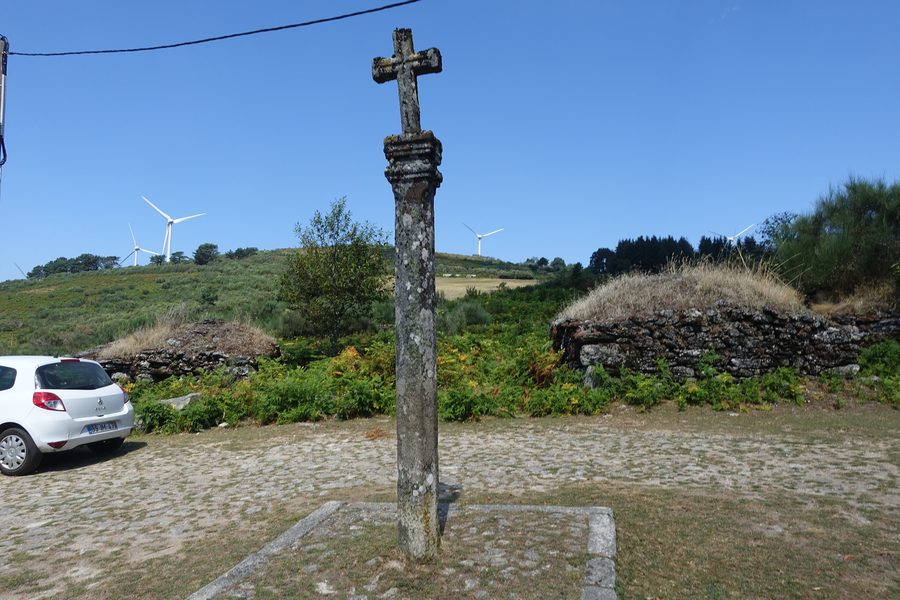 Val de Poldros in Riba de Mouro, Monção, Portugal.
Photo: Joseolgon via Wikimedia Commons, CC BY-SA 4.0
Val de Poldros in Riba de Mouro, Monção, Portugal.
Photo: Joseolgon via Wikimedia Commons, CC BY-SA 4.0
Riba de Mouro is not a dense center, but a small rural locality and parish in the municipality of Monção in the Portuguese district of Viana do Castelo. Its location on the slopes of the Peneda or Soajo mountains and its connection to the Mouro River give the place its distinct landscape character. Anyone looking for a holiday apartment in Riba de Mouro is therefore choosing above all a quiet setting with a rural character, and not accommodation in the middle of a larger town center.
Quick facts about Riba de Mouro
- Location: Riba de Mouro belongs to Monção in northern Portugal.
- Landscape: The locality lies in the area of the Peneda or Soajo mountains and is connected to the Mouro River.
- Character: Agricultural land and a long local history shape its classification.
- Orientation: The municipal town of Monção is stated in local descriptions as being about 20 km away. This figure is neither a road distance nor a driving time.
Between mountain scenery and river
The surroundings of Riba de Mouro are defined by the transition between settlement, agriculture, and mountain landscape. The place lies on the slopes of the Peneda or Soajo mountains and is related to the Mouro River. This is less a promise of a specific route or activity than a helpful impression of what a stay can feel like: you choose accommodation in a small rural landscape and plan individual excursions from there.
Agriculture and a long-established local history
According to local descriptions, the local landscape includes fields of maize and rye as well as vineyards. These references make Riba de Mouro more tangible as an established cultural landscape: the place is not only a geographic point for an overnight stay, but is characterized by agricultural use and a history that reaches back to medieval references. No specific historical buildings or visitable events can be inferred from this; the value lies in the atmosphere and classification of the place.
Which base suits your trip?
Riba de Mouro is suitable as a rural base in the Monção area for travelers who want to begin their stay in a smaller setting. In return, the accommodation is less central than a holiday apartment in the administrative center of Monção. This difference is more important for day-to-day planning than a general rating: if scenery and a less urban starting point are the priority, Riba de Mouro is a good choice. If you want to stay as centrally as possible within the municipality, you should also include Monção as a broader point of orientation.
For families who want to combine different day trip ideas, realistic planning is therefore advisable: check the actual routes to the destinations you want and choose accommodation based on whether you value the rural starting point more than a more central location. Features of individual holiday apartments such as amenities, parking, or special suitability for families cannot be inferred from the location alone and should be considered separately.
Culture in the wider Monção area
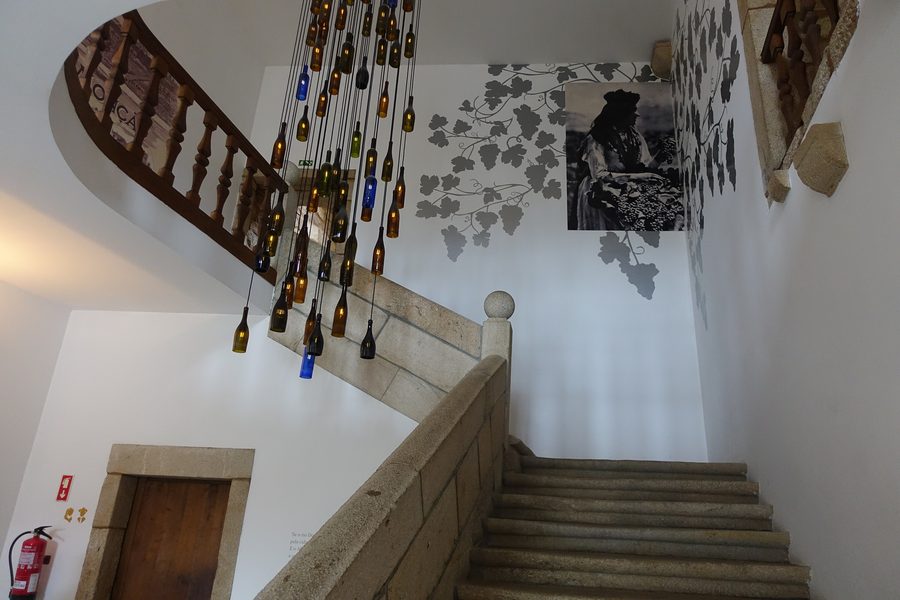
A combination of a rural stay and culture in the wider Monção area is also possible. In GeoNames, Casa Museu de Monção and Museu do Vinho Alvarinho are listed as museums in the wider area. The approximate distances of around 14.3 and 14.5 km respectively are straight-line distances from the underlying locality, not road distances. Opening hours, current accessibility, and the exact route should be checked separately before a visit.
Riba de Mouro as a holiday destination
A holiday apartment in Riba de Mouro is especially interesting if you are looking for a small rural locality with mountain and river connections as a starting point for the Monção area. The decision should be made consciously between scenic character and a more central orientation. This keeps the stay focused on the place’s real strength: an agricultural and historically shaped environment rather than a concentrated center.

.jpg)
.jpg)