
Holiday apartment in Madeira
Accommodation in Madeira
Madeira is an island for families who want to combine sea, mountains, forest, city life, and regional cuisine in the same holiday. In a small area, Atlantic coastlines, green mountain landscapes, natural pools, waterfalls, and the Laurissilva Forest alternate. Add to that Funchal, cultural traditions, and a distinctive cuisine. The key question is therefore less which area is generally the best, and more which location suits your preferred rhythm of nature, culture, water, and relaxation.
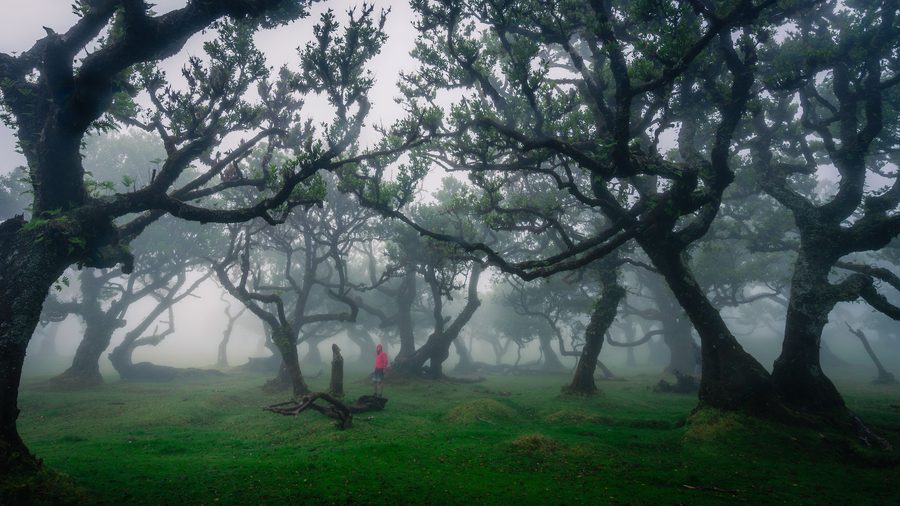 Der Laurissilva-Wald im Fanal gehört zu Madeiras prägendem Naturerbe.
Photo: Dhcmatias via Wikimedia Commons, CC BY-SA 4.0
Der Laurissilva-Wald im Fanal gehört zu Madeiras prägendem Naturerbe.
Photo: Dhcmatias via Wikimedia Commons, CC BY-SA 4.0
Quick facts about Madeira
- The Laurissilva Forest is a UNESCO World Heritage Site and a defining natural experience of the island.
- Madeira combines mountain and forest landscapes with towns, beaches, natural pools, streams, and waterfalls.
- The north is shaped by green, water-rich landscapes; the south combines coastline, mountain scenery, and urban life around Funchal.
- Different elevations and microclimates can change the weather depending on your starting point and day trip destination.
- The public transport system connects the municipalities, but visitors still need some planning.
Between forest, levada, and Atlantic
Madeira’s nature has many faces. The Laurissilva Forest is a UNESCO World Heritage Site and makes the island’s ancient natural heritage immediately tangible. The levadas are among the characteristic paths along which Madeira can be explored. Together with mountain scenery, streams, and waterfalls, they create excursion ideas that are clearly different from a pure coastal holiday.
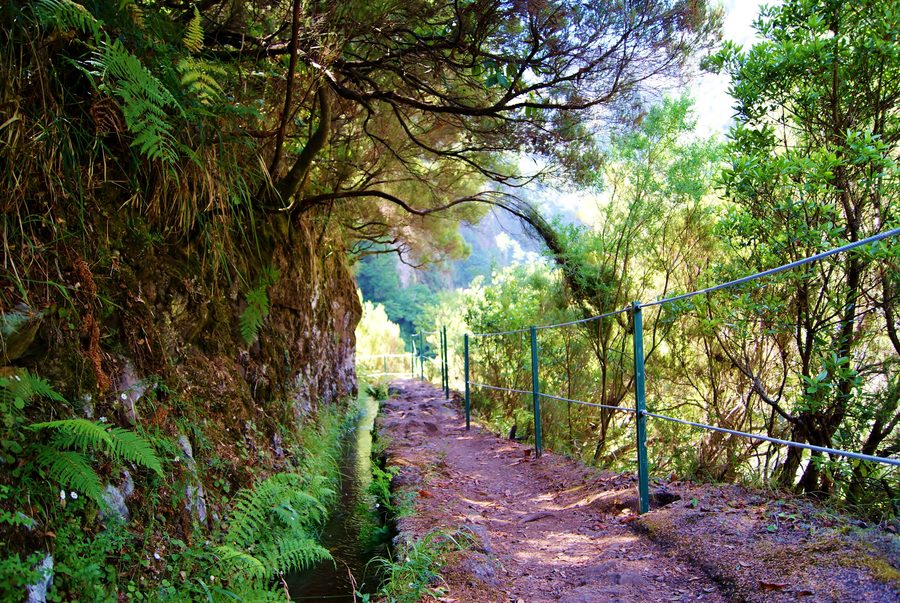
For families, this diversity is especially appealing because not every day has to look the same. A day in nature can be followed by a city or cultural experience, while quieter alternatives remain possible when conditions change. You should select individual levada routes based on current information; from the term levada alone, you cannot infer a specific difficulty level or suitability for a particular age.
Coast and natural pools: water experiences without a fixed ranking
The coastal areas also differ. On the north coast, green mountains, water-rich landscapes, forests, pebble beaches, natural pools, and waterfalls shape the picture. The south combines coastline and mountain scenery with a stronger urban feel around Funchal. The west is described as a particularly sunny coastal area with viewpoints and bathing spots. These characteristics are a guide for your trip planning, but not a ranking and not a guarantee of weather or swimming conditions.
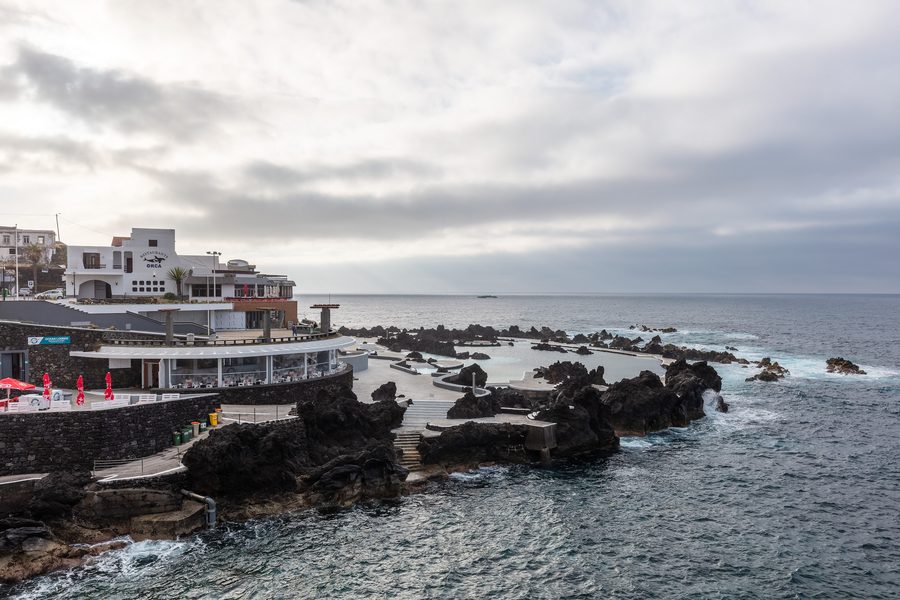
If water, coasts, and bathing places are to be at the center of your trip, choose your location according to the landscapes you want to feature most often in your itinerary. If, on the other hand, you want to include Funchal, city life, and cultural impressions more strongly, you can consider a more centrally located base. Which option fits better depends on the mix you want: Madeira offers several plausible travel profiles rather than a single correct solution.
Culture, markets, and cuisine as part of the island experience
Madeira is not only a destination for nature excursions. Cultural traditions, urban and heritage sites, and a distinctive cuisine complement the landscape experiences. Markets, traditional festivals, and Madeira wine are mentioned as additional cultural and culinary themes. You should always check specific dates or opening hours up to date, but the basic idea is what matters: even a day without a long nature excursion can be varied through local impressions, food, and a city visit.
A holiday apartment or holiday home can suit this flexible family rhythm if shared meals, changing daily plans, and a certain degree of self-catering are important. That is a question of the type of accommodation you want, not automatically a statement about the amenities of any individual property. Regional cuisine and markets remain independent travel experiences in their own right.
Which location suits your travel plan?
When choosing a base, Madeira should not be judged solely by distance on the map. The mountainous relief, the coastal outline, different elevations, and the planned sequence of nature, culture, and rest days all influence the daily schedule. A central or urban location may be attractive if Funchal and cultural impressions are meant to be part of the trip regularly. A coastal or nature-oriented location is more likely to be chosen according to which landscapes should take priority.
For families with children of varying stamina, a mix of active and quieter days can make sense. Levadas, forests, coasts, and waterfalls provide nature-based ideas, while city life, culture, cuisine, and markets enable other types of days. This does not lead to a blanket family recommendation for any particular region: what matters is whether the accommodation’s location supports your planned mix and how many changes of place you want to build into everyday life.
Mobility and daily organization on the island
The public transport system connects the municipalities on Madeira. Anyone wishing to travel without their own car can plan on public transport, but according to official information should allow a little more organization for it. A rental car is therefore not automatically essential; likewise, no specific transport connection can be assumed for every accommodation.
In practical terms, that means choosing between two organizational approaches: you can prepare a more planned trip using public transport, or choose a more individual form of mobility that fits your excursion plans. Check the location of your holiday apartment or holiday home in relation to your intended day trip destinations, the rest periods you want, and the family’s willingness to adapt the day’s schedule flexibly.
Plan flexibly for the weather
Madeira generally has a mild maritime climate, but landscapes and weather can vary depending on the coast and elevation. These microclimates are an important reason not to plan only one type of experience for your trip. Alongside nature and coastal days, include cultural, culinary, or quieter alternatives. That creates room for flexibility without presenting any particular travel time or region as guaranteed sunny or generally superior.
For accommodation choice, this means: a flexible daily schedule can be especially valuable when family members have different interests or when conditions at your destination turn out differently than expected. What a particular holiday property offers can be found in its individual listing details and is not automatically proven by its location on Madeira.
Other places for your Madeira selection
For your secondary location selection, you will find Ribeira Da Vaca and São Roque do Faial here. A broader starting point and further comparison options are offered by Madeira.
Frequently asked questions about Madeira
What makes Madeira special as a travel destination?
Madeira combines the UNESCO-listed Laurissilva Forest with green mountain and coastal landscapes, levadas, natural pools, waterfalls, Funchal, and distinctive culinary and cultural traditions.
What different travel experiences does Madeira offer?
Days in forests, along levadas, on the coast, and at waterfalls can be combined with city, cultural, market, and culinary impressions. In this way, a family holiday can combine active and quieter days.
Which area of Madeira suits which travel profile?
The north stands more strongly for green, water-rich landscapes, forests, natural pools, and waterfalls. The south combines coastline, mountain scenery, and urban life around Funchal. The west is described as a coastal area with viewpoints and bathing spots. These differences are for orientation, not ranking.
How important are location and mobility for a holiday apartment in Madeira?
The mountainous relief and the distribution of the landscape areas make daily planning relevant. Public transport connects the municipalities, but may require planning for visitors. The location of the accommodation should therefore match the desired form of mobility and the rhythm of your excursions.
Should you pay attention to weather differences when choosing travel dates?
Yes. The generally mild maritime climate and the different microclimates suggest planning for seasonal patterns as well as fallback ideas for different elevations and types of experience. A single best travel time cannot be guaranteed in general from this.


