
Małogoszcz: Renaissance Traces and Jewish Cemetery
Accommodation in Małogoszcz
Małogoszcz offers visitors interested in culture several distinct points of interest: an old town plan, traces of the Renaissance and a Jewish cemetery with gravestones from different periods. Together, these places and architectural features tell different parts of the story of the town’s appearance. Anyone interested in architecture or local history will find specific details here that are easy to distinguish from one another.
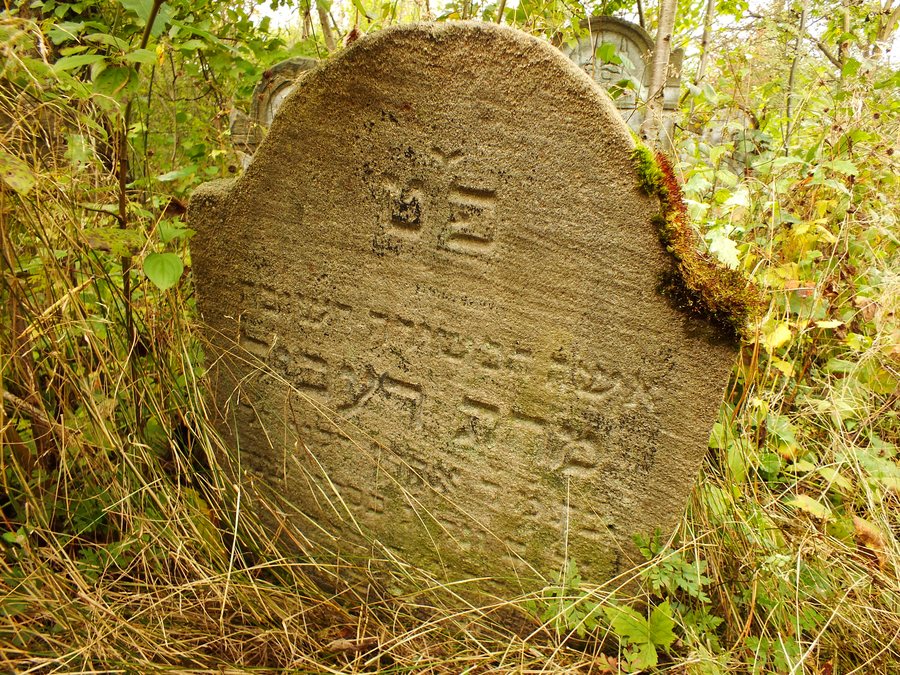 File:Jewish cemetery in Malogoszcz Maligoshtch cmentarz żydowski 2 poł XIX w Małogoszcz 13.JPG
Photo: Wojciech Domagała via Source, CC BY-SA 3.0 pl
File:Jewish cemetery in Malogoszcz Maligoshtch cmentarz żydowski 2 poł XIX w Małogoszcz 13.JPG
Photo: Wojciech Domagała via Source, CC BY-SA 3.0 pl
Town Layout and Renaissance Details
The old town plan of Małogoszcz includes a market square and streets at its corners. This brings the spatial layout of the town into focus, alongside individual buildings. The market square and streets are not interchangeable features: they form different parts of the historic town plan and offer a starting point for considering how Małogoszcz was laid out.
The Renaissance parish church in Małogoszcz dates from around the turn of the 16th and 17th centuries. A Renaissance window surround survives on the north façade of the former parish building beside the church; there is also a former chapel niche with a Baroque frame. A window surround is the framing along the sides of a window opening. A niche is a recess in a wall. These terms help distinguish between the two surviving details: the design around the window and the framed space of the former chapel. The Renaissance classification of the parish church and the Baroque framing of the niche also provide distinct architectural accents.
Historical Traces and Different Periods
The history of the former parish building beside the church extends beyond its architectural features. In February 1863, General Marian Langiewicz’s insurgent army used it as its headquarters for several days. This is a specific historical reference to a particular month and year; it describes a former use of the building, not its present function.
The cemetery church in Małogoszcz dates from 1595. About 70 gravestones from the late 19th century and the interwar period survive in the Jewish cemetery. They are made of limestone, Chęciny conglomerate and sandstone. The cemetery also preserves an original stone wall; the arrangement of the rows of graves is still discernible despite dense vegetation. The approximate number of gravestones, their materials and the visible layout describe different aspects of the site without needing to be confused with one another.
For a thematic comparison, consider the dates and materials: the year 1595 for the cemetery church, the period around the turn of the 16th and 17th centuries for the Renaissance parish church, and the later periods represented by the gravestones. The types of stone add a material distinction to this view of different periods. For families who want to explore cultural history together, these specific differences can prompt a conversation about architectural forms, time and stone.
Plan Your Trip Around Your Interests
If you are looking for a holiday apartment in Małogoszcz, your travel interests can help you choose where to stay: would you particularly like to explore the old town plan, architectural details, or the different historical and material traces? Małogoszcz is a suitable destination for travellers who want to engage with specific cultural and historical topics rather than simply gather general impressions.
Discover more destinations: Sędziszów, Sobków, Tarnawa, Jędrzejów, Nagłowice, Stare Kanice.
Return to the main travel overview: Jędrzejów.

