
Paczynka: Wayside Crosses and Wayside Chapels
Accommodation in Paczynka
Paczynka draws attention to cultural history that can be read in its distinctive architectural forms. Four structures stand on Wiejska Street: two wayside crosses and two wayside chapels. They date from different periods; the chapels are from the 18th and 19th centuries, while the crosses bear the dates 1896 and 1901. The tourist Szlak Okrężny Wokół Gliwic also passes through Paczynka. This gives you two distinct points of reference for planning your trip: historic architectural forms and a named tourist route.
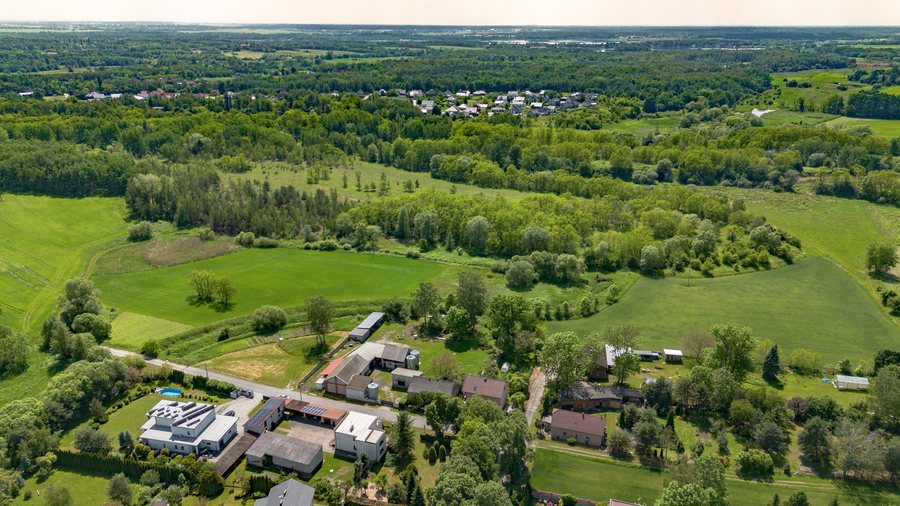 File:Pozostałość po równi stacyjnej budowanej stacji zaplecza technicznego Kolei Ruchu Regionalnego (KRR) w Pyskowicach (Paczynka).jpg
Photo: Piotr Borowiak via Source, CC BY 4.0
File:Pozostałość po równi stacyjnej budowanej stacji zaplecza technicznego Kolei Ruchu Regionalnego (KRR) w Pyskowicach (Paczynka).jpg
Photo: Piotr Borowiak via Source, CC BY 4.0
Two wayside crosses with their own details
A plastered, brick-built wayside cross dating from 1901 stands at 11 Wiejska Street. Another cross is located on the same street near the municipal boundary with Pyskowice. This stone wayside cross dates from 1896 and depicts Jesus; a niche contains a figure of the Virgin Mary. The cross was later polychromed, that is, decorated in multiple colours. The two crosses thus differ in their date and material; the stone cross also features the specified religious images and later colour decoration.
These specific differences make the comparison particularly vivid: a plastered, brick-built cross stands alongside a stone one, and their dates are five years apart. Visitors interested in religious imagery will also find two precisely identified details on the cross near the municipal boundary: the depiction of Jesus and the figure of Mary in the niche. The polychrome decoration adds a later layer of design.
Two wayside chapels from different centuries
A plastered, brick-built wayside chapel from the 18th century stands opposite number 2. The brick wayside chapel opposite number 6 dates from the 19th century. This means that in Paczynka you can also explore the architectural form of the chapel, not just that of the crosses. The two chapels differ in when they were built; the description explicitly mentions plaster on the older one and brick construction on the newer one.
For travellers who enjoy looking out for architectural forms and dates, this offers a straightforward comparison in cultural history. The descriptions help distinguish crosses from chapels as different types of structure; the dates range from the 18th century to 1896 and 1901. Families who enjoy discovering details together while travelling could compare, for example, which architectural form is older or which images are mentioned on the stone cross. There is no need for a long list of attractions: the differences between the four structures provide specific conversation starters.
Route and choice of destination
The tourist Szlak Okrężny Wokół Gliwic passes through Paczynka. This offers a separate point of reference for planning your trip, alongside the wayside crosses and wayside chapels. If you like to choose a destination based on a named tourist route, you can take its course into account. If you plan to include the route in your trip, check for current information about its course in advance.
When looking for a holiday apartment, it may help to consider what kind of holiday you want: would you like to choose a place where distinctive historic structures and a named tourist route are among the points of interest? Paczynka offers a clearly defined cultural perspective. You can then choose the holiday apartment that suits your stay according to your personal requirements.
Discover more destinations: Przyszowice, Bojszów, Rudziniec, Gliwice, Paniówki, Niewiesze, Knurów, Pyskowice.
Return to the main travel overview: Gliwice.

_w_Pyskowicach_(Paczynka).jpg)