
Discover Bytom: narrow-gauge railway, culture and nature
Accommodation in Bytom
Bytom can be explored in many different ways: aboard a historic narrow-gauge railway, through its medieval history, the collections at the Muzeum Górnośląskie and the Segiet nature reserve. This mix gives families a range of themes to consider when planning their trip. Think about whether you are most interested in railway history, culture or nature – and which of these discoveries you would like to make the focus of your stay.
Travel aboard the narrow-gauge railway
The narrow-gauge railway operating from Bytom has been in continuous operation since 1853 and is considered the oldest operating narrow-gauge railway in the world. Its long history of operation alone makes it a special attraction for anyone interested in railways and engineering heritage. Trains operated by Górnośląskie Koleje Wąskotorowe stop at ten stations along this route, including the historic Bytom Karb Wąskotorowy station. You can make the route’s ten stops and the railway’s history a reason for your trip in their own right.
Church and traces of the city’s history
The Gothic Church of the Assumption of the Blessed Virgin Mary stands on Rynek. It is considered Bytom’s oldest building and dates back to the first half of the 13th century, offering a glimpse into the city’s early architectural history. The surviving remains of the former fortifications tell a story from a later period in the city’s development: in the final years of the 13th century, walls made of broken dolomite surrounded Bytom, and the complex included several shell towers. The fortifications were dismantled in the early 19th century. Small fragments can still be found behind houses on Katowicka and Korfantego streets.
The Muzeum Górnośląskie
The Muzeum Górnośląskie showcases archaeological, ethnographic and natural history exhibits, historical documents and important works of art. The museum’s specialist departments focus on archaeology, ethnography, history, nature and art. You can tailor your visit to your interests – for example, focusing on history, or on nature and art.
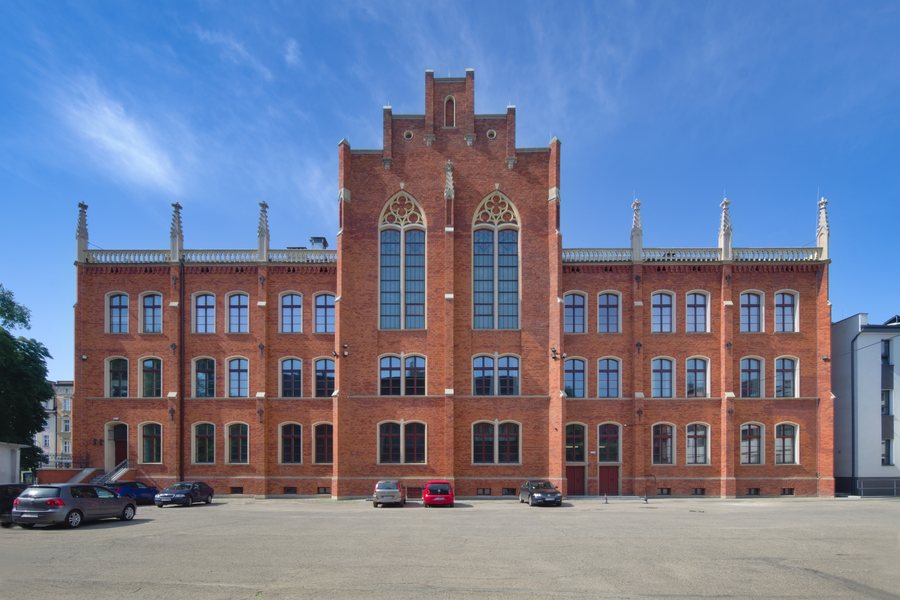
The museum currently occupies two buildings in Bytom. The two-winged main building was constructed between 1929 and 1930. Another building, with an annex, formerly housed the district governor’s office for the Bytom district. For visitors, it is also useful to know that the Muzeum Górnośląskie building at Plac Jana III Sobieskiego 2 is wheelchair accessible and has a lift.
Discover opera and nature
The Opera Śląska has a distinctive architectural character. A guided tour of the opera house covers both the history of the building and the history of the opera’s work. This offers a different way to explore Bytom’s culture from the museum collections and historic buildings.
If you would rather focus on nature, consider visiting the Segiet nature reserve. It lies on the border between Bytom and Tarnowskie Góry. Segiet and Srebrna Góra are listed as part of the UNESCO World Heritage Site “Tarnowskie Góry Lead-Silver-Zinc Mine and its Underground Water Management System.” The nature reserve and Srebrna Góra are therefore also part of a wider World Heritage context.
The “Bytom na 6” project describes six popular routes in Bytom, including a cycling route. If you choose Bytom for a holiday, you can take these different themes into account when choosing a holiday apartment: Would you like to explore the city’s history and culture, discover the narrow-gauge railway, or include nature and a cycling route in your plans? This lets you tailor your stay to your group’s interests without making any one theme the focus of the entire trip.
For the main travel overview: Bytom.

