
Zamostne: Village History, Landscape and Kayaking
Accommodation in Zamostne
Discover Zamostne through three distinct impressions: historic village buildings along Wejherowska Street, open countryside with views towards Kniewo, and an adventurous stretch of the Reda for kayaking. The character of the place ranges from traces of former everyday uses to an active experience on the water. When choosing a holiday apartment, consider what you would like to focus on: would you like to take in village and landscape scenes, or make the paddling trip the highlight of your stay?
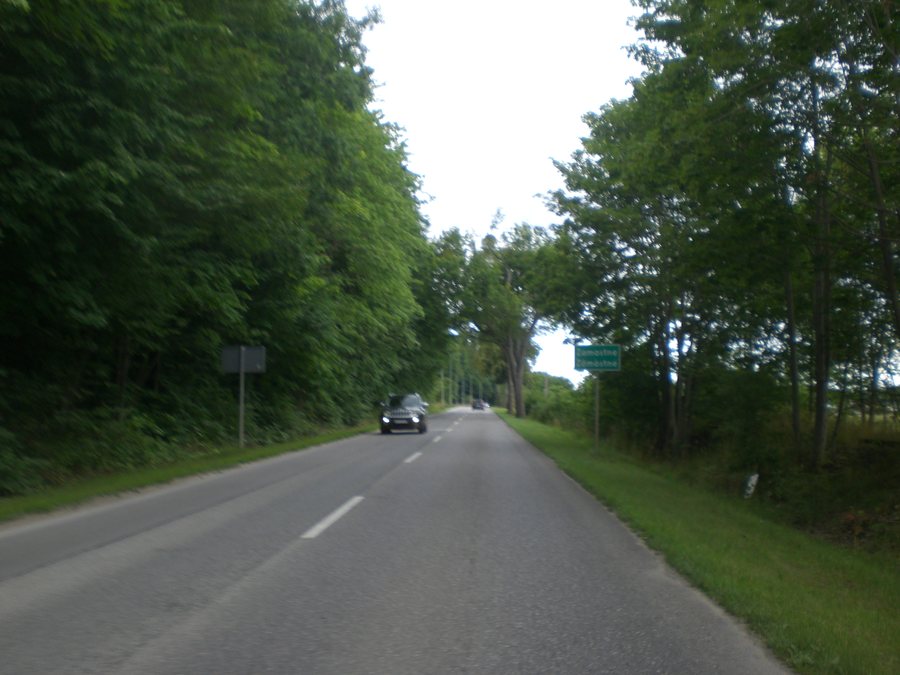
Village History along Wejherowska Street
An Evangelical cemetery and a manor house that forms part of a manor estate complex are located along Wejherowska Street. There used to be a butcher’s shop at number 34; the building is now a home. The former post office building on plot 129 is also now a home. On plot 128, a dairy and a chimney add further points of interest. Together, these buildings represent different aspects of village life: the cemetery and manor estate complex, as well as former everyday services. The change is especially tangible in the cases of the butcher’s shop and post office, since both buildings now serve as homes. The history of Zamostne can therefore be seen not only in individual landmarks, but also in the changing uses of its buildings.
Landscape and Landforms
Zamostne has two archaeological hillforts, each with its own landform. From Wejherowska Street, the view opens onto the surrounding countryside and the village of Kniewo. A lime-tree avenue also runs between Zamostne and Kniewo. These distinct landscape impressions sit side by side: the expansive view from the street, the distinctive landforms of the hillforts, and a tree-lined route connecting the two villages. Alongside the historic buildings, they give the description of the area a landscape dimension shaped by its terrain, views and avenue of trees.
Kayaking on the Reda: an Easy Start, a Challenging Route
The 22-kilometre kayaking route runs from Zamostne to Reda and is considered moderately difficult and strenuous overall. At the same time, paddling from the starting point in Zamostne is easy and pleasant. These assessments apply to different parts of the outing: the paddling at the start and the route as a whole. Narrow and wider sections alternate along the riverbed. Obstacles such as weirs, bridges and footbridges mean that you will need to carry your kayak; portaging is therefore part of the route. Conditions on the river can change, so check them before setting out. When planning your holiday, the contrast between the easy start and the challenging route as a whole is a useful point to consider when deciding whether a longer, more athletic paddling trip suits your stay.
Culture in the Wider Destination of Neustadt
The cultural offering in the wider destination of Neustadt also includes Wejherowo. The Muzeum Piśmiennictwa i Muzyki Kaszubsko-Pomorskiej was founded in 1968. It is a treasure trove of regional artefacts and a centre of Kashubian culture, particularly the Kashubian language. The Książnica prof. Gerarda Labudy presents a permanent exhibition on Kashubian history. These venues have different focuses: regional objects and language at one, and the history of the Kashubians at the other.
Another historic landmark in Wejherowo is Kalwaria Wejherowska. It was the fourth calvary complex to be established during the Polish–Lithuanian Commonwealth. After Bishop Mikołaj Albert Gniewosz of Aleksandrów approved its construction on 9 June 1649, work began on building its chapels. Models of the town and Kalwaria are displayed in the historic town hall. Thus, alongside the village and landscape attractions of Zamostne, the wider destination of Neustadt offers themes relating to regional culture, town history and religious heritage.
Discover More Destinations
Discover more destinations: Salino, Osetnik, Bolszewo, Reda, Sychowo, Donimierz, Kłosówko, Ciekocinko.
Back to the main travel guide: Neustadt.

