
Starnice: Manor House, Estate History and Cemetery Traces
Accommodation in Starnice
Starnice brings together architectural history, the estate’s past and traces of remembrance. The late Baroque manor house, the history of the von Gottberg family’s ownership, burial sites and a landscaped park each offer a different perspective. If local history is also part of your holiday planning, the village offers several specific themes to help guide your choice of holiday apartment.
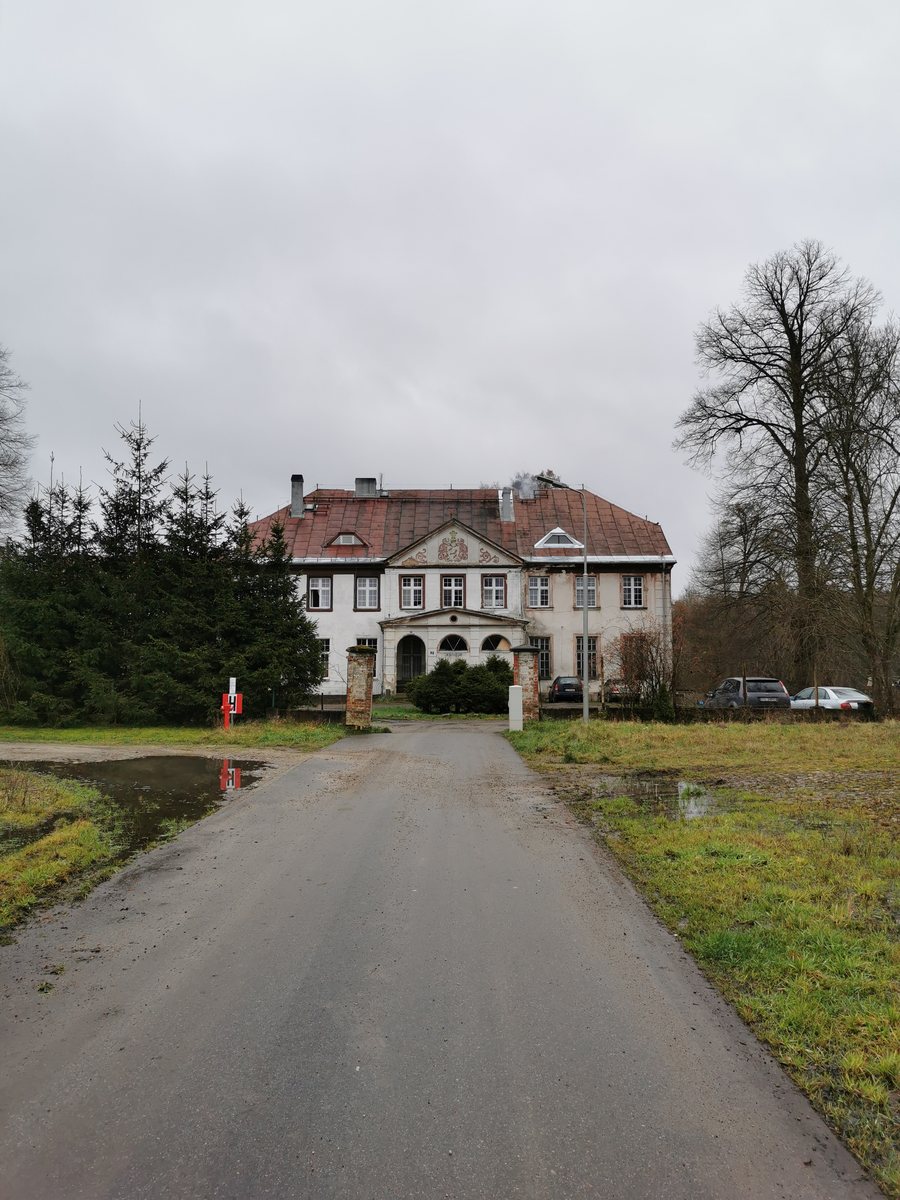
Manor House and Estate History
The manor house in Starnice was built by the von Gottberg family in the late 18th century. The Starnice estate was owned by the family from 1753 to 1945; the house was built during this longer period of ownership. An estate refers to a larger property holding than the manor house alone: in the early 1940s, the estate also included a mill and a distillery. These two features shift the focus from the architecture of the residence to other aspects of the estate’s history.
The house is late Baroque, two storeys high and nine bays wide. The two storeys describe its height; nine bays refer to the vertical divisions of the façade. Together with the stylistic designation, these features offer different perspectives on the building: its period, height and façade rhythm. Those interested in architecture can thus connect a specific building form with its historical context.
Cemetery Traces and Places of Remembrance
The original spruce plantings along the boundary have been preserved at the village cemetery in Starnice. Surviving fragments of tomb monuments point to burials from the late 19th and early 20th centuries; an iron cross marks a grave there from 1894. The cross precisely dates a single grave, while the fragments point to a broader period.
A map from 1935 links a second burial site northeast of Starnice with a chapel. The historical evidence therefore differs: at the village cemetery, the preserved plantings and grave markers are prominent, while at the northeastern burial site, the cartographic link with the chapel is the focus.
Landscape and Finding a Holiday Apartment
Starnice also has a historic landscaped park; its layout and features have been destroyed. Compared with the manor house, this highlights two different aspects: the house’s late Baroque form and the history of a designed open space whose layout and features have been destroyed.
If architectural history and local heritage matter to your trip, you can include Starnice specifically in your search for a holiday apartment. For families, this focus can be translated into specific questions: What does a nine-bay façade mean? How does a dated grave marker differ from a historical link shown on a map? Which features belonged to the estate? This can help you weigh whether architecture, places of remembrance or estate history should especially shape your trip together when choosing a holiday destination.
Discover more destinations: Słupsk, Płocko, Retowo, Adlig Kublitz, Osowa, Debnica Kaszubska, Objazda, Stara Dabrowa K Slupska.
Return to the main travel overview: Stolp.

