
Kosakowo: Kashubian culture, remembrance and winter
Accommodation in Kosakowo
Kosakowo reveals different sides of a place: Kashubian architecture and cultural activities sit alongside places of remembrance and a winter focus on sledging. Fragments of the pre-war altars have been preserved in the Church of Saint Anthony of Padua; the Stations of the Cross depict the Passion of Christ in a striking visual language. At the same time, sledging competitions take place in winter on an artificially raised hill in the centre. Depending on what you want to discover on a trip, culture, remembrance or the winter activities may shape your impression of Kosakowo.
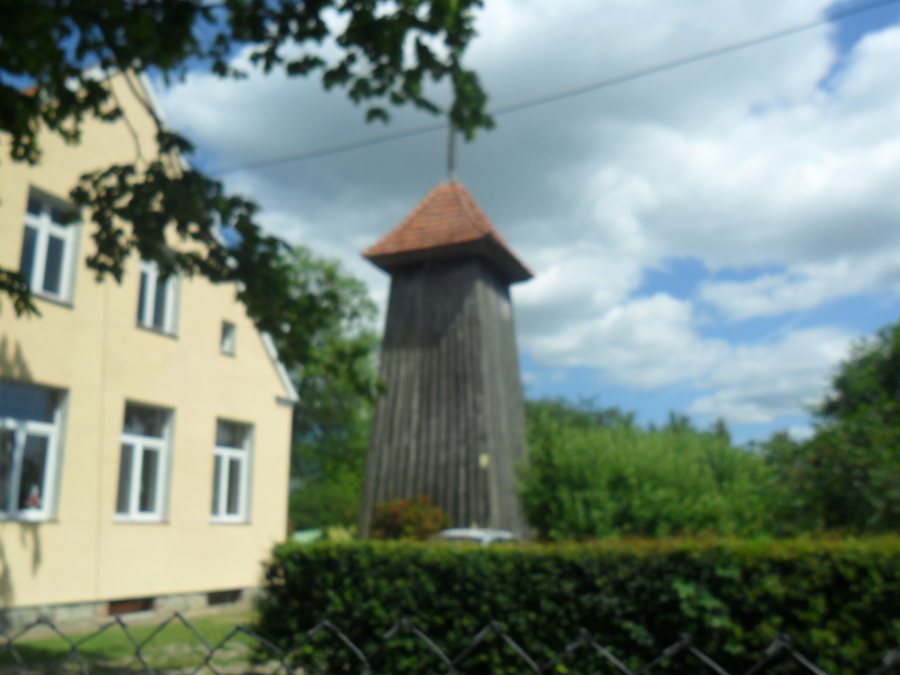
Culture and remembrance in Kosakowo
At the parish cemetery is Kwatera Żołnierzy Września 1939, a memorial to those who died for Poland’s freedom. A total of 120 Polish soldiers are buried there, including 40 unknown soldiers. They were among the defenders of Kępa Oksywska. The site links a specific act of remembrance with the history of these soldiers; the numbers and the reference to the unidentified fallen are integral to its character. As you explore Kosakowo, you encounter a solemn, quiet subject here, one that offers a different focus from the town’s cultural and winter aspects.
Another cultural point of reference is the Checz Nordowych Kaszebów. The building opened in 2012, and its architecture draws on historic Kashubian buildings. It is also home to the local branch of the Zrzeszenie Kaszubsko-Pomorskie, which organizes cultural activities. Architectural design and local cultural life thus come together under one roof. For travellers interested in Kashubian heritage, this is one specific facet of Kosakowo. The Checz is one of the village’s notable sights.
The religious and historical perspective differs from this cultural focus. Fragments of the pre-war altars have been preserved in the Church of Saint Anthony of Padua. The Stations of the Cross in Kosakowo were created in 1965–1966 and depict the Passion of Christ against a backdrop of camp landscapes, gallows, scenes from death marches and prisoners. This portrayal combines religious imagery with grave subject matter. If you are interested in art and remembrance, you will find different forms of commemoration here: the Stations of the Cross and their sequence of images, and the memorial at the parish cemetery, where the soldiers are buried.
The village’s architectural character also includes Kosakowo’s surviving rural settlement area, which is protected as a historic monument. This adds a connection to the settlement’s overall appearance alongside its individual cultural and memorial sites. Taken together, these aspects show that Kosakowo need not be defined by a single theme: architecture, cultural activities, religious art and remembrance offer different ways to explore it. As you plan your trip, you can consider which of these aspects interests you most, rather than combining them all into a single reason for visiting.
Sledging as a winter focus
During the colder months, another side of Kosakowo comes to the fore. Sledging competitions take place in winter on an artificially raised hill in the centre. The sledging run is next to a cycle path and was a winter attraction for locals and visitors. This describes a local connection with sledging, not a general winter-sports region. When choosing when to travel, the main consideration is whether the winter competitions fit your plans. Culture and remembrance offer a different focus from these seasonal activities.
Discover other places
If you would like to visit other town pages, you will also find Rekowo Górne, Gnieżdżewo, Minkowice, Mechelinki, Jurata, Rzucewo, Mosty and Czarny Młyn.
For the broader travel overview: Puck.

