
Wielki Klincz: Moorland and Local History
Accommodation in Wielki Klincz
Wielki Klincz combines a place steeped in history with a protected natural area southeast of the densely built-up part of the village. If you are looking for a holiday apartment, you can first consider whether nature, cultural history or a cycling trip will shape your stay. The different themes give you a concrete basis for choosing the location without limiting it to a single excursion destination.
Moor and ponds in the protected area
The Natura 2000 site Wielki Klincz (PLH220083) has been protected as a special area of conservation since March 2021. It lies southeast of the densely built-up part of the village. Its documented habitats include a transition mire, dystrophic ponds, a degraded bog woodland and birch stands. Several characteristic features of a wetland are therefore found side by side: mire, ponds, woodland and birches. These terms refer to different elements of the protected area and give nature enthusiasts a concrete reason to explore its landscape.
A protected species is also associated with the site: Rhynchocypris percnurus is listed there as a protected species. Together with the habitats mentioned, this gives the area a focus on nature that differs from the historical themes in the village. If nature watching and the distinctive character of moorland are important to you, this focus may influence your decision to visit Wielki Klincz. The protected area’s location southeast of the densely built-up part of the village is a useful point of reference as you explore the area.
Manor-house history and archaeological evidence
Wielki Klincz is described as a former manor and noble village dating from the turn of the 14th and 15th centuries, laid out under Polish law. A former manor complex from the third quarter of the 19th century is also part of the village’s history. A park is located within a former manor complex dating from the second half of the 19th century. These historical connections also make Wielki Klincz interesting for visitors who, alongside nature, want to look for traces of the village’s earlier history and manor heritage.
Archaeological features include a flat archaeological burial ground and the listed monument Wielki Klincz 3. The monument and its surrounding upland area are protected from development. This distinguishes the archaeological site from the village’s architectural heritage and religious sites: the focus here is on a protected area and a registered burial ground. Visitors interested in archaeological history will find another distinct aspect alongside the history of the settlement passed down through the ages.
Church, chapel and parish history
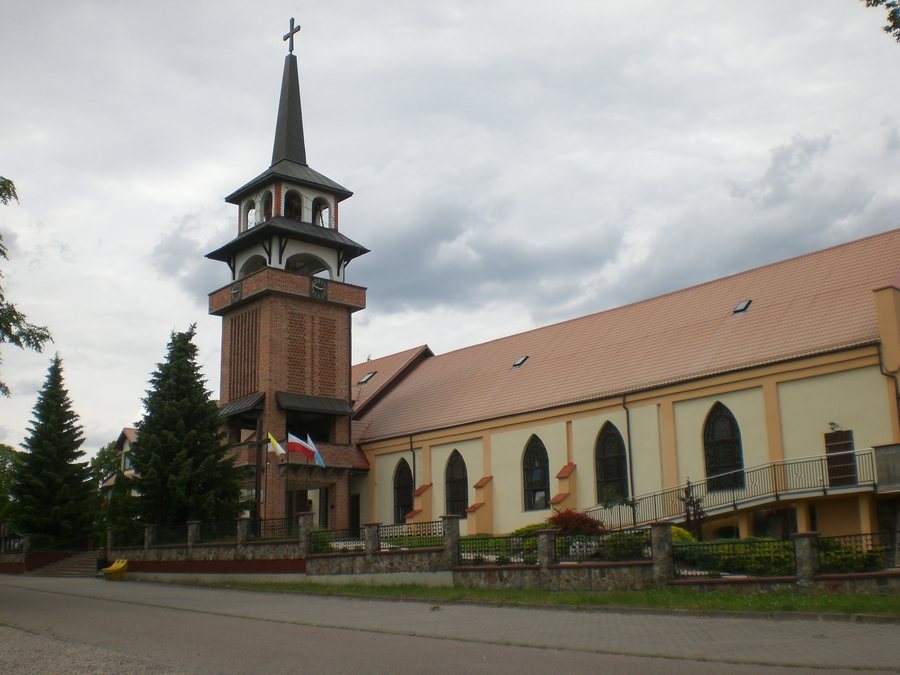
The parish church in Wielki Klincz is dedicated to the Holy Family and dates from 1937. A wayside chapel was also built in 1937. There is also a Protestant cemetery dating from 1783, which is no longer in use. These three places represent different forms of religious history: a parish church, a wayside chapel and a historic cemetery that is explicitly no longer in use. These themes can provide a cultural focus for your trip, alongside the natural area and archaeological evidence.
The Parish of the Holy Family was established in 1970 and is served by priests of the Missionaries of the Holy Family. The novitiate of the Polish province of these missionaries was moved to Wielki Klincz in 2000.
A cycling connection as another aspect of your trip
For visitors interested in cycling, the completed cycling connection between Kościerzyna and Wielki Klincz is relevant. It is more than 4.4 kilometres long. This adds a concrete link between the two places to your nature and cultural interests. You can take the route length into account when deciding whether this aspect fits your travel plans. When choosing your holiday apartment, you can weigh up the themes that matter most to you: the protected area and moorland, local and church history, archaeological evidence or the cycling connection.
Discover more places
If you would like to include more local pages in your travel planning, you can also find Stary Bukowiec, Olpuch, Schodno, Stara Kiszewa, Kościerzyna, Nowy Barkoczyn, Grabówko and Lipusz here.
For the broader travel overview: Berent.

