
Chwaszczyno: Church, Chapel and Pilgrimage
Accommodation in Chwaszczyno
Chwaszczyno brings together architectural history, religious tradition and local remembrance. The Church of Saints Simon and Jude Thaddeus, a roadside chapel near Lisie Błota and a monument donated by residents offer different ways to explore the history of the place. For travellers interested in cultural history, the focus is therefore on architectural forms, an annual pilgrimage and a specific dedication.
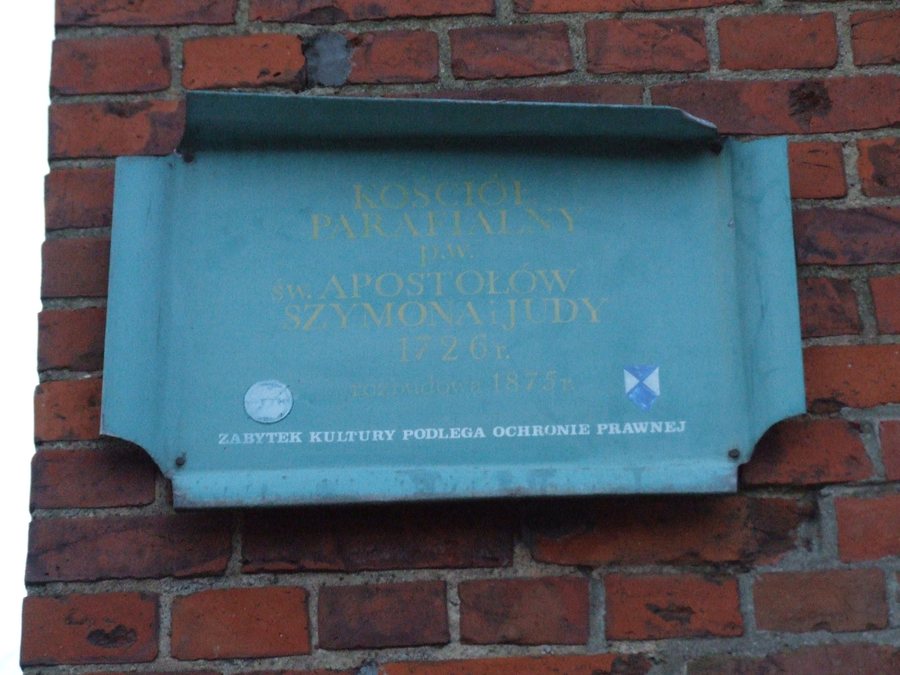 File:Chwaszczyno - Kościół parafialny pw. św. Apostołów Szymona i Judy - 011.JPG
Photo: Joymaster via Source, Public domain
The Church and Its Early History
The Church of Saints Simon and Jude Thaddeus and its cemetery are first mentioned in the 13th century. A wooden predecessor church was built in 1283 by Cistercians from Oliwa. It is worth distinguishing the dates: the first mention refers to the church and cemetery, while the specific construction year applies to the wooden predecessor. Both dates fall within the 13th century, but refer to different aspects of the history.
With the exception of the western section, added in 1875, the church is a small, single-nave building with an exterior plaster finish. “Single-nave” describes a church with one main nave. The building’s form and its later western section draw attention to two different aspects: its basic layout and a specifically dated addition. Its architectural history can thus be considered both through the early predecessor building and the later extension.
Roadside Chapel and Pilgrimage
The roadside chapel on ul. Dobrzewińska in Chwaszczyno, near Lisie Błota, has stood for more than 100 years. It was built in 1908 on the initiative of its benefactor, Jan Lidzbarski. The year provides a specific historical reference point for the chapel, but its history is also connected with a local custom that recurs every year.
Every year, residents of the surrounding area gather at the chapel, decorate it and prepare it for the pilgrimage from Żukowo to Wejherowo for the indulgence festival on the Feast of the Ascension. They welcome the pilgrims on their way there and bid them farewell on their return. The tradition encompasses more than the festive occasion: preparing the chapel also includes decorating it, and the pilgrims are welcomed and farewelled on both legs of their journey.
The church and roadside chapel offer different cultural and historical perspectives. The church brings its architectural form, predecessor building and extension to the fore; at the chapel, the focus is on the annual cycle of activities surrounding the pilgrimage. Those interested in religious tradition will find not only the history of a building here, but also a practice that is prepared anew every year.
Local Remembrance and Travel Interests
A monument donated by the residents of Chwaszczyno commemorates the “Polaków z Gromady Chwaszczyno”. Its dedication adds local remembrance to the themes of architectural history and pilgrimage. A cultural and historical perspective on Chwaszczyno thus encompasses religious sites and traditions, as well as the memory of the explicitly named group.
If you are looking for a holiday apartment in Chwaszczyno, these themes can help shape the focus of your stay: architectural history, an annual religious practice or local remembrance. This lets you tailor your trip to the cultural and historical interests that appeal to you most.
For the broader travel overview: Miszewko.

