
Discover Kaletnik
Accommodation in Kaletnik
Kaletnik combines a striking connection to water in the center with natural features in the surrounding area. Historical and church-related connections add further points of interest. When looking for a holiday apartment, you can start with a simple question: Should the town center, the landscape, or Kaletnik’s history play the greater role in your stay? These different priorities can help you clarify what you want from the destination before choosing a location.
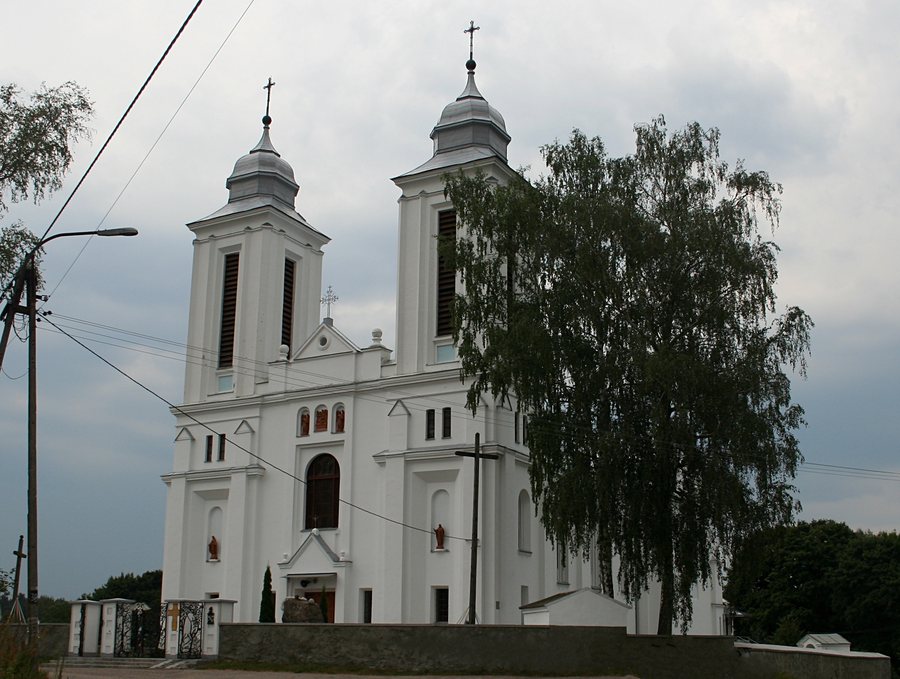 File:Kaletnik kościół św. Ducha 03.08.12 pl.jpg
Photo: pleple2000 via Wikimedia Commons, CC BY-SA 3.0
File:Kaletnik kościół św. Ducha 03.08.12 pl.jpg
Photo: pleple2000 via Wikimedia Commons, CC BY-SA 3.0
Kaletnik between the town center and nature
There is a fairly large body of water in the center of Kaletnik. Nearby, there are forests, a small river, and a viewpoint recommended for photography enthusiasts. This brings two different scales together: the body of water as a reference point in the town center, and the landscape beyond it. The viewpoint offers a specific attraction for those interested in photography, while the river and forests add further natural features to the picture.
A railway line outside the village
The railway line from Suwałki to Šeštokai in Lithuania offers another point of reference. It runs just outside Kaletnik. Unlike the body of water in the center, it forms part of the village’s outer surroundings and places Kaletnik in a broader geographical context. This makes it possible to distinguish between a central landmark and a regional route beyond the edge of the village.
History in the village and its surroundings
The front lines of both world wars passed through Kaletnik. Dugouts and trenches can be found in the surrounding forests. These historical connections span different geographical areas: the course of the front lines relates to Kaletnik itself, while the remains mentioned are in the surrounding area. For travelers interested in history, this creates a connection to the area that is not limited to the center; the landscape around Kaletnik is also part of this historical story.
Church and cemetery
The history of the church offers a different perspective. King Stanisław August founded a parish in Kaletnik, and Strzyżewski’s small church was moved there. The main altar of the church in Kaletnik is Baroque. Kaletnik thus brings together the history of the parish’s founding and the church’s relocation with a specific architectural feature.
The cemetery in Kaletnik also offers its own historical connection. It contains old tomb monuments and a cemetery chapel dating from the early 20th century. These add a cemetery-related aspect to the history of the church, foregrounding different details from the founding of the parish and the main altar. The church and cemetery therefore form distinct cultural and historical points of interest within the village.
Choose a location to suit your interests
When choosing a location, you can consider two separate questions: whether you prefer the town center or the nearby surroundings, and whether nature or history is your main interest. The central body of water represents the first point of reference; the forest, river, church, cemetery, and historical traces bring the second distinction into focus. This lets you choose according to the interests you want to shape your stay.
Discover more destinations: Postawele, Orłowo, Burniszki, Wiżajny, Stary Folwark, Jeleniewo, Okuniowiec, Jalowo.
For the broader travel overview: Suwalski.

