
Jemielnica: Cistercian History and Silesian Kołacz
Accommodation in Jemielnica
Silesian kołacz is also among Jemielnica’s culinary highlights; ask the PAWEŁ bakery about its current selection before visiting. The village is a stop on the Cistercian Route. This travel idea leads from a route known beyond the region to the buildings and stories that shape Jemielnica.
The Cistercian Route and Monastery History
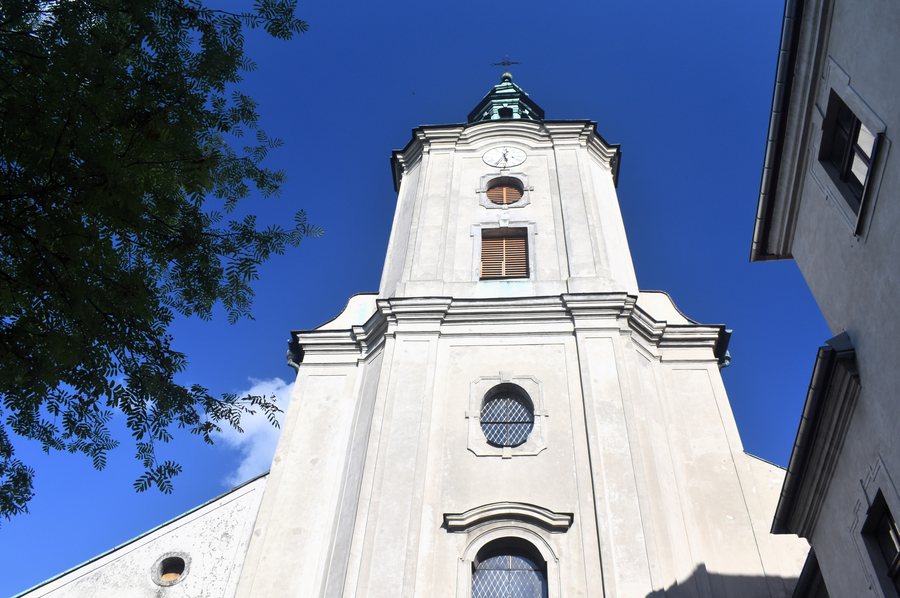
The Cistercian monastery complex in Jemielnica lies on the Cistercian Route; its history dates back to the 13th century. Anyone interested in the village’s development will find a specific historical focus here. The connection between the route and the monastery gives your stay a clear cultural dimension, without reducing the various sights to a single building.
Architecture and Traces of Monastery History
The former monastery church has a 42-metre-long nave with a continuous rib vault. In this type of vault, the ribs form a cross pattern. The long church nave ceiling, uniformly covered by the vault, is therefore a distinctive architectural feature of the building.
Inside the complex’s original church are a two-tier main altar dating from 1734 and twelve Baroque side altars. The main altar and the side altars create different focal points within the church’s furnishings: the former serves as the central feature, while the twelve others add further Baroque works to the space.
The All Saints’ Cemetery Church in Jemielnica offers another example of sacred art. Fragments of polychrome decoration from the 15th century survive in the choir. Comparing them with the furnishings of the original monastery church offers two different ways to explore local church history: here, the dated fragments of wall paintings; there, the altars and architecture of the monastery complex.
Smaller historical details also contribute to the picture of the complex. Beside the former prelature building stands a round tower that once housed an isolation cell for monks. In the centre of the space known as the “viridarium” stood a fountain dating from the 16th century. The tower and fountain tell of different aspects of monastery history: a former use of the building and the design of the square.
Tourist Information, Exhibition and Kołacz
The Tourist Information Centre is located in the former brewery of the monastery complex; visitors can tour the building. Before your visit, check whether the Tourist Information Centre is currently open. The former granary currently houses the exhibition “From Sowing the Seed to Bread on the Table” about Jemielnica and its history. If you plan to visit the exhibition, check in advance whether it is still on display.
The PAWEŁ bakery in Jemielnica offers a culinary treat in the form of Silesian kołacz, with a choice of poppy seed or cheese filling. The two fillings give you a specific choice if you would like to include the pastry in your travel plans. As the selection may change, ask about your preferred option before visiting.
Find a Holiday Apartment in Jemielnica to Suit Your Plans
If Cistercian history and cultural sights are your main focus, you can start your search for a holiday apartment in Jemielnica with these priorities in mind. Choose a specific property to match your own plans for each day, and check its location and availability directly.
Discover more destinations: Grodzisko, Strzelce Opolskie Municipality, Stubendorf, Kroschnitz, Sucha, Zawadzkie, Ujest, Sankt Annaberg.
Back to the main travel overview: Strzelecki.

