
Kępiaste: Landscape, Wet Soils and Traces of Wooden Buildings
Accommodation in Kępiaste
Kępiaste can be explored through several facets: Kępiaste and Łubiec lie within the landscape protection area of Kampinoski National Park; in northern Kępiaste, there are unforested areas used for agriculture with wet soils; and remains of wooden buildings have been preserved in the village. The landscape, soil and traces of buildings offer different starting points for planning a trip. When choosing a holiday apartment, you can weigh up whether you are most interested in the landscape, the features of the northern area or the village’s history. For family planning, this can become a specific question: Which of these aspects should determine your choice of where to stay?
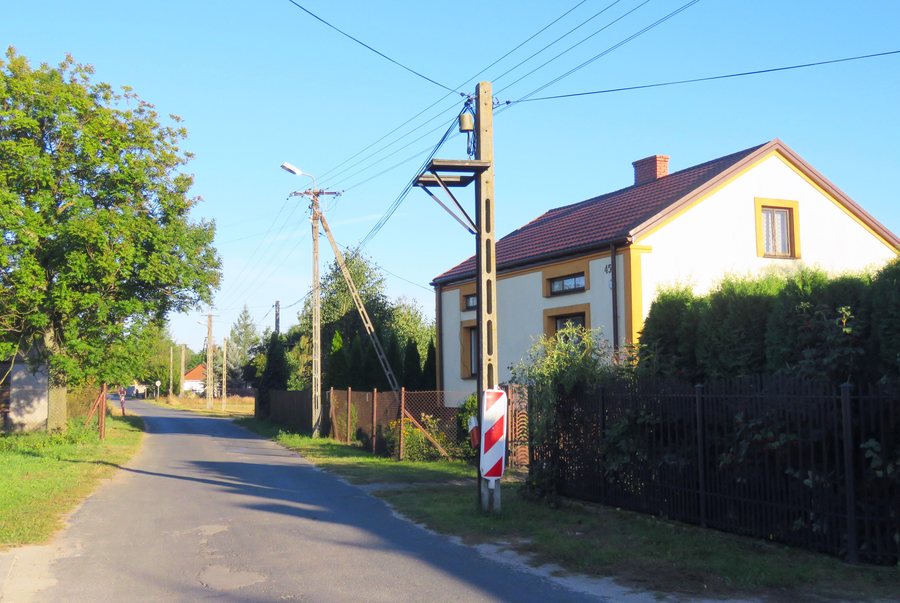
Landscape and Soil
In northern Kępiaste, there are unforested areas with agricultural soils of organic origin and high moisture content. Such soils are referred to as wet soils. This description therefore includes three distinct features: the unforested setting, agricultural use and high moisture content combined with organic origin. This makes the landscape more specific than a general reference to nature or a rural setting. If you are planning a trip with children, these details can help focus the family discussion on whether a trip with a strong landscape element matches your expectations.
Protected-Area Setting and Local History
Kępiaste and Łubiec lie within the landscape protection area of Kampinoski National Park. This applies to both villages; the information about wet soils, by contrast, describes the unforested areas in northern Kępiaste. The two perspectives operate at different scales: the protected-area designation places the villages within a broader landscape context, while the soil and land use describe a specific part of Kępiaste. When considering a suitable holiday apartment, you can therefore first weigh the broader landscape context, then the features of the individual village. This helps clarify what you expect from the destination.
Remains of wooden buildings have been preserved in Kępiaste. This architectural aspect adds a cultural-historical perspective to the landscape features: alongside the soils and protected-area setting, the village’s earlier buildings are also part of the picture. This shift is useful for travellers who want to combine an interest in nature and culture when choosing a place to stay. Families can discuss together whether the landscape, the preserved traces of wooden buildings or a combination of both matters most to them for the trip. This way, you can look for a holiday apartment in Kępiaste based on the theme you want to focus on, rather than judging the village by just one feature.
Bus Planning and Choosing Accommodation
Bus route 43 is one specific factor to consider when planning your journey. Kępiaste is listed on the route, and the timetable gives departure times for the Kępiaste II stop. As of 16 June 2026, the route and timetable for route 43 changed. Before travelling, check the operator’s current timetable and compare it with your travel date. If you plan to arrive by bus, factor this check into your accommodation planning early. This lets you choose where to stay in line with your actual travel plans, rather than waiting until after booking to check the timetable details.
Compare hotels and holiday rentals in Kępiaste by price and availability for your travel dates.
Advertisement · We may receive a commission if you book.Discover More Destinations
Wojcieszyn, Błonie, Bronisze, Klaudyn, Blizne Jasińskiego, Kaputy, Dziekanów Polski, Duchnice
Back to the main travel overview: Warsaw West.

