
Discover Bronisze
Accommodation in Bronisze
Bronisze brings together several traces of history: a memorial grave in the park, a wooden shrine chapel at a road junction, and an ensemble of buildings and parkland whose origins probably date back to the mid-19th century. These themes are quite distinct: they concern remembrance of a battle, religious imagery, and the history of a park. If you are looking for a holiday rental in Bronisze, these cultural and historical connections may help you decide whether the place fits the kind of trip you have in mind.
Memorial Grave and Former Burial Site
The mass grave of the soldiers who fell in the battle of 17 August 1831 was symbolically relocated in 1945 to the present-day memorial stone in the park. The memorial site there contains no human remains. The former grave, containing the remains, lies 30 to 60 metres to the west. This distinction is essential to understanding the memorial: the memorial stone and the former burial site relate to the same act of remembrance, but they are not the same place. The sequence of events also gives the commemoration a specific context: the 1831 battle was followed by the symbolic relocation in 1945. This makes it possible to connect Bronisze’s history to a specific event and two clearly identified locations in the park.
A Chapel at the Road Junction
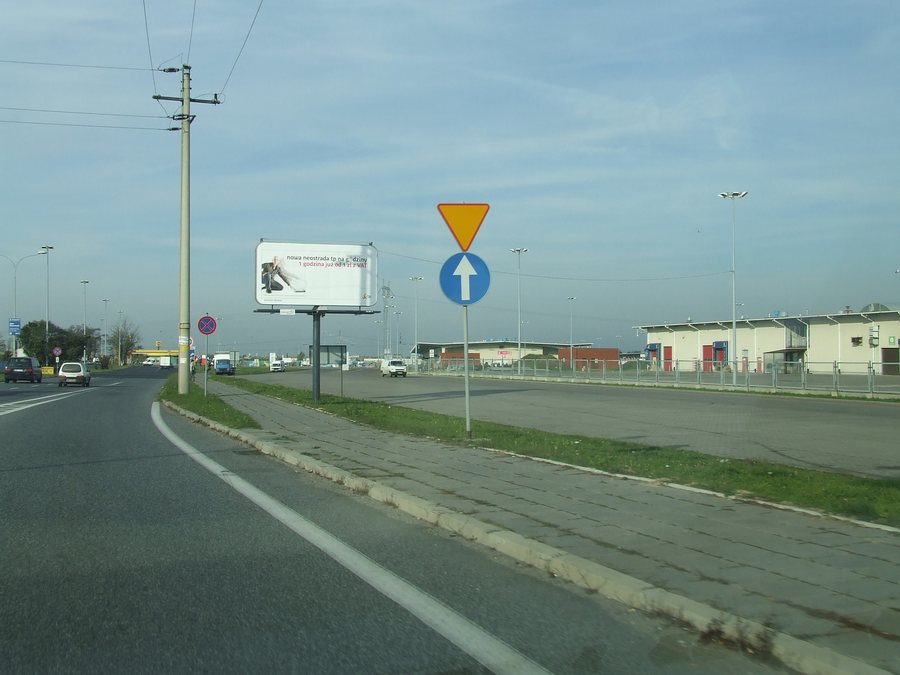
At the junction of Poznańska and Świerkowa streets, near the entrance to the wholesale market, stands a wooden, box-shaped shrine chapel. An Orthodox cross is part of its design. Inside is an image of the Mother of God that resembles an icon. The chapel is therefore a different kind of historical trace from the memorial grave: its form and image give it a religious visual language, while the grave commemorates the fallen soldiers.
Park History and Heritage Protection
The historic ensemble of buildings and parkland probably originated in the mid-19th century. The word “probably” is part of the dating: it places the origins within a period without assigning an exact founding year. The information about the park also has a specific time reference. In 1989, the park covered 2.4 hectares. This area figure refers to the park at that time. The remains of the park are located on plot 7/17; the entire plot is protected as a historic monument. This provides a specific context for the park’s history and protection status, without reading more into the dating of the ensemble or the stated area than each supports.
Putting Bronisze in Context as a Destination
The historical themes in Bronisze can be divided into three main areas: remembrance of the battle, the chapel’s religious imagery, and the ensemble of buildings and parkland. This distinction can help when planning a trip together and considering what kind of local history interests you. The memorial grave commemorates a specific event; the chapel brings religious imagery into the local landscape; and the park and ensemble point to a history that probably dates back to the mid-19th century, as well as to the park’s recorded area in 1989. If you are considering Bronisze while looking for a holiday rental, these connections may be part of your decision about whether the place’s cultural and historical character suits your stay.
Discover more destinations: Kępiaste, Kiełpin, Lipków, Mościska, Ożarów Mazowiecki, Zalesie, Błonie, Dziekanów Polski.
Go to the broader travel overview: Warsaw West.

