
Potworów: Paprika and Architectural History
Accommodation in Potworów
Potworów combines a distinctive paprika identity with an architectural history documented by dated evidence from the 18th to the 19th century. The manor park on Lipowa dates from the 18th century; other historical points of interest include a former inn and a brick cross from 1887. The Church of St. Dorothy, with its Neoclassical character, is another landmark. This gives you two clearly distinct perspectives to consider when planning your trip: local identity and historical architecture. If you are looking for a holiday apartment in Potworów, you can first consider which of these themes you would like to shape your stay more.
Paprika as Part of the Area’s Identity
Potworów bears the nickname “Capital of Polish Paprika.” It gives the area a distinctive culinary hallmark and sets it apart from its architectural history. For travellers who want to understand what makes a destination unique beyond its buildings, this nickname offers a distinct thematic perspective. It brings the local paprika identity to the fore, while the historical architecture offers a different perspective. The question of how the area sees itself is distinct from when its buildings were constructed and what architectural forms they display. Simply choosing between the area’s culinary character and its architectural history can help you decide whether Potworów matches your travel interests.
Church of St. Dorothy: Style and Construction
The Church of St. Dorothy in Potworów is oriented east, has a Neoclassical style, is built of stone and brick, and has a single nave. These features describe different aspects of the building: its orientation, style, materials, and floor plan can each be considered separately. Construction began in 1770, funded by the Abbot of Sulejów, Stanisław Potkański. The date places the start of construction in its historical context, while the architectural details help you understand the building itself. For architecture enthusiasts, these are two complementary ways to approach it: the building’s form and the historical beginning of its construction.
Other Historical Points of Interest
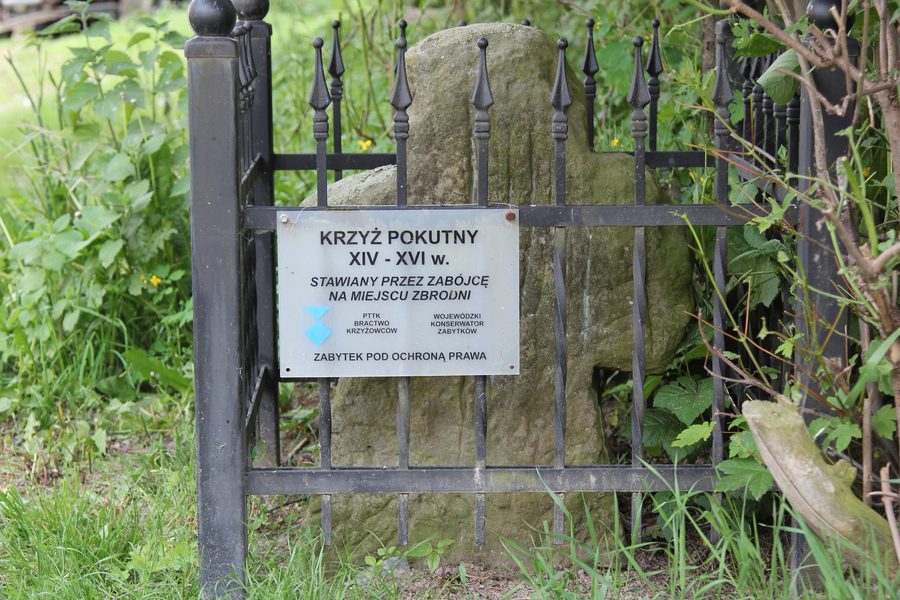
The other historical points of interest can also be distinguished by date and type. The manor park on Lipowa in Potworów dates from the 18th century. The former inn at 1 Radomska Street dates from the first half of the 19th century and is listed in the Voivodeship Register of Historic Monuments. A brick cross in the market square dates from 1887. This spans a period from the 18th century to the late 19th century; at the same time, a park, a former inn, and a cross represent different types of historical places. Those interested in local history can use these differences to explore both the chronology and the variety of architectural forms.
Considering Potworów as a Travel Destination
When looking for a holiday apartment in Potworów, you can ask yourself which perspective you would like to shape your stay: does the paprika identity appeal to you most, are you primarily interested in architecture, or would you like to compare both sides of the area’s character? This comparison keeps your choice focused on your actual interests, without reducing the historical points of interest to a single attraction. This way, you can first decide whether Potworów suits the kind of trip you have in mind before comparing individual holiday apartments.
Discover more destinations: Przysucha, Wieniawa, Zawady, Ossa, Krzesławice
Return to the main travel overview: Przysucha.

