
Krężnica Jara – Landscape and History
Accommodation in Krężnica Jara
The meandering valley of the Krężniczanka, St. Florian’s Parish Church and an obelisk commemorating historical events reveal different sides of Krężnica Jara. The landscape draws the eye to the river and other waters, while the church and memorial give the place a historical dimension. If you are looking for a holiday apartment, these different points of interest can help you decide whether Krężnica Jara might be a suitable base for your stay.
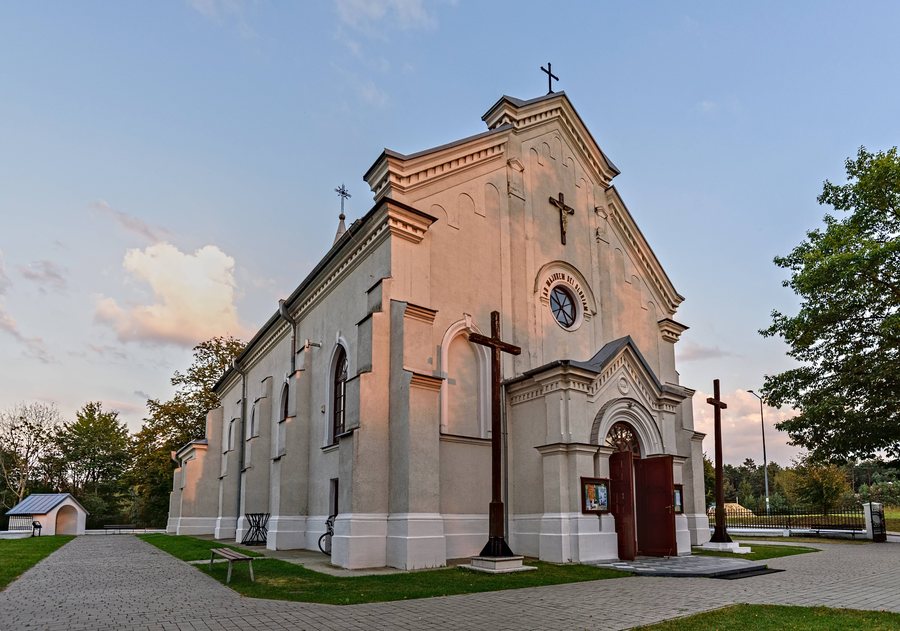 File:Kościół parafialny pw. św. Floriana - Krężnica Jara.jpg
Photo: Grażyna Adamczyk via Wikimedia Commons, CC BY-SA 4.0
File:Kościół parafialny pw. św. Floriana - Krężnica Jara.jpg
Photo: Grażyna Adamczyk via Wikimedia Commons, CC BY-SA 4.0
River Landscape and Protected Surroundings
The valley of the meandering Krężniczanka is one of the place’s defining landscape features. It is joined by numerous springs feeding streams that flow into the river, the Sobieszczanka, a tributary of the Krężniczanka, and fishing ponds. The landscape described here is therefore not made up of just one body of water: in addition to the river, smaller waterways and ponds are among its features. It also offers opportunities for recreation to people from outside the area. If you consider waterside scenery when choosing a destination, this is an important aspect of Krężnica Jara.
The area’s location within the Czerniejowski Protected Landscape Area is another part of its regional setting. This protected area borders the Krzczonowski Landscape Park to the east. The specific landscape along the river and its inclusion in a protected area are two distinct points of reference. If you are choosing somewhere to stay based on the landscape and surroundings, you can take these connections into account when deciding on a destination.
Church and History
St. Florian’s Parish Church was built between 1884 and 1887 and features Neo-Gothic design. Its altars and sculptures date from the turn of the 18th and 19th centuries and are predominantly eclectic in style. The church thus brings together Neo-Gothic architecture and older, predominantly eclectic furnishings. For visitors interested in architecture, this contrast in periods and styles offers a tangible way to explore the town’s architectural and artistic history. It adds a cultural theme to the landscape.
An obelisk beside a road in Krężnica Jara commemorates two events from July 1944. In the train disaster on the night of 21–22 July, partisans blew up a German munitions train. The obelisk also commemorates the execution of 22 residents of Makoszka and Plebania Wola on 22 July 1944. The two events are close together in time, but remain distinct historical points of reference: the train’s destruction and the commemoration of the residents. The town’s history, alongside its architecture, is therefore one of the subjects that make Krężnica Jara distinctive.
A Tourist Rest Stop
A tourist rest shelter with a fire pit and bicycle racks stands at the roundabout. It adds a practical place to take a break to the landscape and cultural attractions. When choosing the area as a holiday base, you can weigh up whether the waterside landscape, historical connections or this tourist rest stop matters most to you. This lets you choose a destination based on your own interests, rather than reducing Krężnica Jara to a single attraction.
Krężnica Jara as a Travel Base
The Zalew Zemborzycki reservoir and the tourist centres around it are close to Krężnica Jara. They offer an additional regional point of reference; the river valley, parish church, obelisk and rest shelter are other features of the area. When looking for a holiday apartment, you can first consider which factor matters most to you when choosing a destination: the landscape of rivers, springs and ponds; historical commemoration; the architecture of St. Florian’s; or the area around the reservoir. If you are travelling with a range of interests, comparing these options can help you decide what mix you want before choosing where to search.
Discover more destinations: Bystrzyca Nowa, Garbów, Jastków, Niemce, Bychawa, Lublin
Back to the main travel overview: Lublin.

