
Podegrodzie: Churches, a Wooden Farmstead and Cultural Traditions
Accommodation in Podegrodzie
You can discover Podegrodzie through several historical periods and different forms of its culture: a parish church with a predecessor building, St. Anne’s Chapel, a wooden farmstead and a regional singing and dance ensemble. These themes offer different ways to explore architectural history and tradition. If you are looking for a holiday rental in Podegrodzie, they can also help you decide what to focus on during your cultural trip.
The parish church and its predecessor
The parish Church of St. James the Greater was built between 1830 and 1835 on the site of an older church. This predecessor building burned down in 1822 along with the rectory. The loss and the new construction are therefore part of the history of the same site, but took place at different times. Anyone interested in how historic places have developed will find more here than just a construction date: the story spans the church that burned down and the parish church built later. To understand the building, it is important to consider not only its construction between 1830 and 1835, but also the history of the site on which it stands.
St. Anne’s Chapel and its two possible construction dates
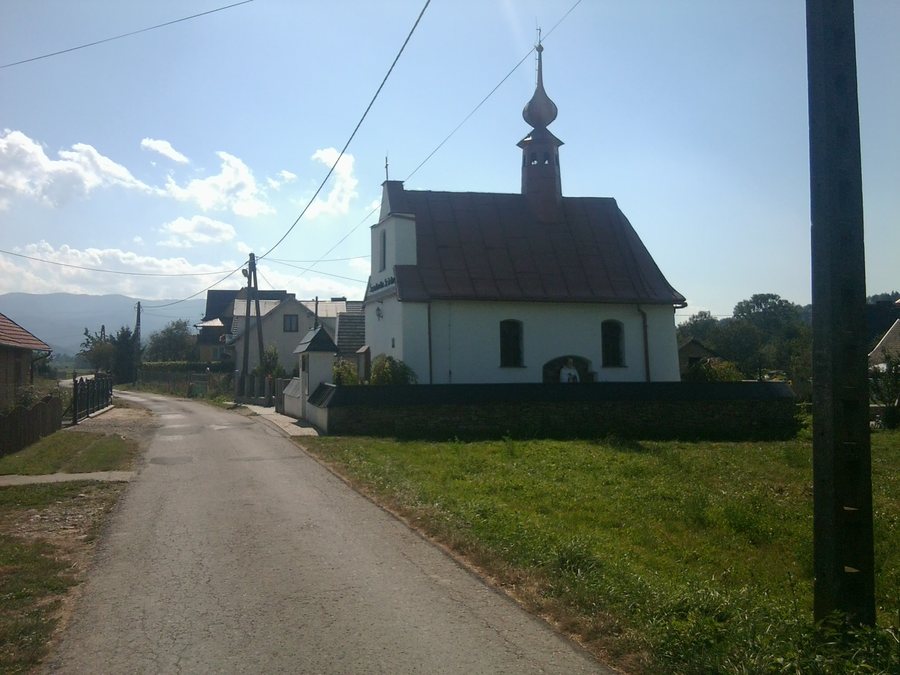
The exact construction date of St. Anne’s Chapel is uncertain: it was built either in 1631 or in 1695. It was renovated in 1936 and 2008. Unlike the parish church, no single construction date can be established here; both dates given are part of its historical context. The renovation dates add further milestones without resolving the uncertainty about when the chapel was originally built. Compared with the parish church, constructed between 1830 and 1835, it reflects a different historical period. Anyone interested in religious buildings can compare the two sites in terms of their architectural history and dates.
Singing and dance as a distinct cultural tradition
The “Podegrodzie” Regional Singing and Dance Ensemble has been active since 1937. The town’s culture can therefore be explored through more than churches and historic buildings. Singing and dance are distinct forms of expression alongside architectural history. The year marks a different point of reference from the building dates: it belongs to the history of an ensemble, not to the construction of a single building. This distinction is useful when planning a trip if you want to explore cultural themes beyond architecture. The ensemble also offers a reason to experience Podegrodzie through its regional singing and dance tradition.
A wooden farmstead with three types of buildings
The 19th-century Lachowska Zagroda “Kubalówka” is made of wood and consists of a house, a granary and a smithy. These three types of buildings give the farmstead a different structure from that of a single historic building. They draw attention to living, storage and craftsmanship as distinct aspects of rural architecture. The combination is what makes “Kubalówka” an interesting cultural and historical site: instead of considering the age of just one building, you can explore how the different functions of its structures relate to one another. The farmstead thus complements the religious buildings with a look at another form of historic architecture.
Cultural highlights for your trip
The four themes can be grouped according to different interests: the history of the parish church links a 19th-century construction with the fire that destroyed its predecessor; at St. Anne’s, the uncertain construction date is paired with two later renovations. “Kubalówka” draws attention to the combination of a house, granary and smithy, while the ensemble represents singing and dance. If you are planning a trip together, these differences can help you discuss everyone’s interests before deciding how to spend your stay. This turns a general search for culture into a more focused exploration of architectural history, rural architecture and regional traditions.
Discover more destinations
Discover more destinations: Krzyżówka, Żeleźnikowa Wielka, Żegiestów, Mochnaczka Niżna, Łącko, Grybow, Labowa, Wierchomla Mała.
To the main travel overview: Nowy Sącz.

