
Raba Wyżna: Park, Church and Chapels
Accommodation in Raba Wyżna
Raba Wyżna’s cultural history is reflected in specific landmarks: the church and an image of the Virgin Mary, the manor house and park complex, and two chapels. The manor park features landscaped paths, flower beds and a diverse collection of trees; the burial chapel, in turn, is distinguished by a dated burial and details on its entrance portico. Historical dates, religious culture and park design thus come together as distinct themes. If you are looking for an apartment for a culture-focused stay, this selection can help you decide what interests you most about Raba Wyżna.
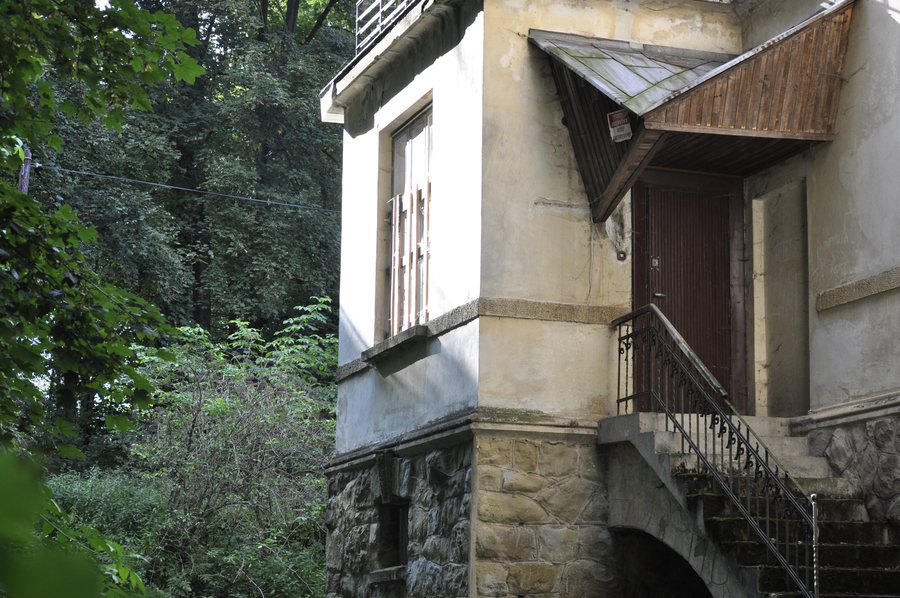 File:RABA WYŻNA dwór, fot. M. Jałoszyńska MIK 2016 CC BY SA NC ND (38) (30583026646).jpg
Photo: mik Krakow via Source, CC BY-SA 2.0
File:RABA WYŻNA dwór, fot. M. Jałoszyńska MIK 2016 CC BY SA NC ND (38) (30583026646).jpg
Photo: mik Krakow via Source, CC BY-SA 2.0
Church and Local Veneration
The church in Raba Wyżna was consecrated on 14 October 1668 by Mikołaj Oborski, auxiliary bishop of Kraków. The precise date and the name of the person who consecrated it provide a concrete starting point for understanding the town’s ecclesiastical history. The image of Matka Boża Rabiańska (Our Lady of Raba), dating from the 18th century and the subject of local veneration, is also part of the area’s cultural history. The consecration and the image offer different historical points of focus: one is a precisely dated event, the other a religious image with local significance. For visitors interested in culture, this offers a perspective that goes beyond a single date to include veneration of the image.
Manor House and Park
The naturalistic landscape park at the manor house was laid out in the early 20th century, with walking paths and flower beds. Small-leaved lime, ash and oak trees predominate; other species include hornbeams, Douglas firs, Austrian pines, a weeping ash and European beeches. The trees are about 100 years old. The paths and flower beds reflect the design of the grounds, while the variety of tree species provides further specific details about the park’s character. The manor house and park complex is listed in the Małopolskie Voivodeship Register of Historic Monuments. Together, the park and manor house form a point of cultural and historical interest. If you value landscaped grounds and local history when choosing where to stay, this complex offers a distinct focus alongside Raba Wyżna’s religious heritage.
Burial Chapel with Art Nouveau Details
The burial chapel of the Zduniów and Bzowskich families is located in the parish cemetery in Raba Wyżna. The oldest burial in the chapel dates from 1866. Its entrance portico is supported by two columns and features wrought-iron Art Nouveau elements. Other details include an ornamental grille on the door, a stair railing and decorated column capitals. The chapel is listed as a cultural asset in the Małopolskie Voivodeship Register of Historic Monuments. These details give the architecture a distinctive character: the columns and capitals, grille and railing all form part of the described entrance design. Unlike the church, whose historical points of interest are its consecration and the image of the Virgin Mary, the focus here is the combination of a burial place and visible architectural features.
The burial chapel can only be viewed from the outside. During cemetery opening hours, visiting times are listed as daily from 8 a.m. to 8 p.m. from April to September, and from 8 a.m. until dusk from October to March. Check these times before your visit.
Another Religious Landmark
The Chapel of the Third Fall of Christ in Raba Wyżna is also listed in the Małopolskie Voivodeship Register of Historic Monuments. It adds another named historic site to the town’s religious and cultural heritage. This gives you several points of focus: the park combines garden design and tree cover, the burial chapel highlights burial history and Art Nouveau details, and the church and chapels offer religious points of interest. Which of these perspectives you want to shape your stay may also guide your search for an apartment in Raba Wyżna.
Discover More Destinations
Discover more destinations: Ochotnica Górna, Rokiciny Podhalańskie, Dursztyn, Gronków, Waksmund, Podsarnie, Tylmanowa, Łopuszna.
Go to the main travel guide: Nowotarski.

_(30583026646).jpg)