
Ochotnica Górna: Magurki and Wallachian Culture
Accommodation in Ochotnica Górna
Ochotnica Górna brings together the historic Magurki mountain pasture and traces of Wallachian herding culture. The Magurki clearing, the observation tower on the summit and the Królczyków Koliba on the southern side of the clearing represent different aspects: pastoral history, orientation and herders’ architecture. There is also the wooden chapel in Studzionki. This gives you a specific thematic selection for planning your trip: you can focus on the history of the mountain pasture and herding culture, or also include buildings in an ethnographic context.
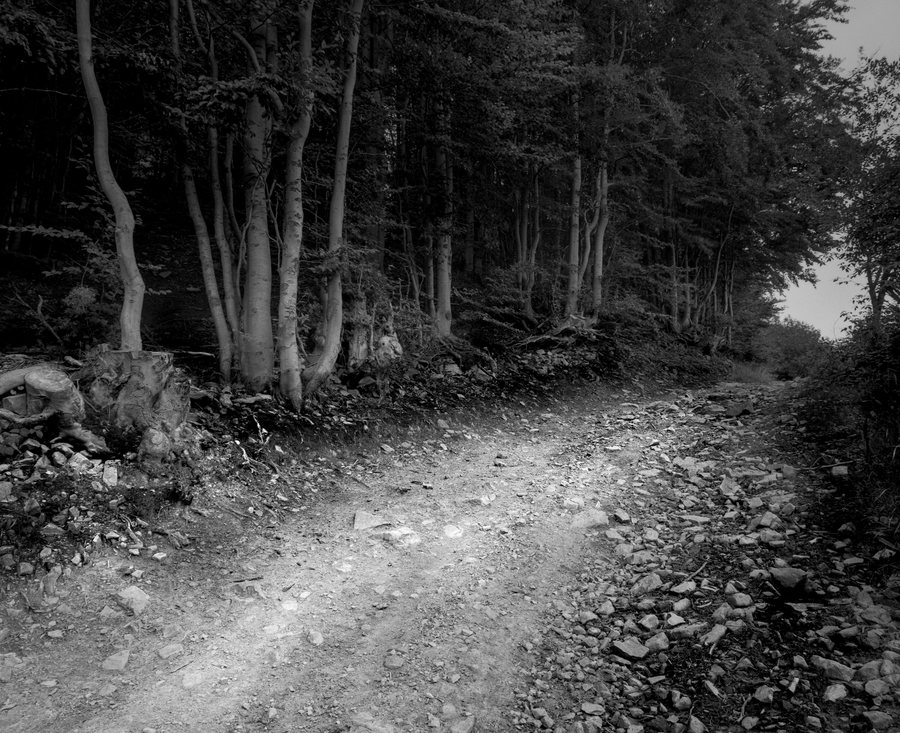
The history of the mountain pasture at the Magurki clearing
Today’s Magurki clearing is part of the old Magurki mountain pasture, one of the largest and best-preserved historic grazing areas in Ochotnica. The name Magurki therefore refers both to the clearing and to the old mountain pasture; the Magurki summit, where the observation tower stands at a higher elevation, is a separate place. The origins of Magurki are linked to the first group of Wallachian shepherds who settled there around the turn of the 14th and 15th centuries. This gives herding culture a historical context that goes beyond a single building. If you are planning a visit with children, this can prompt a simple question about the place: Which Magurki is meant—the mountain pasture, the clearing or the summit?
The observation tower on the summit
The observation tower was built in 2015 and stands on the 1,108-metre-high Magurki summit. It is located on the eastern edge of the clearing below, which is also called Magurki. For orientation, it is therefore helpful to distinguish the summit and the clearing as two different places with the same name. The tower is also one of the main points on the Szlak Kultury Wołoskiej. It is therefore an important landmark along the route and connects the description of the area with its Wallachian cultural theme. Its elevation and position relative to the clearing give this Magurki feature a different focus from the history of the old mountain pasture.
Herders’ hut and chapel
The Królczyków Koliba stands on the southern side of the Magurki clearing. The herders’ hut has numerous Wallachian features and gives herding culture a tangible architectural form. Together with the historic connection to the mountain pasture, it offers a way to distinguish the grazing landscape from the architectural side of herding culture. Travellers interested in this tradition have two different points of interest: the history of the mountain pasture and the Wallachian features of the hut.
Another building stands in Studzionki, a mountain settlement in Ochotnica Górna: the private open-air ethnographic museum houses the wooden chapel of Saint Joseph the Worker. Its dedication and location in the museum distinguish it from the herders’ hut at the Magurki clearing. Alongside mountain-pasture and herding themes, the chapel in its ethnographic setting is another cultural feature of the area.
Which focus suits your trip?
The features of the area can help you choose a focus for your stay. If you are particularly interested in the historic mountain pasture and Wallachian herding culture, Magurki and the Królczyków Koliba take centre stage. If you would also like to include buildings in an ethnographic context, the chapel in Studzionki offers an additional perspective. When looking for a holiday rental in Ochotnica Górna, you can start with the themes you would like to include in your trip plans. For families, distinguishing between the clearing, the summit and the two buildings also provides a specific topic for conversation, without combining the different features into a single attraction.
Discover more destinations: Bad Rabka, Czorsztyn, Podsarnie, Łopuszna, Gronków, Waksmund, Rokiciny Podhalańskie, Czarny Dunajec
For the broader travel overview: Nowotarski.

