
Discover Bobowa: Bobbin Lace and History
Accommodation in Bobowa
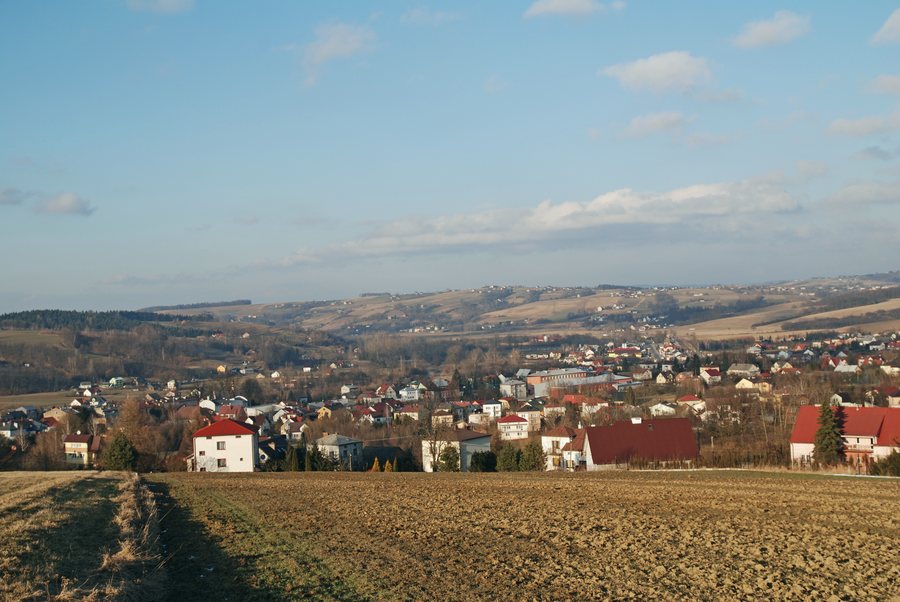
Bobowa invites you to discover history not only through individual buildings, but also through the town’s preserved layout: the medieval arrangement of the market square and streets remains. This brings the historic structure of the town itself into focus. If you like to get a feel for a destination first, this layout offers a concrete starting point. Religious and cultural landmarks provide further perspectives on Bobowa’s past.
Bobbin lace and a cycling route as reasons to visit
The International Bobbin Lace Festival gives bobbin lace a special place in Bobowa. The festival includes a fashion show and workshops on making bobbin lace; it has been held in Bobowa since 2000. The two events offer different perspectives: the fashion show presents bobbin lace in a design context, while the workshops focus on how it is made. If the festival is the reason for your trip, check the programme for the edition taking place in your intended travel year.
The Karpacki Szlak Rowerowy – Winny Szlak Rowerowy, which passes through Bobowa, offers another way to orient yourself. If you are planning a cycling trip, you can include Bobowa as part of this named route. This brings together two different ways to plan a trip: for the festival, the programme for that year’s edition is a practical reference; for a cycling trip, it is the route. Check the latest route information before setting off, as route conditions can change.
Church history across several centuries
Different historical periods come together at the All Saints’ Church. In 1529, Bishop Piotr Tomicki of Kraków raised it to the status of a collegiate church; from 1561 to 1592, it was a Lutheran church. These dates mark distinct chapters in its history. The church also contains the Baroque Chapel of Our Lady of Sorrows, which was saved from a fire in 1889. Another art-historical detail is Jacek Malczewski’s painting “The Crucifixion,” dating from 1904–1908. Together, these features highlight the church’s standing, confessional change, preserved furnishings, and painting. If you enjoy exploring Bobowa’s history through specific dates and different layers of time, you will find several points of interest here.
Jewish history and landscape
Bobowa’s synagogue was built in 1756. The Jewish cemetery lies on a hill with panoramic views of the Biała Valley, linking an exploration of history with a striking landscape setting. At Landau House, visitors can hear stories about Bobowa’s former Jewish residents and their fate. Check before your trip whether the house is currently open. Together, these places offer different points of focus: the history of a building, the cemetery’s setting in the landscape, and people’s stories.
Plan your stay around your interests
The festival, cycling route, and local history can all serve as different starting points for planning your trip. If you are looking for a holiday apartment in Bobowa, first consider whether a festival visit, a cycling trip, or the area’s historical themes will shape your stay. For the festival, check the programme for the relevant edition; for a cycling trip, consult the latest route information. This makes it easier to match your travel dates to your interests without reducing Bobowa to just one aspect.
Discover more destinations
Discover more destinations: Korczyna, Klimkówka, Hańczowa, Szymbark, Bystra, Gładyszów, Ropki, Wysowa-Zdrój.
For the broader travel overview: Gorlice.

.jpg)