
Wieniec: Park, Manor House and Church History
Accommodation in Wieniec
Wieniec combines a large park with a rich local history. The first documentary mention dates back to 1252; the historic setting also includes a manor complex with a neo-Gothic manor house and a church history whose milestones extend into the 20th century. This gives you different ways to get to know the town: through its trees and shrubs, its architectural history or the development of the parish. When looking for a holiday apartment, you could start by considering which of these themes you want to shape your trip.
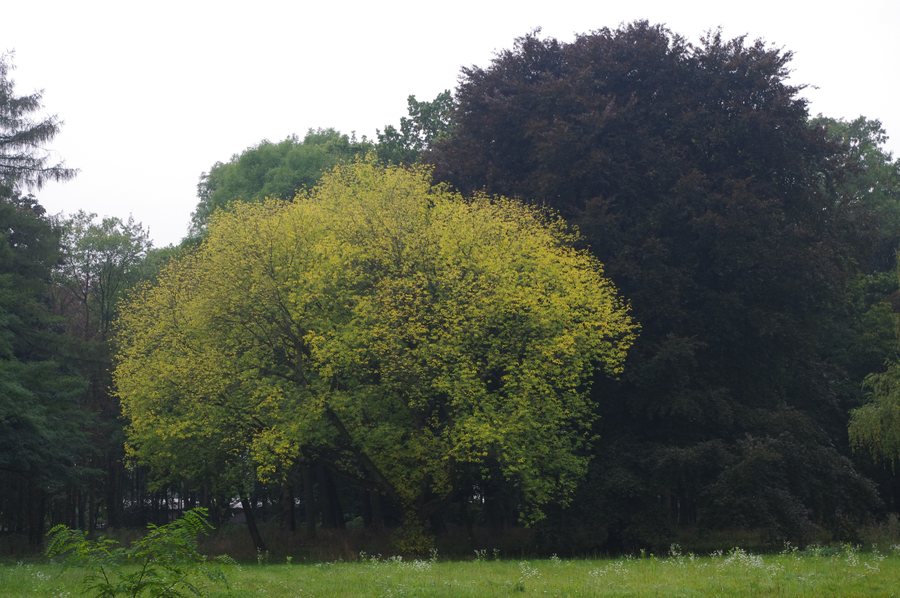
Park and trees
The park in Wieniec covers 8 ha and contains 1,411 recorded specimens of deciduous and coniferous trees and shrubs. The species mentioned include maple, ash, small-leaved lime, European white elm, sycamore maple, chestnut trees, larch and plane tree. The mix of deciduous and coniferous trees and shrubs gives the park its own distinctive landscape character. The named trees and shrubs provide a tangible way to explore this theme: in addition to the size of the grounds, you can also consider their composition. This landscape aspect clearly sets Wieniec apart from the town’s historic architecture and church-related themes. If you are weighing nature against history for your stay, the park and its trees may play a different role from the manor house and the history of the parish.
Church history of Wieniec
The bishops of Włocławek founded the parish and the church dedicated to St Nicholas in Wieniec no later than the 13th century. A later turning point came on 4 March 1941, when German occupying forces blew up the church. The foundation stone for a new church was laid on 11 May 1958; the first parish Mass there was held at Christmas 1964. In 1967, Bishop Antoni Pawłowski donated the altar to the church. Together, these milestones span a long period: from the medieval foundation through wartime destruction to the construction of a new church and its later furnishing. The foundation, loss and rebuilding are distinct chapters in the town’s history, each marked by the dates given.
Manor Complex and Old Palace
The manor complex is also part of Wieniec’s historic character. Between 1826 and 1847, Stanisław Miączyński built a neo-Gothic manor house there, now known as the Old Palace, as well as farm buildings belonging to the estate. Neo-Gothic describes a later style that reinterprets forms of Gothic architecture; the term places the manor house in an art-historical context. The complex was expanded to include a distillery dating from 1877. The history of the estate therefore encompasses different types of buildings: the manor house, the farm buildings and the distillery. The chronology gives this subject a clear structure: the construction phase of 1826–1847 was followed by the addition of the distillery. Visitors interested in architecture can view the manor house as a neo-Gothic building, while those interested in the estate’s development can find another historical point of reference in its later expansion.
When travelling with children or across several generations, distinguishing between landscape and history can help you discuss everyone’s shared interests: are the park and trees, or the architectural and church history, more important? When looking for a holiday apartment in Wieniec, this question can help guide you towards the focus you want, without limiting your choice of destination to just one theme.
Discover more destinations: Augustynowo, Włocławek, Antoniewo, Skoki Duże, Skórzno, Kruszyn, Mieczysławowo, Chotel.
Go to the overarching travel overview: Włocławek.

