
Discover Kikół: Park, Palace and Church
Accommodation in Kikół
Kikół is a destination for travellers who want to discover architecture not only as a whole, but also through individual forms and historical details. The palace and park complex, the Neo-Gothic church and the Neoclassical palace offer clearly distinct points of interest. If you place culture at the centre of your trip, these themes can also shape your choice of holiday rental in Kikół.
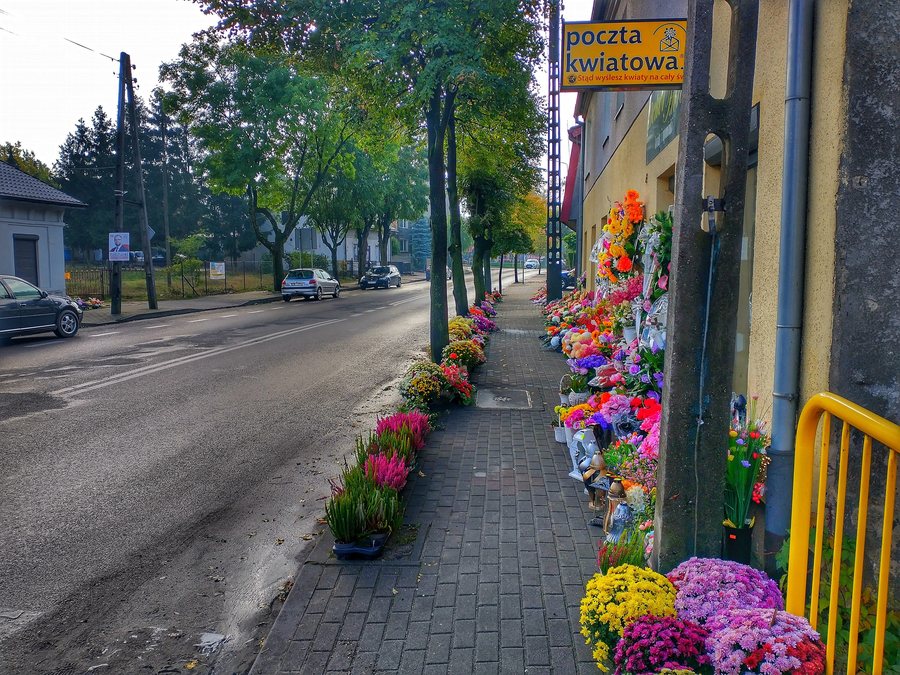 File:MOs810 WG 23 2023 Prusy Dolne (center of Kikół) (0).jpg
Photo: MOs810 via Wikimedia Commons, CC BY 4.0
File:MOs810 WG 23 2023 Prusy Dolne (center of Kikół) (0).jpg
Photo: MOs810 via Wikimedia Commons, CC BY 4.0
The palace and park complex as a focus in its own right
The palace and park complex in Kikół covers 13.5 hectares. Its size makes it a distinct landscape feature alongside the town’s architectural details. Those planning a trip with an interest in both architectural history and the connection between palace and park will find a different perspective here than in a study of individual interiors and building elements.
Neo-Gothic forms and historical details at the church
The church in Kikół is built of brick in the Neo-Gothic style and surrounded by a brick wall. Two Neo-Gothic gates lead through the wall: a main gate and a cemetery gate. The main altar is also Neo-Gothic. The church therefore offers several features of this style to distinguish, from its exterior design to the altar.
The main nave of the church has a barrel-vaulted wooden ceiling. The term describes a curved form running lengthwise; the wood creates a different accent from the brickwork. Alongside the Neo-Gothic elements, the interior also contains older works of art: a Rococo baptismal font dating from the mid-18th century. The right side altar holds a figure of Our Lady of Sorrows from Konotopie, while the left one contains a Crucifixion painting signed by J. Paszkiewicz.
At the main entrance is an epitaph to Ignacy Antoni Zboiński, dating from 1796. The cemetery beside the church also contains several architecturally noteworthy tombs from the late 19th and early 20th centuries. These different dates and forms offer various ways to explore the town’s history, without reducing its buildings to a single style or period.
Neoclassical palace and painted architecture
The palace in Kikół dates from around 1790 and is Neoclassical. Its deeply recessed portico, with a row of six columns, is particularly striking. A portico is a part of a building defined by columns; its deep recess and orderly row of columns give the structure a clear architectural layout.
The walls of the Knights’ Hall retain illusionistic paintings with architectural motifs from the turn of the 18th and 19th centuries. Such paintings use architecture as a pictorial subject and make painted building elements appear three-dimensional. Together with the Neoclassical palace, the Knights’ Hall offers a distinct way to explore the architecture of this period. The church and palace also show how different styles can be set against each other in Kikół: Neo-Gothic forms in the church and Neoclassical design in the palace.
Include cultural interests in your choice of accommodation
For families who enjoy talking about forms as they explore, the features described here offer concrete conversation starters: How can you recognise a portico? What distinguishes Neo-Gothic from Neoclassical architecture? And how does illusionistic architectural painting work? This makes it possible to shape a culturally focused stay around questions that address both individual details and broader differences in style.
If this architectural and artistic history matches your travel interests, Kikół may be a suitable place to look for a holiday rental. The palace and park complex complements the church and palace with a landscape perspective.
Discover more destinations
Discover more destinations: Moczadła, Głęboczek, Polichnowo, Popowo, Wielgie, Glewo, Będzeń, Skępe.
For the main travel overview: Lipno.

_(0).jpg)