
Discover Nieszawa: Art and History
Accommodation in Nieszawa
Nieszawa tells stories of art, remembrance and architectural history through specific places. On the north side of the market square stands the Muzeum w Nieszawie, in a Neoclassical house dating from the first half of the 19th century. The museum brings together the lives and work of two artists and archival material about the town; a chapel and the history of the Franciscan monastery lead to further topics. You can tailor your stay to suit different cultural interests.
Art and Town History at the Muzeum w Nieszawie
Two rooms on the ground floor document the life and work of Stanisław Noakowski (1867–1928). An architectural theorist, educator, draughtsman and painter, he worked across several fields. This combination offers you different perspectives on his biography and work. The museum also collects documents and memorabilia relating to Noakowski, as well as archival material on Nieszawa’s history. Personal accounts and town history thus offer distinct perspectives side by side.
The first floor houses exhibitions about Ludwik Bouchard (1828–1912), Noakowski’s teacher, as well as an art critic, painter and educator. The connection between teacher and pupil gives the presentation a historical thread: alongside Noakowski’s life and work, you encounter another artist’s biography. The Bouchard exhibition includes oil paintings, watercolours, drawings, ceramics and furniture he designed. The focus shifts between painting, drawing and other artistic works. The museum also has a multimedia-equipped multipurpose hall. The museum is adapted to the needs of people with disabilities; if particular accessibility features are important to you, check before your visit whether the facilities meet your needs.
Places of Remembrance and Architectural History
Golgota Nieszawska is a brick chapel above the burial site of January Uprising insurgents from Kujawy. Its historical significance is thus directly connected to the burial site. The subject differs from the artists’ biographies in the museum and broadens the cultural perspective to include remembrance of the insurgents.
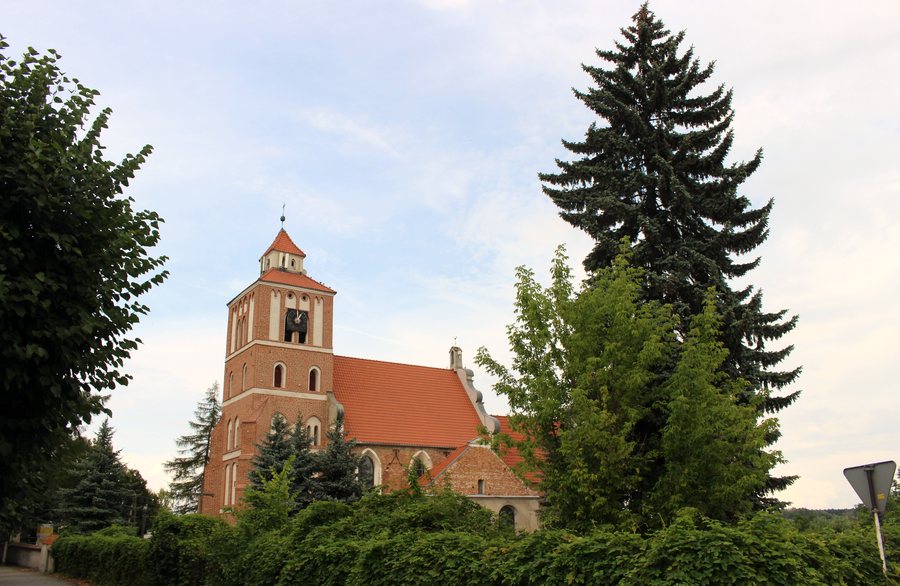
The architectural history of the Franciscan monastery and Franciscan church can also be explored through different periods. Both were originally built of wood in the 1460s; in the 17th century, a brick church and monastery were built. The transition from wooden to brick construction makes the sequence of periods clear, without requiring you to compare several artists’ biographies. The chapel and the monastery’s history thus offer a different emphasis from the museum collections: here, architectural form, religious history and remembrance take centre stage.
Nieszawa as Part of a Cultural Trip
The alternative route of the Szlak Kopernikowskiego between Toruń and Włocławek also passes through Nieszawa. If you are considering this route, you can include Nieszawa as one of its destinations. This connection adds a route perspective extending beyond the town to its local cultural themes.
The themes that interest you most can also help guide your search for a holiday rental in Nieszawa. Consider whether you mainly want to explore the exhibitions and artists’ biographies, or whether you would also like to focus on the chapel and architectural history. When reviewing a property’s location details, consider the places you want to include in your stay. If you are travelling with children, a simple question can help with your choice: are they more interested in artists and art forms, or in places of remembrance and building periods? This helps you shape the trip around particular themes without giving every area equal weight.
Discover more destinations: Stawki, Kwiatkowo, Przybranowo, Aleksandrów Kujawski, Odolion, Ciechocinek.
Go to the main travel overview: Aleksandrowski.

