
Discover Słupca
Accommodation in Słupca
A preserved spindle-shaped street plan, 19th-century buildings and the Late Gothic Church of St. Lawrence offer different perspectives on Słupca’s history. The city’s layout is also one of its distinctive features. If you’re interested in urban history, there are plenty of concrete starting points for your stay—from the city’s basic layout to a unique furnishing in the church. If you’re looking for a holiday apartment, these themes can help you choose a destination that suits what you’d like to discover.
The city’s history in its streets
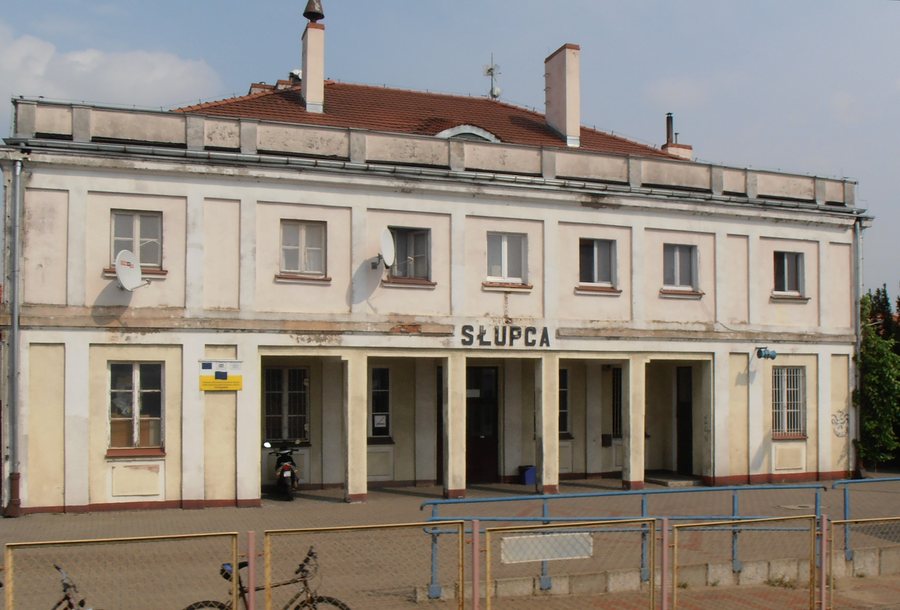
The historic spindle-shaped street plan has survived to this day. Its unusual shape makes the city’s layout itself a subject of interest, even before you look at individual historic houses. Several 19th-century buildings have also been preserved. One example is a historic house on Kościuszki Street, which formerly served as a coaching inn. This former use gives the building its own place in the city’s history and complements the view of the street plan with the story of a single house. Here, you encounter two different scales: the city’s basic layout and a preserved building with a specifically identified former function.
A route through the city
The Municipal Tourist Route comprises 29 information boards distributed throughout the city. This distribution sets the route apart from viewing a single historic building: it presents Słupca in a broader urban context. When planning your visit, you can consider whether you’d rather follow several information points or focus on a particular building. The number of boards and their distribution give you a concrete idea of how the route is laid out.
Special details in the Church of St. Lawrence
The Late Gothic Church of St. Lawrence brings together two noteworthy details from different chapters of its history. It has an early 17th-century late Renaissance bishop’s throne that was converted into a confessional. This furnishing reflects a change in use: the object known as a bishop’s throne took the form of a confessional. In addition, Poland’s oldest clock mechanism was discovered in the church in 1998. This find is part of the site’s history and is distinct from the converted bishop’s throne. Together, these details bring a distinctive item of church furnishing and a discovery from the history of timekeeping side by side. If you’re interested in church architecture, sacred furnishings or historic technology, these details offer different ways to get to know Słupca better.
Another perspective on the city’s history
The poster exhibition “Słupca. Faktycznie tak było” (“Słupca. That’s What Actually Happened”) presents selected events from the city’s history. It complements the themes of streetscape and church architecture with a look at events that shaped Słupca’s past. If you’d like to see the exhibition in person, check before your trip whether it will be on display during your visit. That way, you can include it in your plans without assuming it will definitely be available.
Choose the focus that suits your trip
When looking for a holiday apartment in Słupca, you might first consider whether you’d like to focus your stay on the city’s history. The route, with its boards distributed throughout the city, offers a different way to explore from the individual historic details in the Church of St. Lawrence. This distinction can help you decide what kind of stay you’re looking for: would you like to visit several information points, or are you particularly interested in architecture and furnishings? Słupca’s preserved urban layout and the cultural themes described here provide concrete guidance.
You can also discover Powidz as another destination. Discover more destinations: Ostrowite, Orchowo, Zagórów, Żelazków, Szydlowiec, Polanowo, Siernicze Małe.
For the overview of the wider area: Powiat Słupecki.

