
Loenen aan de Vecht: History, Waterways and Distinctive Village Character
Accommodation in Loenen aan de Vecht
Loenen aan de Vecht lies on the Vecht and combines historic village character with waterways, gardens and a vibrant cultural history. In the historic centre, the village is defined by the Grote Kerk. At the same time, the old drawbridge over the Vecht is still in use and regularly opens for recreational shipping.
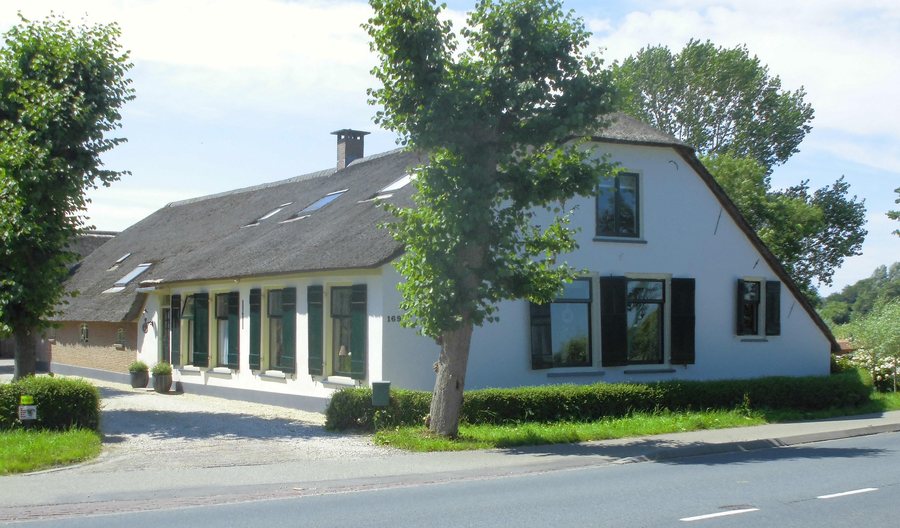 File:Loenen aan de Vecht - Rijksstraatweg 169 Koppellust.JPG
Photo: HenkvD via Wikimedia Commons, CC BY-SA 3.0
File:Loenen aan de Vecht - Rijksstraatweg 169 Koppellust.JPG
Photo: HenkvD via Wikimedia Commons, CC BY-SA 3.0
The Vecht, Drawbridge and Routes Through the Region
The Vecht is not only a defining waterway of the village, but also part of various ways to experience the Vechtstreek. The region can be explored by bicycle and aboard the Fietsboot on the Vecht. The old drawbridge has a special connection to the water, regularly opening for recreational shipping. Mijndense Sluis is the main entrance to the Loosdrechtse Plassen. At this lock, benches provide an opportunity to take a break during a cycling tour through the Vechtstreek. This makes it possible to combine active stages with quieter moments, without reducing the character of the village to a single experience.
A Village with a Long History
Loenen aan de Vecht has existed since the 10th century. The oldest surviving part of the village dates from the 13th century. The Grote Kerk stands in the centre and has developed over the past centuries from a small chapel into a three-aisled cruciform church with a distinctive tower. In the renovated church, a varied cultural programme takes place alongside regular services, as well as weddings, events, film shoots, congresses and other gatherings.
The interior also evokes an artistic historical era: the Grote Kerk contains an interior wall designed by Abraham van der Hart (1747–1820), with woodcarvings by Antony Ziesenis (1731–1801). During an earlier opening period, the church was open on Saturdays from 13:00 to 16:00, from 27 June to 5 September; on Open Monumentendag on 12 September, it was open from 11:00 to 16:00.
Country Estates and Tea Pavilions
Buitenplaats Nieuwerhoek includes a landscape-style garden with curving paths, a lawn and an enclosed wooded section. The name Nieuwerhoek derives from members of the Van Hoek family, who bought land between Breukelen and Loenen aan de Vecht in the mid-17th century for the development of several buitenplaatsen. At House Beek en Hoff, on Moleneind, a side street between Dorpsstraat and Molendijk, stands an 18th-century hexagonal wooden tea pavilion. Between Dorpsstraat and the Vecht, near House Beek en Hoff, there is a garden with a second tea pavilion from the 19th century.
On Foot Through Loenen and with Regional Flavour
The “Loenen Vroeger en Nu” walking route leads through Loenen using 19 panels with historic photographs and texts. Korenmolen De Hoop offers a culinary connection to local tradition: various flour products milled at its own mill are available there, including pancake flour, flour and wheat flour. Korenmolen De Hoop and its associated shop were open on Saturdays from 11:00 to 16:30.
Which Holiday Apartment Suits Your Plans
When choosing a holiday apartment in Loenen aan de Vecht, you can match your priorities with the specific themes of the village. Those who enjoy spending time on the water will find various points of interest in the Vecht, the drawbridge, the Fietsboot and Mijndense Sluis. For an interest in cultural history, there are the Grote Kerk, Buitenplaats Nieuwerhoek, House Beek en Hoff and the “Loenen Vroeger en Nu” route. This allows you to choose accommodation in Loenen aan de Vecht according to your preferred pace: with more emphasis on cycling tours and waterways, historical details or walks through the village.
For further travel planning, you can also include Vreeland and Nieuwersluis.
To the main travel overview: Loenen.

