
Rockanje – Dunes, Beach and Culture
Accommodation in Rockanje
Voornes Duin near Rockanje covers 809 hectares and is one of the most species-rich dune areas in Western Europe. No drinking water is extracted in this dune area; it still contains damp and wet dune valleys with many special plants that have become rare along the Dutch coast.
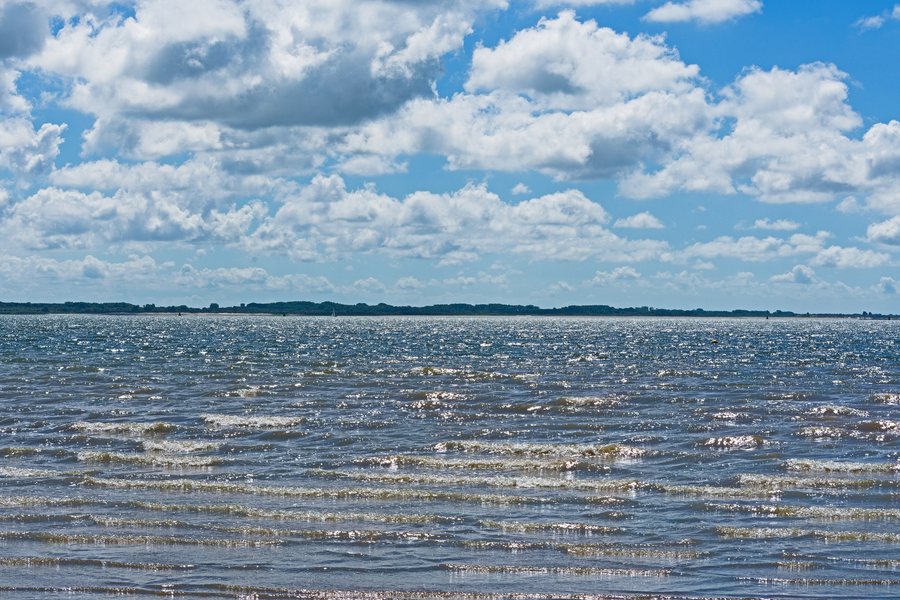 File:Rockanje Sea from the end of Swinsedreef.jpg
Photo: Ymblanter via Wikimedia Commons, CC BY-SA 4.0
File:Rockanje Sea from the end of Swinsedreef.jpg
Photo: Ymblanter via Wikimedia Commons, CC BY-SA 4.0
The size of the area is combined with a variety of landscapes: in addition to the dunes themselves, damp and wet valleys are part of the landscape described. These valleys in particular preserve habitats for plants that are now found only rarely along the Dutch coast. Nature and the water balance in Voornes Duin are therefore shaped by specific features that are closely interconnected.
Paths
The Bosmuisroute runs along partly paved paths. These paths are also suitable for wheelchair users. They are also suitable for people using rollators and for pushchairs.
The condition of the paths is therefore a distinct component of the route. Partly paved paths form the surface of the Bosmuisroute, while the mobility aids mentioned are expressly included. The information refers to wheelchairs, rollators and pushchairs and directly describes how the route can be used.
Coast
At Rockanje’s bathing beach, there is a specially extended path at the Eerste Slag beach entrance. The beach entrance is located at Badweg 1. The path extends to the waterline and is suitable for wheelchair users and people using rollators.
The access point is therefore precisely identified: Eerste Slag at Badweg 1 is the beach entrance where the extended path begins. It does not end until the waterline. This feature of the beach access is expressly stated to be suitable for wheelchair users and people using rollators.
Culture
The De Duinhuisjes open-air museum is located on the edge of the dune area near Rockanje. The museum comprises four original dune farmhouses dating from 1850 to 1910. Each farmhouse is furnished as it was when people lived and worked there at the time.
The four farmhouses therefore represent not merely a number, but individual original buildings from a clearly defined period. Their furnishings each relate to life and work at that time. The museum thereby connects the buildings themselves with their historical use.
The Dorpskerk Rockanje is the oldest building in the village. It was built in 1389. At that time, it was a Roman Catholic place of prayer.
The construction date of 1389 places the church clearly in time. Its history also encompasses its status as the oldest building in the village and its original function as a Roman Catholic place of prayer.
Surroundings
Another destination is Oostvoorne.
Noorddijk is classified as a fort and is located in the immediate vicinity of Rockanje. Stekelhoek is classified as a park and is also located in the immediate vicinity of Rockanje. Voorne’s Duin is likewise classified as a park and is located in the immediate vicinity of Rockanje.
Hoek van Holland Fort is classified as a fort and is located in the vicinity of Rockanje. Voorne-Putten is classified as an island and is located in the vicinity of Rockanje. Ouddorp Beach is classified as a beach and is located in the vicinity of Rockanje.
Goeree Overflakkee is classified as an island and is located in the vicinity of Rockanje. Kasteel van Rhoon is classified as a castle and is located in the wider regional surroundings of Rockanje.
For the higher-level travel overview: Westvoorne.

