
Holiday apartment in Slootdorp – nature, culture and village life
Accommodation in Slootdorp
Slootdorp combines a water landscape with village life and the history of the Wieringermeer polder. Between a fish migration area, festivals and historic buildings, nature, everyday life and early polder development come together at specific locations in the village.
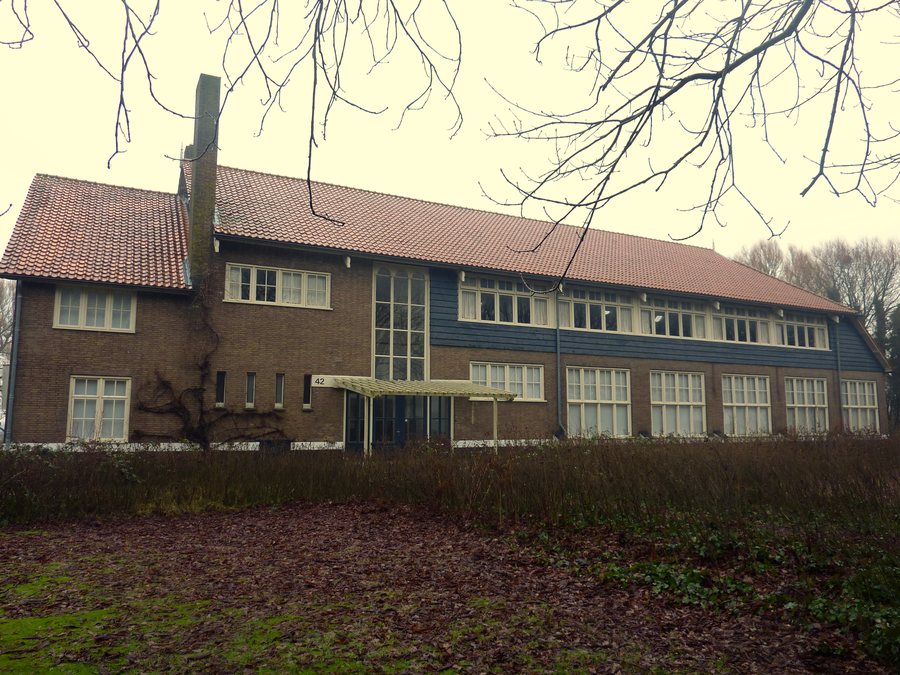 File:Slootdorp - Gemeenschapsgebouw.JPG
Photo: Gebruiker:Rudolphous via Wikimedia Commons, CC BY-SA 3.0
File:Slootdorp - Gemeenschapsgebouw.JPG
Photo: Gebruiker:Rudolphous via Wikimedia Commons, CC BY-SA 3.0
Slootdorp’s distinct character can be seen at several specific locations: water, architectural history, the village festival, the market and the tulip excursion each provide their own highlights.
Water landscape and walks
The VisKringloop Wieringermeer is a more than 17-hectare habitat and breeding area for fish that migrate between fresh and salt water. This connection between water, wildlife and the polder landscape gives Slootdorp’s natural side a clear identity of its own. For walkers, the area has a walking trail, an observation tower and information panels. The walking trail, observation tower and information panels each offer a different focus: activity, an overview and in-depth information. Those exploring the area on foot can use the existing walking trail, include the observation tower as an elevated vantage point and read the information panels installed there. The information supports close observation of this habitat and adds information about the polder landscape and the migrating fish population in Slootdorp to the experience on site.
Village life throughout the year
The Midzomerfeest Slootdorp is an annual village festival. A children’s afternoon is part of the event. There is also a Zeskamp, games and performances by various artists. Because it takes place every year, it is a recurring part of village life. In this way, the annual festival complements the polder’s historic locations with a communal occasion.
Culture and polder history
The Protestant Langewegkerk was built in 1939 to a design by E. J. Rotshuizen and was designated a municipal monument in 2022. It is also the only church building in Slootdorp where services are held. The year of construction, architectural design, monument status and use for worship come together here in one location.
The ’t Domein building consists of three apartments and served as an administrative centre until 1942. At the same time, ’t Domein still bears distinctive traces of the flooding of the Wieringermeer.
From 1934 onwards, the Joods Werkdorp temporarily offered young Jewish refugees from Germany and Austria accommodation, training and prospects for the future.
Boerderij ‘De Eerste’ is one of the earliest harvesting and land-reclamation barns in the Wieringermeer and dates from around 1930. The barn was used for the first agricultural activities in the new polder. Thus, a building from the early polder period is central here, as is the concrete beginning of agricultural work.
Market, tulips and cyclists
The Boerenversmarkt takes place in Slootdorp in September. The market adds a clear seasonal element to the village calendar. The Tulpenexcursie is a visitor attraction at Wierweg 7, 1774 NH Slootdorp.
Het Bos Roept offers a fully equipped shelter for cyclists and their bicycles.
More travel ideas: Wieringerwerf.
For the overarching travel overview: Wieringermeer.

