
Vacation apartment in Graft-De Rijp
Accommodation in Graft-De Rijp
Historic wooden houses along small canals, the story of seafaring and whaling, and the open expanse of the polders: Graft-De Rijp combines village history with a landscape typical of North Holland. Anyone looking to combine shared walks, local history, and outdoor exploration will find several different focal points for their stay here.
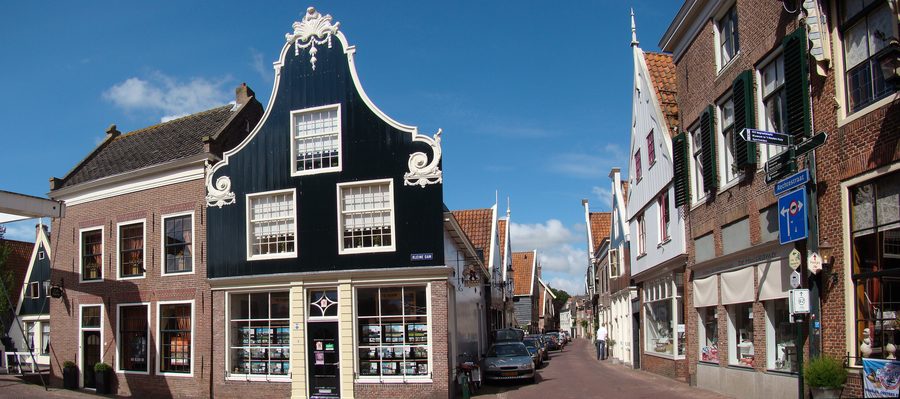 Historische Häuser prägen das Ortsbild von De Rijp.
Photo: arch via Wikimedia Commons, Public domain
Historische Häuser prägen das Ortsbild von De Rijp.
Photo: arch via Wikimedia Commons, Public domain
Quick facts about Graft-De Rijp
- The former municipality of Graft-De Rijp now belongs to the municipality of Alkmaar in North Holland.
- De Rijp is characterized by historic houses, wooden houses along canals and streets, the town hall with weighing house, and the central church.
- The present-day polder landscape is connected to the drainage of several inland lakes in the 17th century.
Historic village and maritime past
De Rijp preserves an unusually cohesive historic streetscape. As you walk through the small streets and along the canals, you will encounter preserved wooden houses and distinctive buildings. The town hall with weighing house and the central church are among the place’s defining historic sights. This makes De Rijp a suitable focus for anyone who wants to combine a stay with scenery and a vivid sense of local history.
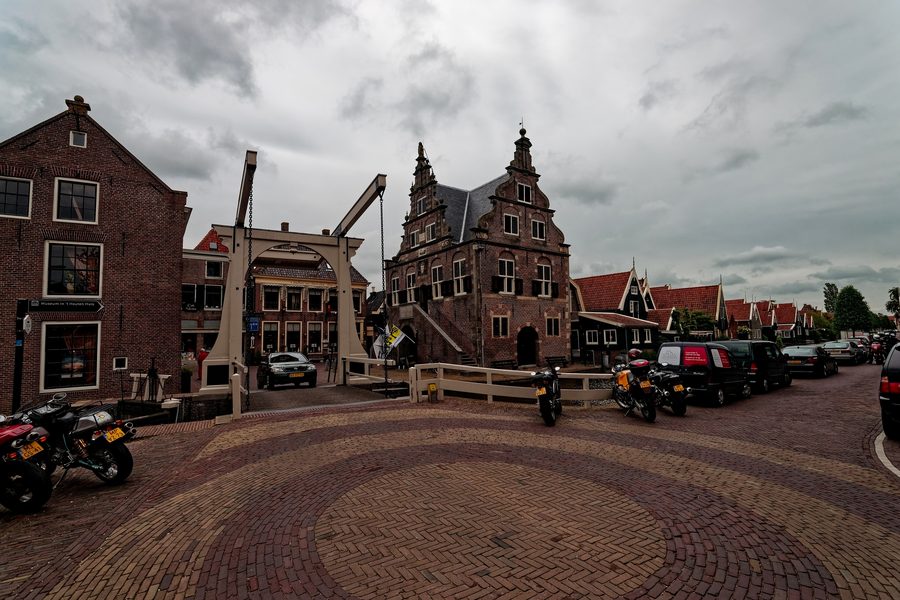
Graft and De Rijp were closely tied to seafaring, fishing, and whaling in the 17th century. This maritime past explains part of the area’s former prosperity and gives a visit here a historical context. For families, it can be a good conversation starter: the houses and streets are not only viewed as scenery, but connected to the region’s development.
Polder landscape between water and open space
The second side of Graft-De Rijp lies outside the historic village center. The region is shaped by inland waters, drainage projects, and fertile polders. According to the reviewed regional description, the open landscape can be explored on cycling or driving tours. This creates a different focus for a stay than a village walk: less building history, more openness, landscape, and independent exploration.
When planning, it therefore helps to make a simple choice: if you want to experience historic houses, canals, and local history above all, proximity to De Rijp is an important criterion. If the landscape is meant to play the larger role, the surroundings with polders and open spaces move to the foreground. A vacation apartment or vacation home should therefore match the balance you want between village visits and landscape exploration.
Which places belong to Graft-De Rijp?
The historic sources treat De Rijp and Graft together as historic place references of the former municipal area. Both names are therefore linked to local history and the maritime past of the subregion. For regional orientation, the place name West Graftdijk also belongs here.
The right base for your stay
Graft-De Rijp is a good reference point for travelers seeking a base with cultural and landscape appeal. What matters less is a universally best location than the rhythm you want for each day: staying close to the village supports the combination of walks and history, while a more rural location is better suited to exploring the polders and the landscape. If you want quiet days that combine local history with excursions into open countryside, the location of your accommodation should fit the way you plan to get around.
For the wider regional setting, you can also look at North Holland. That leaves Graft-De Rijp as the concrete choice for historic village scenery, maritime history, and polder landscapes.
Frequently asked questions about Graft-De Rijp
What makes Graft-De Rijp historically special?
The former municipality now belongs to the municipality of Alkmaar, but historically it was shaped by the independent places Graft and De Rijp, as well as by seafaring, fishing, and whaling.
What is especially worth discovering in De Rijp?
The focus is on the historic streetscape with wooden houses and canals, the town hall with weighing house, and the central church.
Is Graft-De Rijp better for a village visit or for landscape exploration?
Both can be combined as different focal points: historic village atmosphere in De Rijp and open polder landscape for cycling or driving tours.


_1630_by_Jan_Adriaanszoon_Leeghwater.jpg)