
Eelde: Art Nouveau, garden design and village history
Accommodation in Eelde
Eelde brings together art and architectural history with a distinctive perspective on village culture. The Drents Museum De Buitenplaats is dedicated to Art Nouveau; the village also has a historic church, an archaeological Rijksmonument and an annual flower parade. If you enjoy combining different themes on a trip, you’ll find ideas here ranging from a day at a museum to a longer cycling route.
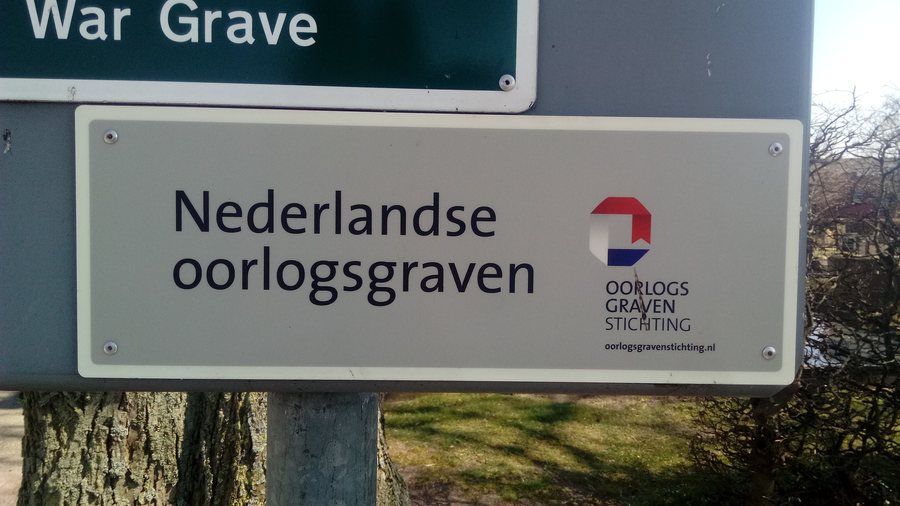 File:Nederlandse oorlogsgraven sign, Eelde-Paterswolde (2019).jpg
Photo: Photo: Donald Trung Quoc Don (Chữ Hán: 徵國單) - Wikimedia Commons - © CC BY-SA 4.0 International . ( Want to use this image? ) Original publication : -- Donald Trung 『徵國單』 ( No Fake News ) ( WikiProject Numismatics ) ( Articles ) 13:00, 18 April 2019 (UTC
File:Nederlandse oorlogsgraven sign, Eelde-Paterswolde (2019).jpg
Photo: Photo: Donald Trung Quoc Don (Chữ Hán: 徵國單) - Wikimedia Commons - © CC BY-SA 4.0 International . ( Want to use this image? ) Original publication : -- Donald Trung 『徵國單』 ( No Fake News ) ( WikiProject Numismatics ) ( Articles ) 13:00, 18 April 2019 (UTC
Looking for a holiday apartment? Eelde itself can be a good base if you want to focus on these local cultural and historical connections. The right accommodation for you depends on which destinations you plan to include. The sights and the route offer different focal points rather than prescribing one fixed itinerary.
Art Nouveau and gardens at De Buitenplaats
The Drents Museum De Buitenplaats is dedicated to Art Nouveau. The ensemble includes the 17th-century Nijsinghhuis. Its wall and ceiling paintings were created by Wout Muller, Clary Mastenbroek, Matthijs Röling, Olga Wiese and Pieter Pander. The historic building and the works of these five artists bring together different periods: the house itself dates from the 17th century, while the paintings provide a distinctive focal point inside.
The present-day garden at De Buitenplaats is also part of its history. It was laid out in several phases starting in 1978. At the same location, you’ll find the museum’s Art Nouveau theme, the history of the Nijsinghhuis and a garden whose creation spanned several stages. If you want to make your stay a cultural one, you can explore these aspects as a connected theme while still appreciating the distinctions between art, architectural history and the garden.
Village history and a look at the region
The Dorpskerk Eelde dates from the 14th century. Its wooden ceiling features a wall painting from 1715. The building and the painting therefore point to two different moments in history. When planning your trip, this connection offers a specific reason to explore the village’s earlier history as well as its museum.
De Waterburcht van Eelde lies south of Eelde and is an archaeological Rijksmonument. The protected village landscape is designated as Eelde-Paterswolde. These points extend the historical perspective beyond a single building: the Dorpskerk represents a dated building and a particular ceiling painting, while the Waterburcht is identified as an archaeological monument and the village landscape as a designated local view. When choosing what to see, you can therefore consider whether you’re mainly interested in art and interiors, or whether you’d also like to include archaeological and local history.
Cycling route and an annual tradition
The Over de Landgoederengordel cycling route is 36 km long and runs through the Landgoederengordel near Eelde-Paterswolde. Its length is a useful guide if you want to make a cycling trip a focus of your plans.
The Bloemencorso Eelde is also one of the village’s recurring events: it was first held in 1957 and takes place annually. So, alongside its enduring historical connections, Eelde also offers an event tradition. Check specific event dates separately when planning. At the Internationaal Klompenmuseum, individual tours and tours for small groups are available; they are led by a volunteer. If a guided tour matters to you, take this arrangement into account when planning.
Which focus suits your trip?
You can group these themes according to the kind of trip you want: De Buitenplaats brings together Art Nouveau, a 17th-century house and a garden laid out in several phases. The Dorpskerk adds a building and paintings to the village’s history, while the Waterburcht offers an archaeological connection. For a more active plan, the 36 km cycling route is a clearly defined option alongside the cultural attractions. The Bloemencorso and the tours available at the Klompenmuseum, in turn, bring an event tradition and a guided museum experience into the picture.
When looking for a holiday apartment, these distinctions can help you choose where to focus your trip: first consider whether art and architectural history, an event date or the cycling route will be the deciding factor. This way, Eelde is more than just a place to stay overnight—it becomes the starting point for a trip whose cultural, historical and active interests you can balance yourself.
Discover more destinations: Paterswolde, Tynaarlo, Zeegse, Zuidlaren, Eelderwolde, Midlaren, Vries.
Go to the main travel overview: Tynaarlo.
