
Holiday apartment in Settimo: villas, river landscape and culture
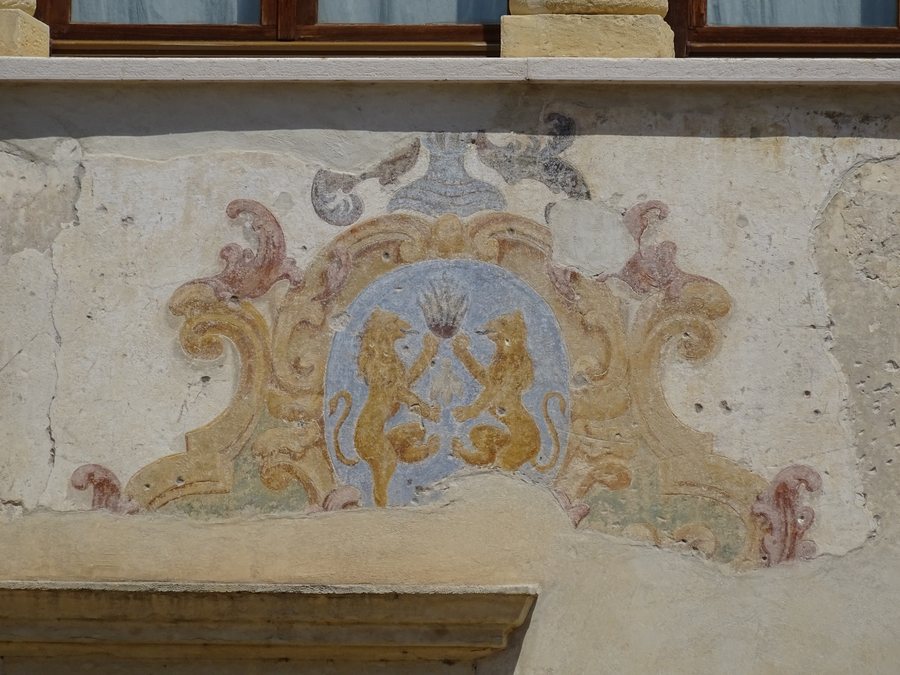
Settimo combines architectural history with the river landscape of the Adige and paths through the town. The name Settimo derives from the seventh Roman milestone. Centuries-old houses stand in the characteristic Porto district. Several villas, the riverbank and the natural landscape create distinct focal points in the town. The Sentiero di Maria and the riverside route complement this townscape with two specific walking routes. Porto thus forms its own historical connection to the houses, alongside the villas and the riverside area.
Walks by the water in Settimo
The Sentiero di Maria hiking trail leads through Settimo. The riverside route runs through a natural river landscape; in some sections, the original cobblestones of the Strada Alzaia become visible. When planning a walk, the surface is relevant in addition to the route itself. It is not consistent along the entire riverside route because the cobblestones are visible only in individual sections. Along the Strada Alzaia, the natural surroundings are thus combined with a specific detail of the path. The Sentiero di Maria remains distinct from it as an independent route through Settimo. The surface is therefore one of the visible features of the path by the river.
Villas and historical details
Villa Sparavieri is a building dating from the 15th and 16th centuries. A portico and an elegant columned loggia define its appearance. Villa Vascone-Bricci, now Villa Manni, has stone staircases on both façades. Side wings, porticoes and dovecotes are also part of its architecture. At Villa Sparavieri, the portico and columned loggia are the main features, while at Villa Manni, the stone staircases, side wings, porticoes and dovecotes take centre stage. The forms of the two villas range from loggias and porticoes to staircases, wings, porticoes and dovecotes.
The Villa Bertoldi complex dates from the 17th century and acquired its present appearance in the 18th century. An irrigation canal crosses the brolo of Villa Bertoldi; the structure is supported by around twenty brick pillars and arches. Villa Morando, also known as La Colombina, is located in Nassar-Settimo on the banks of the Adige River. Between the 16th and 18th centuries, Settimo was chosen as a holiday destination by several aristocratic families from Verona. The construction periods of Villa Sparavieri and Villa Bertoldi span the 15th to the 18th centuries. The Adige thus appears both as a landscape and as the location reference for a villa.
Events and local character
Villa Bertoldi hosts concerts and events of artistic interest. The Sagra di Settimo is scheduled to take place from 3 September to 7 September 2026; in the event of bad weather, 11 September to 13 September 2026 are scheduled as alternative dates. For travel planning in September, the scheduled festival period is relevant; bad weather triggers the alternative dates. Buglioni is a wine shop located at Via Enzo Natta 40, 37026 Settimo di Pescantina VR.
Further destinations include Castel D'azzano, Volargne, Bevilacqua, Sona, Colà, Pescantina, Marciaga and San Zeno Di Montagna.
Check prices, availability and amenities for your travel dates directly on Booking.com.
View accommodation and offersAdvertisement · Partner link to Booking.com
