
Holiday apartment in Oppeano: churches, history and nature
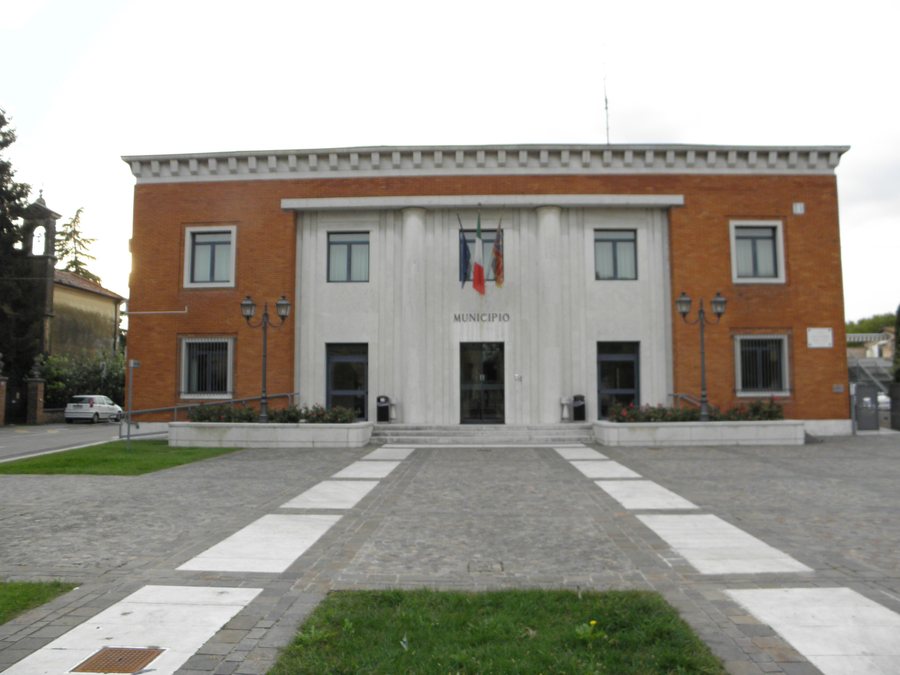
In the lower Veronese Plain, history, religious buildings and rural landscapes come together in Oppeano. Oppeano is one of the centres associated with the culture of the “ancient Veneti” between the 7th and 5th centuries BC. Le Franchine takes us even further back: this burial site, located in Oppeano, dates from the 9th to the 4th century BC. The Castrum Euppedanum was established in the early Middle Ages as a fortified camp.
Churches and historic sites in Oppeano
Today’s Chiesa di Oppeano was built in 1841 over an earlier church dating from the 11th century. In Mazzantica, the Chiesa di Mazzantica dates from the 14th century and was a parish by 1526 at the latest. Inside, the noteworthy roof-truss construction, several valuable frescoes and the altarpiece depicting the Nativity of Mary by Brusasorzi are particularly striking. The former Ex Chiesa di Santa Maria degli Angeli has been part of Oppeano’s history since 1526. Its redesign was intended to combine the preservation of the original structural elements with public use of the rooms. Today, the former place of worship houses the municipal “Don Remo Castegini” auditorium.
Further historical evidence complements these buildings. Of the Corte Domenicale Turco in piazza, only the 17th-century manor house and the chapel with its richly designed Baroque façade remain today; the chapel is considered a rare example of this style in the lower plain. West of today’s square in Oppeano stands a mutilated, barely recognisable tower, regarded as a surviving relic of the Castrum Euppedanum. The Torre di Ezzelino dates from the 13th century, while the Villa Carli alla Montara is attributed to the 17th and 18th centuries. In Vallese, following its most recent restoration, the Chiesa di Vallese brings older and modern elements together into a unified appearance of the religious building.
Landscape, farmsteads and cultural experiences
The municipality of Oppeano includes a large Site of Community Importance (SCI). It extends through the “valley” of Ca’ degli Oppi on the edge of the “Sguazzo” of Vallese. Archaeological finds and springs characterise this landscape and complement the historical themes with a nature-focused perspective. The tradition of rural farmsteads associated with Oppeano developed in the 15th and 16th centuries around self-sufficient residential units with dovecotes and solid enclosing walls. Thus, alongside churches and traces of fortifications, you will also encounter forms of a past shaped by farming.
The Teatro Salus in Ca’ degli Oppi is a parish theatre with a hall accommodating up to 200 spectators. Comedies and works in dialect were performed there.
Check prices, availability and facilities for your travel dates directly on Booking.com.
View accommodation and offersAdvertisement · Affiliate link to Booking.comFurther destinations
If you would like to extend your discoveries beyond Oppeano, you can also include Bevilacqua, Fumane, Pontepossero, Borghetto, Via I Maggio Mediana Dell'industria, Isola Della Scala, Cisano Di Bardolino and San Giorgio In Salici to your wider travel plans.
To the overview of the wider destination: Verona.

.jpg)