
Holiday apartment in Fiesso D’artico: Villas along the Naviglio Brenta
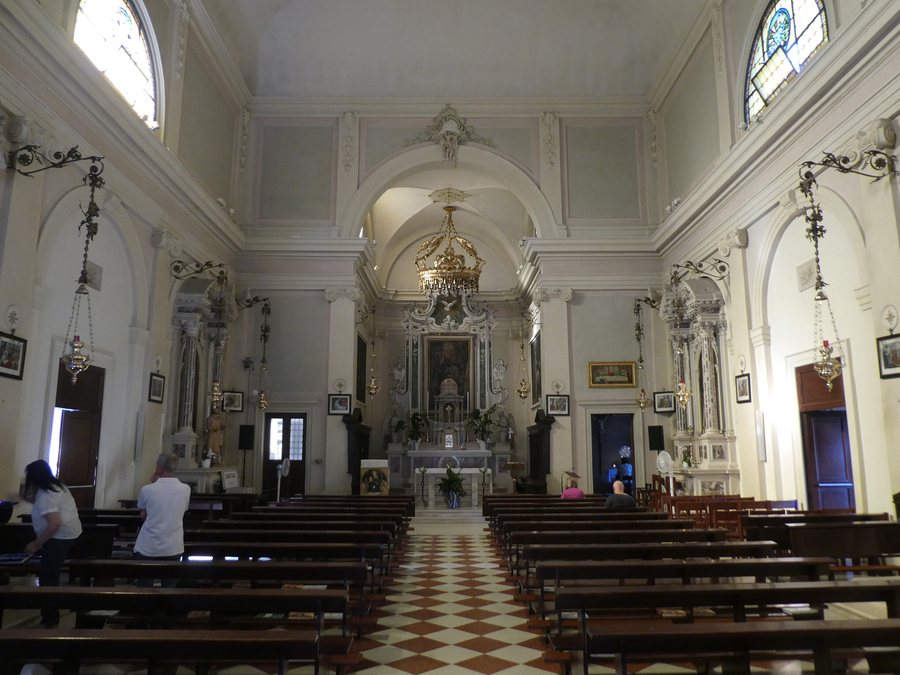 File:Fiesso d'Artico, chiesa della Santissima Trinità - Interno 01.jpg
Photo: Syrio via Wikimedia Commons, CC BY-SA 4.0
File:Fiesso d'Artico, chiesa della Santissima Trinità - Interno 01.jpg
Photo: Syrio via Wikimedia Commons, CC BY-SA 4.0
A holiday apartment in Fiesso D’artico takes you to a place whose character lies in its waterfront setting and cultural history. Fiesso D’artico is located on the left bank of the Naviglio Brenta, along the connection between Padua and Venice. When choosing accommodation, you can focus here on your interests in waterways, architectural history, festivals, or outdoor activities.
Waterfront location between Padua and Venice
The Naviglio Brenta defines Fiesso D’artico’s geographical setting. In the past, the Burchiello connected Venice with Fiesso by water. This historic connection is therefore an important part of the town’s history, while today the town can also be experienced through specific buildings, green spaces, and paths. Those looking for a holiday apartment in Fiesso D’artico will thus find a travel focus that combines a connection to the water with a Venetian-influenced past.
History and Venetian villa culture
Fiesso D’artico is documented in records from 1025/1028. During Venetian rule, Venetian aristocrats and merchants had villas built here for their summer stays. This history can be seen in several different buildings. Villa Soranzo is a Renaissance building with surviving traces of exterior frescoes. Villa Recanati-Zucconi was built in the first half of the 18th century. Villa Corner-Vendramin consists of a main building from the 18th century and a barchessa from the 17th century; it also includes a draw well in the garden and a small park. Villa Contarini di S. Basegio dates from the 17th or 18th century.
Villas, gardens, and notable buildings
The gardens are also part of the town’s historic character. The heritage-listed garden Giardino di Villa Barbariga poi Fontana ora Giobellina is located in Fiesso D’artico. The heritage-listed park of Villa Recanati-Zucconi is also located in the town, at Via Naviglio 25. The bell tower of the Church of the Santissima Trinità is dated to around 1764; Giorgio Fossati is credited as its designer. For those interested in culture, the combination of a Renaissance building, villas from different centuries, gardens, and a church tower offers several historical highlights, even though not all of the sights belong to the same period.
Craftsmanship, festival traditions, and paths by the water
Fiesso D’artico is also associated with the artisanal and industrial production of footwear in the Riviera del Brenta, particularly women’s shoes. A notable cultural event is the Riviera Fiorita, a historical-folkloric event. Historical boats and rowers in historical costumes take part in the procession; it is celebrated on the second Sunday in September. For active days, a cycle and footpath runs along the right-bank embankment of the Fiume Serraglio between the bridge of Via Baldana and a slip road near the sports field on Via Pampagnina.
Check prices, availability, and amenities for your travel dates directly on Booking.com.
View accommodation and offersAdvertisement · Affiliate link to Booking.comDiscover more destinations
For further travel planning, you can also include Vigonovo, Pramaggiore, Passarella, Chioggia, Quarto D’altino, Gaggio, Ca' Lino and San Liberale in your plans.
Back to the main travel overview: Venice.

