
Fratta Polesine – Culture, History and Water Experiences
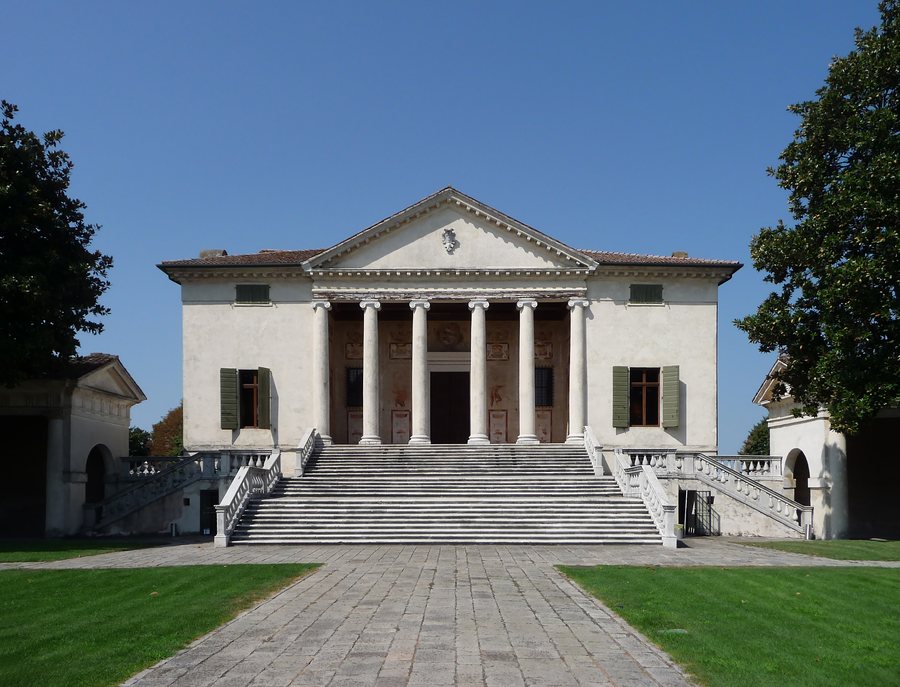 File:Villa Badoer Fratta Polesine facciata by Marcok 2009-08-16 n07.jpg
Photo: Marcok / it.wikipedia via Wikimedia Commons, CC BY-SA 3.0
File:Villa Badoer Fratta Polesine facciata by Marcok 2009-08-16 n07.jpg
Photo: Marcok / it.wikipedia via Wikimedia Commons, CC BY-SA 3.0
Fratta Polesine combines cultural history with unique water experiences. If you are looking for a holiday apartment in Fratta Polesine, you can tailor your stay to different interests: Villa Badoer and several museums offer historical perspectives, while Pizzòn, with its waterways, a mill, and canoe and boat trips, provides a different focus. This makes the destination interesting if you want to combine different kinds of discoveries when travelling with children.
Cultural History with Outstanding Individual Sites
The Museo Archeologico Nazionale di Fratta Polesine presents evidence from the Frattesina settlement. This settlement is dated to the 12th to 9th centuries BC, possibly extending to the beginning of the 8th century BC, and is attributed to the Late Bronze Age, the Proto-Villanovan culture, and the beginnings of the Iron Age.
Architectural history is the focus at Villa Badoer. It was built between 1556 and 1563 by Andrea Palladio for the Venetian nobleman Francesco Badoer and has been listed as a UNESCO World Heritage Site since 1996. This gives it a clear historical focus for a stay in which architecture and history belong together.
The Giacomo Matteotti House Museum was established in 2004 under Law 255/2004 as a memorial site and preserves the original traces of the everyday life of Giacomo Matteotti and his family. The Casa Museo Giacomo Matteotti also features the typical tripartite layout of Venetian villas.
The surrounding area also broadens the cultural spectrum. The Museo Etnografico della civiltà e del lavoro in Polesine is located in Palazzo Dolfin-Boniotti, now known as “Manegium”, and includes a historical-documentary exhibition about the Carboneria in Polesine. Galleria Il Melone Arte Contemporanea is a museum in the area around Fratta Polesine. Palazzo Roncale is a palace in the surrounding area, the Civic Museum Civiltà in Polesine is a museum, and Due Torri di Rovigo is a fortress.
Water, a Mill and the Regional Landscape
Pizzòn is a village in the municipality of Fratta Polesine where the Scortico River, which comes from the Adige, meets the Tartaro-Canalbianco, an old branch of the Po. This precise relationship between the rivers gives the place a distinctive landscape character.
The Mulino al Pizzon, built in 1842, houses the permanent exhibition “La battaglia del grano in Polesine 1925-1932”. Visitors can take canoe and boat trips from the Mulino al Pizzon. This combines regional history with an active stay on the water.
In the wider regional area around Fratta Polesine lies Isola Bianca, an island. The area around Fratta Polesine also includes Parco Rosetta Pampanini, Parco Lisieux, and Parco Alexander Langer; all three are parks.
Choose a Holiday Apartment Based on Your Travel Interests
When choosing a holiday apartment or holiday home, you can therefore take your preferred focus into account. Those particularly interested in early history, Venetian architecture, and personal commemorative history will find several different themes in Frattesina, Villa Badoer, and the Matteotti sites. If water and the regional landscape are more important, Pizzòn and the Mulino al Pizzon move to the forefront. This allows you to choose accommodation suited to your own travel plans without limiting your stay to just one type of experience.
Check prices, availability, and amenities for your travel dates directly on Booking.com.
View Accommodation and OffersAdvertisement · Affiliate link to Booking.comMore Destinations for Your Travel Planning
For further travel planning, you can also discover Castelnovo Bariano, Rosapineta, Bonelli Di Porto Tolle, Lendinara, Porto Tolle, San Martino Di Venezze, San Basilio and Rovigo.
To the higher-level travel overview: Rovigo.

