
Holiday apartment in Turri: Saffron, festivals and farming heritage
Accommodation in Turri
Turri is a place where an agricultural landscape, saffron fields, traditional festivals and historical evidence exist side by side. This combination makes the town interesting for a trip that aims to bring together fields, farming culture and history. If you choose a holiday apartment in Turri, you can plan your stay around the season, festival dates or historical themes.
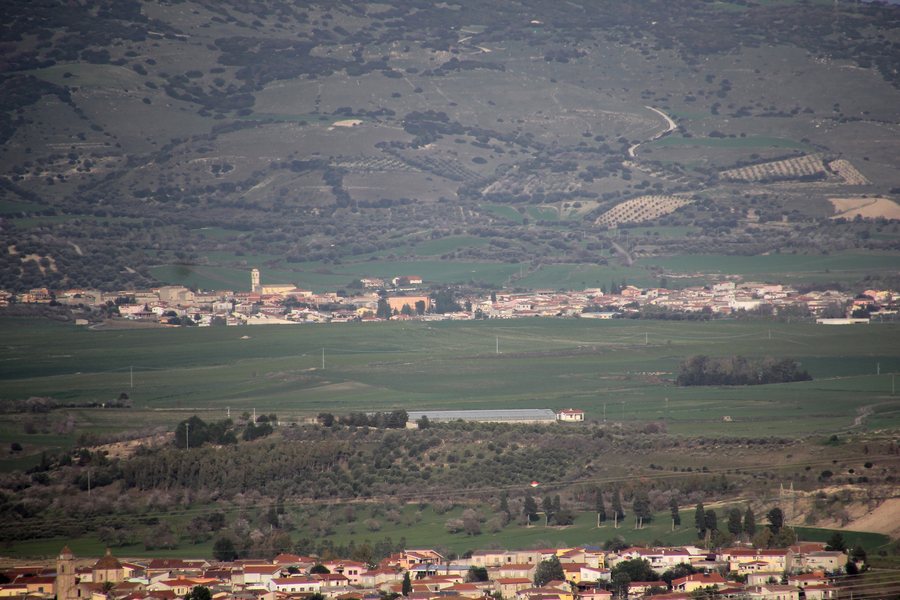
Holiday apartment in Turri: fields, saffron and the seasons
Turri’s agricultural landscape changes throughout the year as the cultivated crops change. A clear seasonal highlight is the second Sunday in November: visitors can then view blooming saffron fields and take part in harvesting and cleaning the flowers. Those who plan their trip around this date can gain a specific insight into an agricultural work process. When choosing a holiday apartment in Turri, this November date can therefore determine the most suitable travel period.
Festivals with agricultural and religious traditions
The festivals are also spread throughout the year, each with its own focus. The grain harvest and threshing festival, Festa Regionale della Mietitura e Trebbiatura del Grano, has been held in Turri every year on the first Sunday in July for more than two decades. The Feast of San Sebastiano on 20 January is Turri’s patronal festival and includes religious ceremonies as well as a procession through the town’s streets. On the first Sunday in September, Turri hosts the Sagra del Melone; as part of this event, the Mostra degli Spaventapasseri, known as Is Mustaionis, is also included in the festival programme.
Farming heritage in the townscape
Turri still has numerous traditional farmhouses with large portals; the oldest portals date back to the 19th century. The Casa Museo dell’Arte Contadina conveys the realities of everyday rural life through furnishings, traditional clothing, equipment and tools used to produce grain, oil and wine. Su murzu is a snack consisting of bread, onions, cheese and sausage. Together, these themes show how closely agriculture, crafts, food storage and everyday life are interconnected.
Monte Granatico and historical traces
The Monte Granatico is housed in a building dating from the second half of the 19th century; Palladian decorations are located above the window lintels. It was a grain bank that lent grain to farmers on the condition that they repay it after the harvest. At the monumental cemetery of Sant'Elia, a carved stone believed to be the ancient baptismal font of Turri’s former Byzantine church preserves another historical trace. The church is now completely destroyed.
The remains of the Nuragic Cabonu in the Turri area lie on the border with the municipal territory of Ussaramanna, about one kilometre east of the town, on a hill at an altitude of 185 metres. The complex consists of a keep and four added towers and is now completely underground or buried. The Parco degli Ulivi Secolari is located in the Molinu area at the exit from Turri towards Tuili. Those who want to balance festivals, landscapes and historical themes when planning their trip will find several clearly defined points of interest among these different sites.
Discover more places in the surrounding area
For further orientation, consider Barumini, Villanovaforru, Collinas, Ingurtosu, Sardara, Arbus, Villamar and Pauli Arbarei.
For the broader travel overview: Medio Campidano.

.jpg)