
Holiday apartment in Campobasso: Culture, Nature and Procession
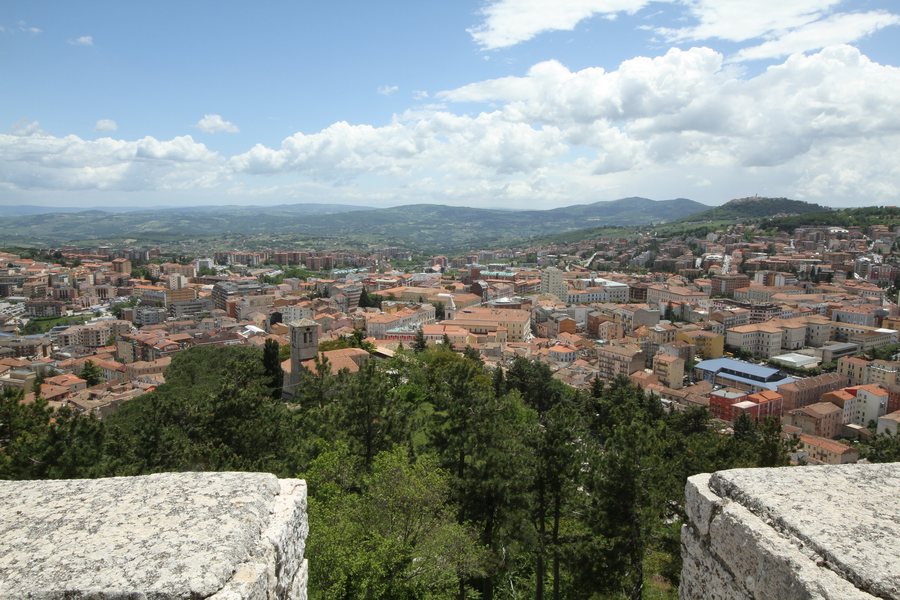 File:Old Town, 86100 Campobasso, Italy - panoramio - trolvag (9).jpg
Photo: trolvag via Wikimedia Commons, CC BY-SA 3.0
File:Old Town, 86100 Campobasso, Italy - panoramio - trolvag (9).jpg
Photo: trolvag via Wikimedia Commons, CC BY-SA 3.0
Campobasso reveals its distinctive character through an unusual combination of urban history, art, nature and living tradition. Historic churches and a castle meet museums, a panoramic path on Sant’Antonio hill, a garden area and a special procession. If you are looking for a holiday apartment in Campobasso, you can tailor your stay around culture, walks, events or regional flavours.
Holiday apartment in Campobasso between urban history and nature
Parco della Via Matris is a panoramic path that leads from the foot of Sant’Antonio hill to its summit. At the same time, it is a site of community importance in the city centre of Campobasso. Villa de Capoa adds a touch of greenery: the garden area, which covers almost 16,000 m², includes tree-lined avenues, hedges, small squares, winding paths, statues and fountains.
After the earthquake of Santa Barbara in 1456, Count Nicola II di Monforte had Castello Monforte rebuilt; the castle dominates the historic centre of Campobasso. Below the castle, you can walk along a slope through narrow, rustic lanes or up stairways. On short explorations, you will therefore encounter both the striking fortress and small-scale historic pathways.
Santuario di Santa Maria Del Monte was built in the late Middle Ages as a private chapel for the feudal lords of Campobasso. In 1572, Sant’Antonio Abate was converted by the Congrega delle Maestranze from an oratory located outside the city walls into a church; four Baroque altars frame important Neapolitan paintings from the 17th century. The original building of the Church of the Santissima Trinità was constructed in the early years of the 16th century at the instigation of Andrea De Capua. On 29 June 1927, it was elevated to cathedral status after the Holy See transferred the diocese from Bojano to Campobasso.
The Museo archeologico nazionale di Campobasso is housed in the 18th-century Palazzo Mazzarotta in the historic centre of Campobasso. It presents Samnite archaeological contexts as well as materials such as amber, ceramics, bronze, ivory, marble and funerary contexts. The Museo dei Misteri comprises two exhibition rooms and a screening room.
The Teatro Savoia was built between 1923 and 1925 and inaugurated in 1926. The entrance, foyer and the coved ceiling above the auditorium are decorated with frescoes by Arnaldo De Lisio from 1925. The Museo di Palazzo Pistilli conveys six centuries of art history through works from a once-private collection that was made public at the owners’ request.
On Corpus Christi Sunday, the Misteri, thirteen procession machines carried by people, make their way through the streets of Campobasso. This event creates a distinctive focal point where religious tradition, the cityscape and shared attention meet. The culinary side includes L’Abatina, a particularly spicy De.Co. sausage.
You can also visit the following places: Guardiaregia, San Biase, Portocannone, Montecilfone, Tavenna, Marina Di Montenero, Castropignano and Riccia.
To the main travel overview: Campobasso.
Check prices, availability and amenities for your travel dates directly on Booking.com.
View accommodations and offersAdvertisement · Affiliate link to Booking.com
.jpg)