
Holiday apartment in Castello Cabiaglio: stone village, forest and culture
Accommodation in Castello Cabiaglio
A stone village, forest and a distinctive local character
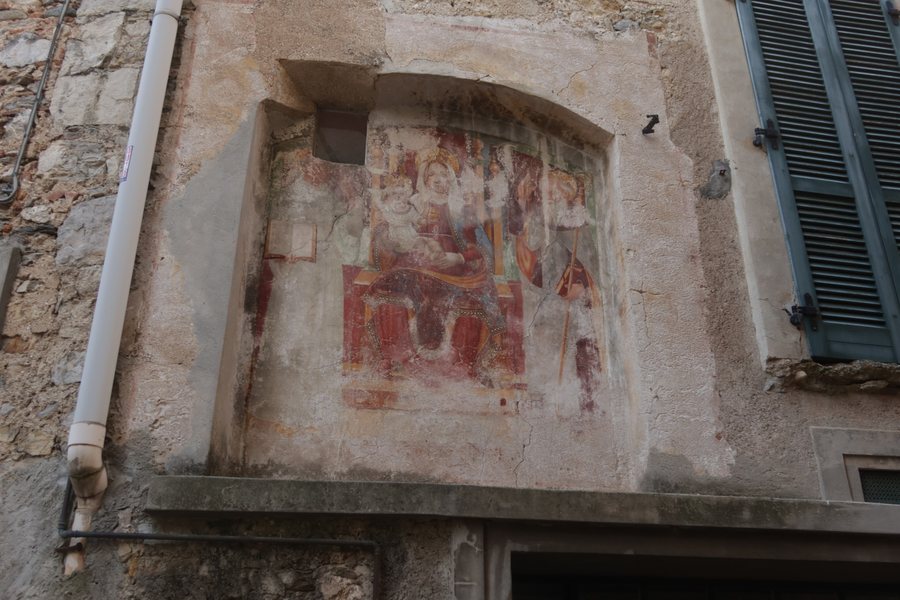
Castello Cabiaglio begins with a well-preserved piece of rural history. Part of the old rural stone village has been preserved with narrow arcaded lanes. The lanes give the townscape a tangible historical character and provide a fitting introduction to days in which you can combine nature, culture and regional highlights.
Castello Cabiaglio lies in Campo dei Fiori Regional Park, the Parco Regionale Campo dei Fiori, amid beech and chestnut forests.
Nature at the Torbiera del Carecc
The Riserva Naturale Orientata della Torbiera del Carecc plays a special role. The Riserva Naturale Orientata della Torbiera del Carecc is surrounded by meadows and beech forests. Among other plants, marsh marigold, yellow flag iris, dark columbine and small gentian grow in the marsh. The amphibians observed there include the great crested newt, agile frog and many salamanders. A few specimens of the rare Lataste’s frog have also been observed. Anyone who values landscapes and biodiversity when planning a trip will find a clear natural highlight here alongside the historic townscape.
Trails with different profiles
The trails around the marsh also offer various points of reference for planning. A branch of Sentiero 10B/310B follows a level path along the Torbiera del Carecc for about 1 kilometre. The route passes a small cascade and joins the SP45 shortly before Castello Cabiaglio. Another landmark is Trail No. 3, which ends at the junction with the SP45. From there, before reaching the centre of Castello Cabiaglio, you can get to the Riserva Naturale Orientata “Torbiera del Carecc” by turning left and following the provincial road for a few hundred metres. The different trail lengths and routes make it easier to arrange nature observation and a visit to the town according to your daily rhythm.
Churches, finds and cultural sites
Castello Cabiaglio also has archaeological and sacred heritage. The finds discovered in 1889 included around ten Roman cremation graves, as well as glass and iron objects and bronze coins from the 1st century BC. In the deconsecrated Chiesa sconsacrata di San Carlo, a precious carved wooden altar preserves historic furnishings. There is also a painting from 1646 by the painter Miradori from Cremona, known as il Genovesino.
Today, the Oratorio, or deconsecrated Chiesa sconsacrata di San Carlo, serves as a venue for exhibitions and concerts. The Chiesa di Sant’Appiano has Baroque interiors with paintings, stucco and illusionistic architectural decorations by the painter Giovan Battista Ronchelli. Another cultural site is the Oratorio della Beata Vergine del Ronchetto, which can be reached via a Way of the Cross, the Via Crucis.
Discover more destinations
For further travel planning, you can also explore Azzate, Cuasso al Monte, Capolago, Cittiglio, Ardena Di Brusimpiano, Brusimpiano, Brinzio and Gazzada Schianno ansehen.
For the higher-level travel overview: Varese.

