
Discover Santa Margherita – History and Hiking Trails
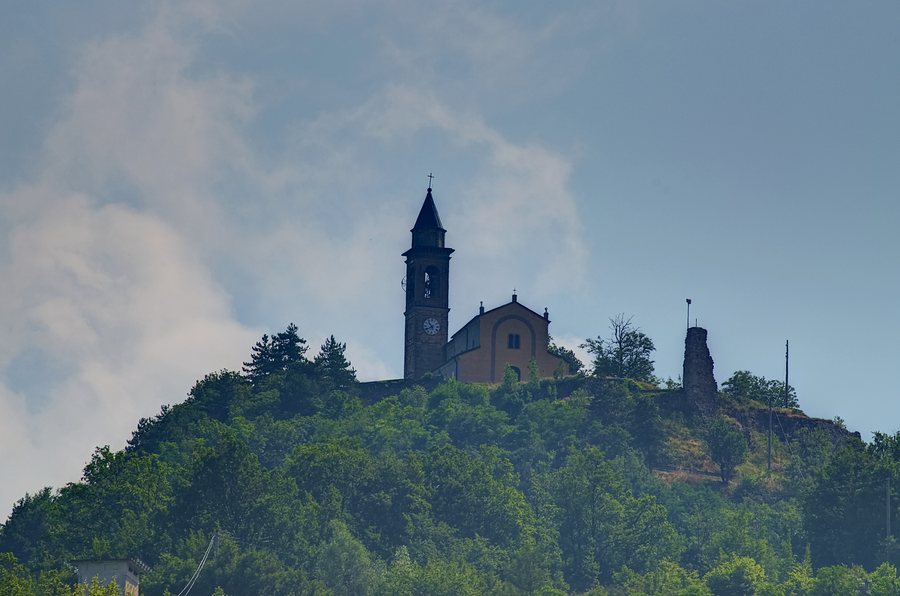 File:Chiesa di Santa Margherita, telefoto - panoramio.jpg
Photo: Terensky via Wikimedia Commons, CC BY 3.0
File:Chiesa di Santa Margherita, telefoto - panoramio.jpg
Photo: Terensky via Wikimedia Commons, CC BY 3.0
Santa Margherita combines a striking elevated location with paths, churches and regional culture. The village lies 800 metres above sea level on the right bank of the Torrente Staffora, almost sheer above the Staffora Valley. From here, you can enjoy beautiful views over the valley. When choosing a holiday apartment in Santa Margherita, you can weigh the landscape, elevation and history as different priorities when deciding where to stay.
Holiday apartment in Santa Margherita amid lanes and architectural history
The paved lanes and stone houses give Santa Margherita a distinctive appearance. The Church of Santa Margherita stands at the highest point of the village. The Chiesa di S. Margherita has a single-nave layout and two side chapels on each side. The Church of Santa Margherita was completed between 1523 and 1595. A walk through the village therefore leads from its elevated setting and stone buildings to a church with a long history of construction. Staying in Santa Margherita is therefore particularly well suited to a visit in which the immediate character of the village is just as important as excursions into the surrounding area.
Culture and historic traces in the Staffora Valley
The village of Santa Margherita is home to the ruins of the castle of the Malaspina marquises. Another historic trace can be found in Massinigo: the Roman kiln complex is one of the best-preserved Roman kiln complexes in Lombardy and is so far the only one documented in the Oltrepò Pavese. The permanent nativity scene is another part of the local attractions. It was created by renovating an old stable and uses figures made from marble dust. This old stable also contains a stone arch dating from the 18th century. The permanent nativity scene is accessible directly from the road leading to the historic centre of Massinigo.
The Museo del Salumiere preserves and passes on knowledge of how Salame di Varzi is made. A butcher's shop there has been arranged as it looked in the 1930s. The regional perspective extends beyond Santa Margherita: the Ecomuseo Il grano in erba encompasses the municipalities of Santa Margherita Staffora, Brallo di Pregola, Menconico and Romagnese (PV). For a holiday apartment in Santa Margherita, this connection opens up various focal points between local history, craftsmanship, regional food culture and the landscape.
Hiking trails and special traditions
The Sentiero dei Brignati is an approximately 5-kilometre-long hiking trail connecting the villages of Brallo and Fego. It passes through the small village and descends along a mule track to the Bosco dei Giganti, a forest of centuries-old chestnut trees. At the Ecomuseo Il grano in erba, you can walk historic routes such as the Via del Sale. The circular Giro ad anello lungo la Via del Sale begins and ends in Santa Margherita di Staffora (PV). This gives you both an approximately five-kilometre connection between two villages and a circular route starting and ending in Santa Margherita di Staffora to include in your plans. The regional experience is complemented by the historic carnival of Cegni, which is celebrated twice a year.
Other places for your travel plans
If you would like to combine Santa Margherita with other destinations in the surrounding area, you can also find Montecalvo Versiggia, Romagnese, Rovescala, Spessa, Sant'alessio Con Vialone, Pavia, Vidigulfo and Carmine here as well.
Check prices, availability and amenities for your travel dates directly on Booking.com.
View accommodation and offersAdvertisement · Affiliate link to Booking.comTo the main travel overview: Pavia.

