
Holiday apartment in Gaggiano: Water, History and Nature
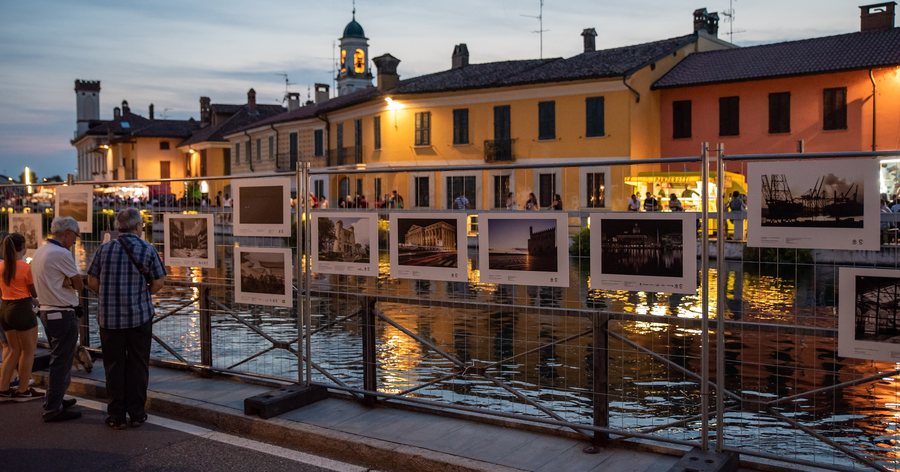
Gaggiano combines the history of water engineering, art, and natural landscapes. The Naviglio Grande, Ponte Vecchio, frescoes, palaces, museums, parks, and Lago Boscaccio offer different ways to experience the area. If you are looking for a holiday apartment in Gaggiano, you can shape your stay around culture, water, and the town’s rural surroundings.
Holiday apartment in Gaggiano between water and history
Gaggiano’s historical importance is linked to the Naviglio Grande. Construction began around 1177 and initially ended in this town. The exact construction date of Ponte Vecchio is unknown, but the bridge was already in use in the 14th century. In 1869, it was rebuilt in the same form as its predecessor.
On the left bank of the Naviglio, Palazzo Stampa Aloardi–Villa Marino is just a few steps from Ponte Vecchio. In the immediate surroundings of Gaggiano are Castelletto di Gaggiano, a palace, and Goppion, a museum. The area also includes Parco Sandro Pertini and Parco Travaglia; both are parks.
Frescoes, palaces, and local heritage
Religious and commemorative heritage also offers distinctive points of interest. The oldest fresco in the Santuario di Sant’Invenzio is the Madonna delle Grazie. It is dated to 1388 and is probably attributed to Erghieri. Within the Certosa di Vigano complex, the Oratorio di Sant’Ippolito contains frescoes whose execution was entrusted to Aurelio and Giovan Pietro Luini in 1578. In 1400, Gian Galeazzo Visconti assigned the building and the surrounding agricultural land of the Certosa di Vigano to the Certosa di Pavia. Since 1915, the Piccolo Museo dei Combattenti e Reduci has preserved war memorabilia as well as portraits of all those from Gaggiano who died in war and of many veterans.
Landscape between parks, lakes, and waterways
The surroundings of Gaggiano include the Arco della Pace and Porta Garibaldi, each a natural arch. Lago Boscaccio is notable for its particularly diverse bird and fish life. As part of the “il canneto del Lago Boscaccio” project, a wetland was created for migratory waterfowl; around 180 bird species find refuge around the lake. The Gamberina continues to serve two functions: it acts as a relief channel for the Naviglio and as an irrigation ditch, running 12 km southward. Approximately 24 km² of Gaggiano lie within Parco Agricolo Sud Milano.
This range of attractions can help you choose the area that suits you personally. Those who place the history of the Naviglio, Ponte Vecchio, and the frescoes at the forefront will have different priorities from someone who especially wants to focus on the bird and fish life, the wetland, or the agricultural surroundings. When looking for a holiday apartment in Gaggiano, you can use these specific themes as a guide to the pace of travel you want.
Other places to help you explore the region
For further regional orientation, you can also include Arese, Cerro Maggiore, Cormano, Zibido San Giacomo, Peschiera Borromeo, Cambiago, Baranzate, and Pogliano Milanese in your plans.
For the main travel overview: Milan.
Check prices, availability, and amenities for your travel dates directly on Booking.com.
View accommodations and offersAdvertisement · Affiliate link to Booking.com
