
Holiday apartment in Mantova: Renaissance, Water and Culture
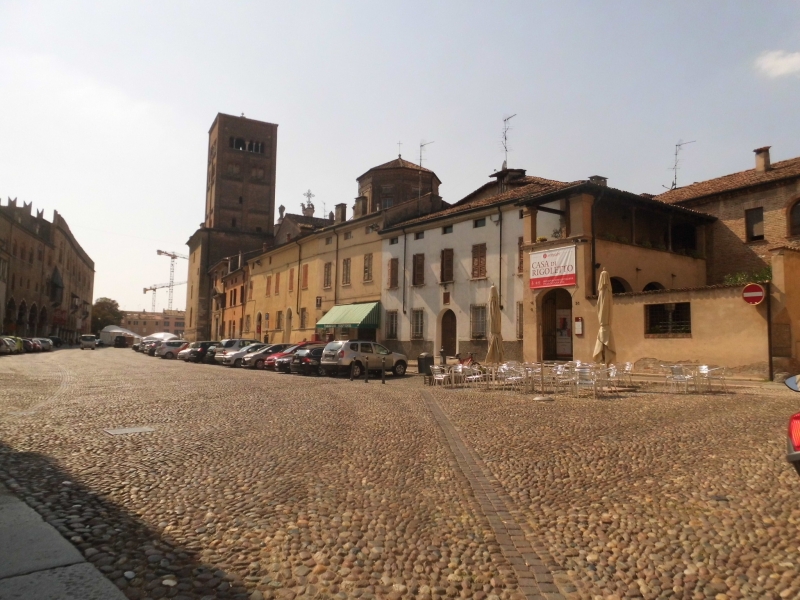
Anyone planning a holiday apartment stay in Mantova will discover a city where the Renaissance, its watery landscape and vibrant culture are closely interconnected. Mantova bears traces of Roman times and was renewed in the 15th and 16th centuries through hydraulic engineering, urban planning and architectural measures. Together with Sabbioneta, the city is an exceptional testimony to the urban-planning, architectural and artistic achievements of the Renaissance, which were connected with the ideas and work of the ruling Gonzaga family.
Holiday apartment in Mantova between water and the historic centre
Mantova is surrounded on three sides by artificial lakes formed by the River Mincio. This special location complements the historic cityscape with a distinctive water theme. Mantova railway station at Piazza Don Leoni is also important for orientation when planning your trip: it is only a few minutes' walk from the historic centre. When choosing where to stay, you can therefore focus on the city's history, walks through the centre or the landscape along the Mincio, without having to combine the different interests.
Palazzo Ducale, churches and Renaissance art
The Palazzo Ducale is one of Italy's most extensive and highly articulated architectural complexes. It has housed a state museum since the beginning of the 20th century. The Palazzo Ducale also includes the Camera degli Sposi in the Castello di San Giorgio, a masterpiece decorated with frescoes by Andrea Mantegna. In this historic complex, you can therefore encounter both the scale of Gonzaga architecture and a particularly important example of Italian art.
The Basilica di Sant'Andrea was built by Luca Fancelli based on a design by Leon Battista Alberti and completed in 1494. Its crypt contains a chest with the Sacri Vasi, precious ampoules said to contain the blood of Christ, which the legionary Longinus is believed to have collected together with soil from Golgotha. The Rotonda di San Lorenzo provides a different architectural accent: it is a rare example of Romanesque architecture in the Po Valley, with a circular floor plan, ambulatory and matroneum, all decorated with contemporary frescoes.
Music, events and cycling along the Mincio
The Teatro Scientifico Bibiena was built between 1767 and 1769 primarily for scientific gatherings and was also open for theatre performances and concerts. It continues to be used for music series, concerts and high-level conferences. This makes the building a place where its historical purpose and contemporary cultural life meet directly.
Anyone wishing to combine Mantova with activity in the countryside will find a clearly described route in Ciclovia 1 – Mantova – Peschiera. It connects Mantova and Peschiera over 43.5 kilometres, runs along the embankments of the Mincio and artificial canals, and follows an independent cycle and pedestrian path throughout its route within the Parco Regionale del Mincio. The stated length helps you realistically incorporate this focus into your daily planning.
Mantova also has its own culinary hallmark: Torta Sbrisolona is a symbol of the Mantuan confectionery tradition. Together with the Renaissance buildings, churches, theatre and watery landscape, it creates a destination where you can choose a holiday apartment according to very different holiday priorities – art and architecture just as much as river landscapes, cycle paths and the region's confectionery tradition.
For further destination options, you can also choose Correggioverde, Medole, Volta Mantovana, Pomponesco, Libiola, Casaloldo, Barche and Solferino.
For the broader travel overview: Mantua.
Check prices, availability and amenities for your travel dates directly on Booking.com.
View accommodation and offersAdvertisement · Affiliate link to Booking.com