
Holiday apartment in Libiola: History, festivals and the Po landscape
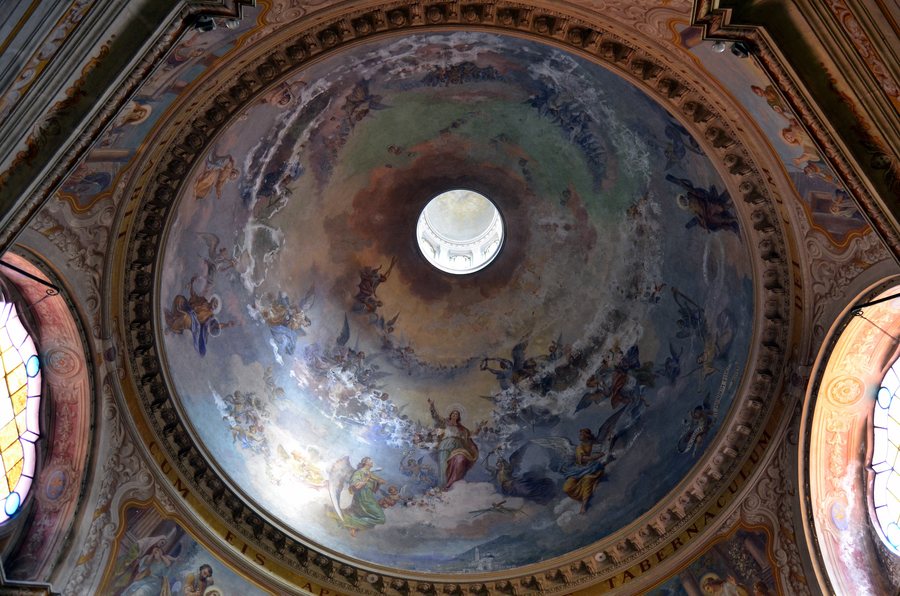 File:Santa Vittoria di Libiola (Sestri Levante)-chiesa santa vittoria-interno cupola 2021.jpg
Photo: Davide Papalini via Wikimedia Commons, CC BY-SA 4.0
File:Santa Vittoria di Libiola (Sestri Levante)-chiesa santa vittoria-interno cupola 2021.jpg
Photo: Davide Papalini via Wikimedia Commons, CC BY-SA 4.0
Libiola combines the landscape of the lower Po Plain with a remarkable local history and a vibrant festival culture. The town lies on the left bank of the Po and emerged in the Middle Ages, between the 10th and 11th centuries, on elevated ground along the Po’s former channels. Those looking for a holiday apartment in Libiola will find a destination that brings the river landscape, historical development and regional traditions closely together.
Holiday apartment in Libiola between river landscape and history
The town’s history dates back to the Middle Ages. Libiola had a Matildine church, which was later destroyed by frequent flooding. The former transport connection also points to the importance of the location: an important road linking Ostiglia and Mantua ran through Libiola in the area of today’s main embankment. Here, you therefore encounter several historical layers, from settlement development along the Po’s former channels to the regional connection between Ostiglia and Mantua.
A specific cultural landmark is the parish church of Santa Cecilia in Libiola, which is considered worth seeing. The church is also the focus of a local festival: the feast, or Sagra, in honour of Saint Cecilia is celebrated on 22 November or on the following Sunday.
Festivals and regional cuisine
The Sagra di Libiola is a traditional festival whose origins can be traced back to the 15th century. It takes place on the second Sunday in May, thereby adding another fixed date to the annual calendar alongside the celebration in honour of Saint Cecilia. Traditional festival menus in Libiola include risotto with salamelle. Local cuisine is thus directly connected with the festivals and the community spirit of the town.
Nature and regional discoveries
Isola Mafalda, a floodplain area with typical river habitats and great biodiversity, lies near Libiola. This natural area creates a clear contrast with the town’s historical themes and offers a second perspective on the Po landscape. The wider region around Libiola also includes the Museo Civico Mirandola museum, Soardi Palace, the Museo storico dei vigili del fuoco museum and Castle of Saint George.
Smaller green spaces are also part of the regional offering: the wider region around Libiola includes Piazzale Costa park and the Giardini di Piazza Anconetta, Giardini Marani and Giardini di Piazza Lega Lombarda gardens. This allows cultural themes, river nature and gardens to be considered as different focal points when planning your trip, without limiting Libiola to just one type of stay.
Plan the right stay in Libiola
When choosing accommodation in Libiola, you can use the town’s documented themes as a guide: the Po Plain and Isola Mafalda appeal to those interested in river landscapes and biodiversity, while Santa Cecilia, the town’s history and the Sagra dates add cultural and historical highlights. A holiday apartment in Libiola therefore provides a clear starting point for planning if you would like to combine historical impressions, regional cuisine and nature observation.
For further orientation in the region, you can also find Casaloldo, Gabbiana, San Benedetto Po, Rodigo, Marcaria, Poggio Rusco, Ostiglia and Barche.
For the overarching travel overview: Mantua.
Check prices, availability and amenities for your travel dates directly on Booking.com.
View accommodation and offersAdvertisement · Affiliate link to Booking.com
-chiesa_santa_vittoria-interno_cupola_2021.jpg)