
Cerano d’Intelvi: Churches, Forest Paths and Holiday Apartment
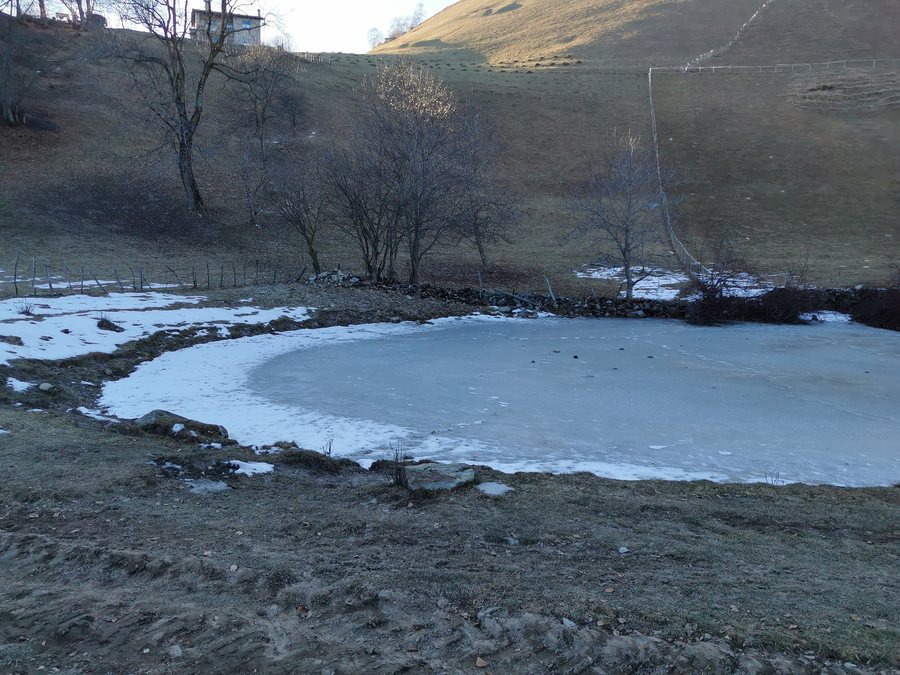
Cerano d’Intelvi lies in the centre of the lower Valle d’Intelvi, on the right-hand side of the Torrente Telo. Its branch flows into the Lario at Argegno. This location provides the geographical setting for a place where traces of ecclesiastical history, museums and paths through the landscape come together.
Churches and historic architecture
Among the notable religious buildings is the Chiesa di San Tomaso, which has been the parish church of Cerano d’Intelvi since 1556. Its bell tower is called the Torre di Teodolinda and was originally part of the defence system of the Valle Intelvi. The Chiesa dei SS. Quirico e Giulitta preserves a medieval apse from the 11th or 12th century. This apse contains original paintings from the 13th and 14th centuries. Those interested in older architecture and traditional visual art can directly connect several eras here.
The Chiesa di San Zeno was built in the 12th century on the summit of the Monte San Zeno of the same name. The church was reconstructed and reopened for worship in 2000. The route from Pian delle Alpi to the church takes about an hour and is considered easy from this starting point.
Crafts, agriculture and local history
Another focus is on the museums of Cerano d’Intelvi. The Museo dello Stucco e della Scagliola Intelvese documents the history and artisanal tradition of stucco and scagliola in three exhibition areas. It is housed in a wing of the 16th-century Palazzo Perlasca-Pinchetti, which dates from 1608. The museum was founded in 1989. Thus, the history of a historic building and the development of a regionally distinctive craft come together in one house.
The Museo del Latte preserves the technological and ethnographic traditions of milk processing in the Valle d’Intelvi. It was established in the “Latteria di Cerano” for exhibition and educational purposes and serves to convey knowledge of agricultural resources and the local heritage. In this way, the history of milk processing adds an agricultural perspective to the town’s ecclesiastical and architectural history themes.
Forest paths, sculptures and dialect
The walking path through the Valgranda leads through an impressive forest tunnel with centuries-old beech and chestnut trees. Another route follows the Valle dei Mulini: the walking path runs along an old mule track between Dizzasco and Cerano d’Intelvi.
In the Parco delle Fiabe, the “Le voci della mia terra” initiative features poetic panels that incorporate the local dialect. They are located among sculptures and panoramic views.
Discover other places in the same area
Anzano Del Parco, Faggeto Lario, Rovello Porro, Cremia, Montemezzo, Acquaseria, San Nazzaro Val Cavargna and Menaggio.
To the overarching travel overview: Como.
Check prices, availability and amenities for your travel dates directly on Booking.com.
View accommodations and offersAdvertisement · Affiliate link to Booking.com
.jpg)