
Holiday apartment in Gratacasolo: Trails, San Zenone and Millstones
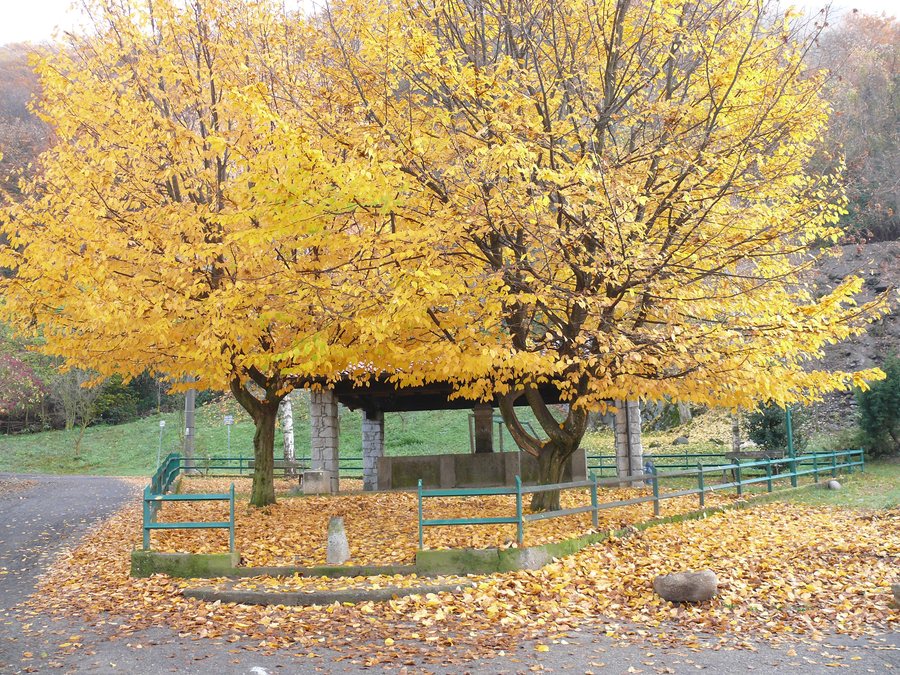 File:I colori dell'autunno a Gratacasolo di Pisogne - panoramio.jpg
Photo: pacj via Wikimedia Commons, CC BY 3.0
File:I colori dell'autunno a Gratacasolo di Pisogne - panoramio.jpg
Photo: pacj via Wikimedia Commons, CC BY 3.0
Gratacasolo lies on the valley floor within the municipality of Pisogne. The village combines trails through the area with traces of ecclesiastical, mining and craft history. When choosing a holiday apartment in Gratacasolo for your stay, you can plan your visit around whether you want to focus on trail stages, local history or the tradition of millstones.
Holiday apartment in Gratacasolo: trails and discoveries
The fourth stage of the Via Valeriana from Pisogne to Darfo Boario Terme passes through Gratacasolo. In Gratacasolo, the route follows Via Mistrali, Via Castello, Via don Negri and Via del Forno, then continues along a small path to the embankment of the Re di Gratacasolo stream. Sentiero 203 (EF) begins in the upper part of Gratacasolo, follows Via Castello and reaches Fraine after approximately 1 hour and 30 minutes. Sentiero 203 A begins in Gratacasolo at Sentiero 203, passes close to Agriturismo Gippone and reaches Sonvico after approximately 40 minutes. The different timings help you weigh up shorter and longer plans for your holiday days.
San Zenone and the history of the village
The Chiesa di San Zenone was built over an older church that lay in ruins in 1625; part of this older church was incorporated into the new building. Its façade is articulated by four larger-than-life-size pilasters, while the portal is made of white stone. The parish of Gratacasolo was established in 1731. A chronicle from Pisogne dating from 1820 reports that, centuries earlier, Gratacasolo had been a lordship of the Gratacasolei. Only a few ruins of the old fortress of Gratacasolo remain visible.
The historic Via del Ferro also tells of the region's connections: it linked the mining area of Pisogne via the Colle di San Zeno with Valtrompia, and via Gratacasolo and Beata with Valcamonica, where iron goods were produced. In the Parco delle Macine in Gratacasolo and Pisogne, the various stages of stoneworking at a proto-industrial site are still preserved. The production of millstones in the area of the Parco delle Macine has been documented since the 15th century.
Millstones, forest trails and local traditions
The walk to the millstone quarries of Gratacasolo takes no more than approximately two hours. In the forests of Pisogne, semi-finished, abandoned millstones covered with moss can be found along the trails. Another local feature is the San Zenone patronal festival in Gratacasolo: it combines traditional religious celebrations such as Mass and a procession with food stalls, market stalls and entertainment events.
Discover more places: If you would like to view other destination pages for your travel planning in addition to Gratacasolo, you can find Gardola, San Gervasio Bresciano, Arveaco, Paderno Franciacorta, Sale Marasino, Bari, Cecina and Anfo here.
For the higher-level travel overview: Brescia.
Check prices, availability and amenities for your travel dates directly on Booking.com.
View accommodation and offersAdvertisement · Affiliate link to Booking.com
