
Holiday apartment in Pumenengo: Castello Barbò and Parco Oglio Nord
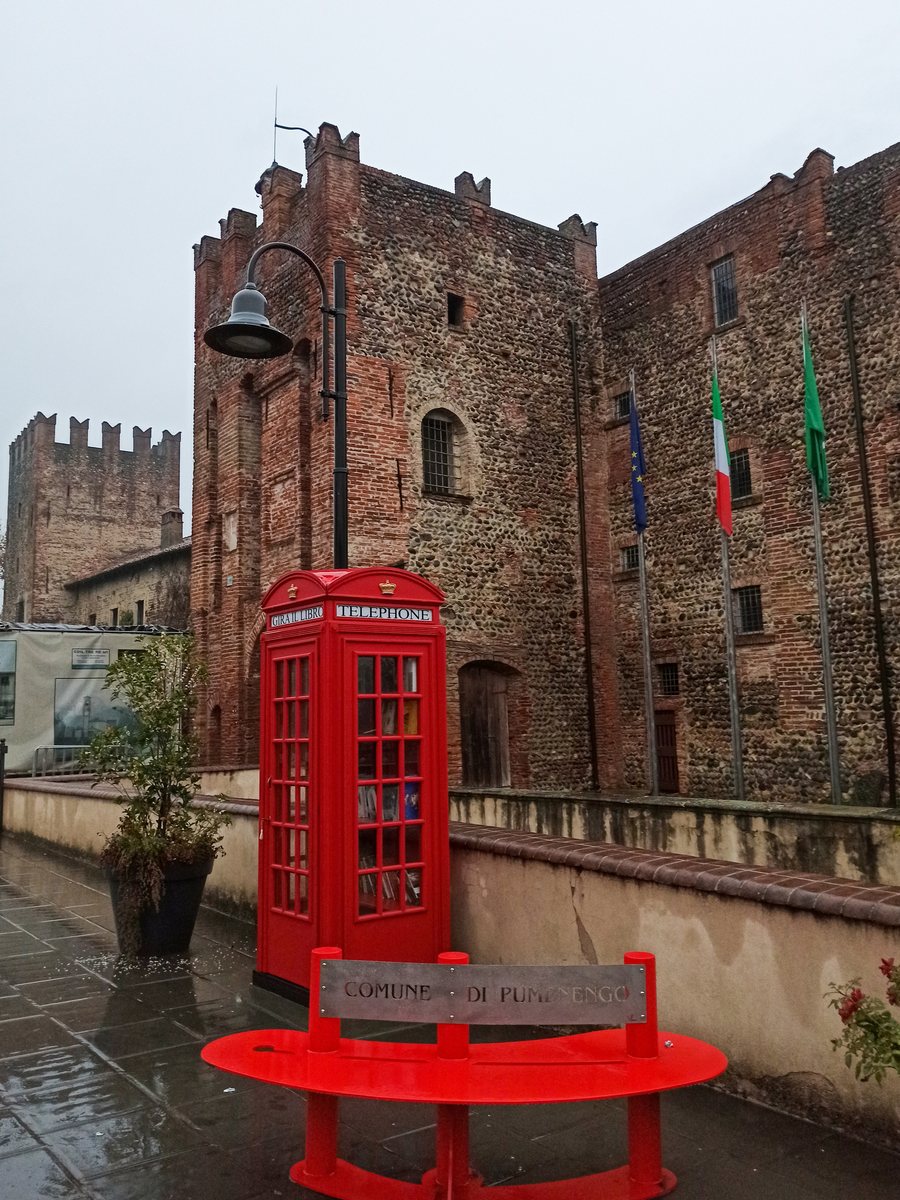
Pumenengo between parkland and architectural history
Pumenengo is located in Parco Oglio Nord. At the same time, several buildings with distinctive character shape the destination: Castello Barbò, the Santuario della Madonna della Rotonda, the parish church, and the palazzi. They offer different ways to explore architecture, local history, and religious themes. If you are looking for a holiday apartment in Pumenengo, you can therefore first consider whether you would like to focus your stay more on architectural forms, historical narratives, or the park's natural setting. This allows you to link your choice of location to your personal interests.
Castello Barbò and its distinctive form
Castello Barbò stands out for its trapezoidal floor plan. The complex includes three towers. Only traces of the northeastern tower remain, while the other two are clearly visible. Preserved elements and features that survive only in traces therefore stand side by side in the same building. This provides a vivid way for children and adults to consider different states of preservation together.
The location of Castello Barbò also shapes its architectural impression. It stands on raised ground touched by the Naviglio Pallavicino, above the valley leading to the Oglio River. Access is from the west via a bridge that replaced the former drawbridge. Topography and the architectural access feature are therefore details that you can bring together as you orient yourself on site.
Churches and religious tradition
The Santuario della Madonna della Rotonda was built in 1588. Its origins are associated with gratitude for the apparition of the Virgin Mary to a deaf-mute man who subsequently regained his speech. The parish church, dedicated to the apostles Santi Pietro e Paolo, stands next to Castello Barbò. In Pumenengo, sacred architecture, religious tradition, and castle construction can therefore be discovered as different cultural points of reference.
Palazzi with clear architectural features
Palazzo Secco stands on Via Roma and was built in the 16th century by Count Antonio Secco. Palazzo Sauli Gattorno has an L-shaped overall floor plan and a hall with a monumental fireplace. Alongside towers and bridges, the focus here is on the shape of the floor plan, the layout of the rooms, and a striking furnishing detail. For travellers interested in culture, this creates a varied sequence of observations in which the exterior and interior complement each other conceptually.
Check prices, availability, and amenities for your travel dates directly on Booking.com.
View accommodation and offersAdvertisement · Affiliate link to Booking.comOther destinations in the area
Villa Mazzotti, a palace, is located nearby. The Museo d'Arte e Cultura Sacra, a museum, is also in the surrounding area. Both destinations broaden the cultural perspective beyond the buildings mentioned in the town and provide additional thematic points of reference for planning your day.
Choose a holiday apartment in Pumenengo to suit your travel plans
When choosing a holiday apartment in Pumenengo, you can use these themes as guidelines for your planning. If historic buildings are to be the focus, the town's history offers several different architectural points of interest. Religious themes lead to the sanctuary and the parish church, while Parco Oglio Nord provides the natural setting. For travellers with different interests, it may be useful to base the accommodation decision on the desired mix of culture, architectural history, and natural surroundings. This keeps Pumenengo open to a stay that combines several themes.
More places for planning your trip: Stezzano, Brusaporto, Solto Collina, Adrara San Rocco, Piazzatorre, Villassio, Bariano, Bracca
To the higher-level travel overview: Bergamo.

