
Holiday apartment in Friuli-Venezia Giulia
Accommodation in Friuli-Venezia Giulia
Friuli-Venezia Giulia is a region where you can combine the Adriatic coast, cities, rolling hills, and mountains in one trip. That is exactly what makes it appealing for families looking for variety rather than just one type of holiday.
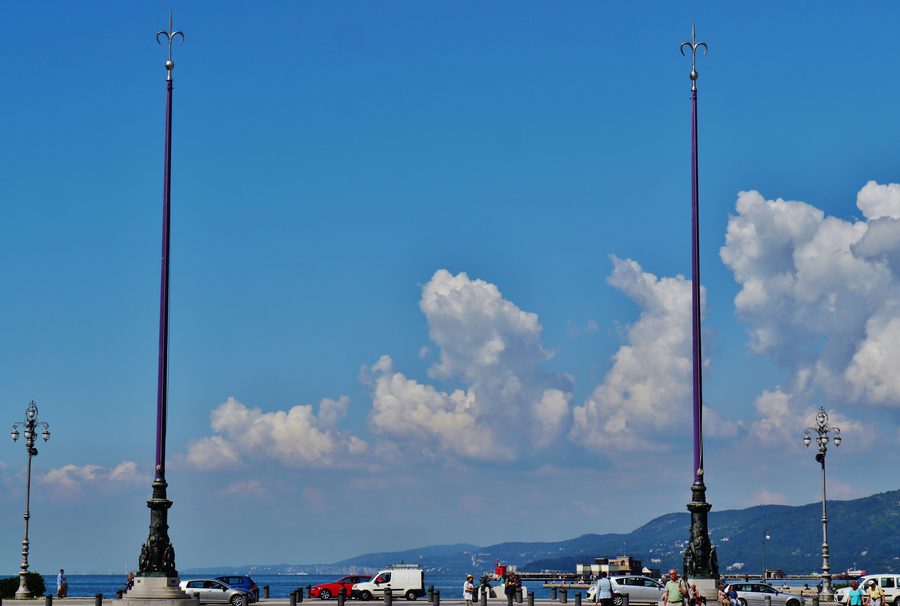 Piazza dell'Unità d'Italia in Trieste, the capital of Friuli-Venezia Giulia on the Adriatic coast.
Photo: Zairon via Wikimedia Commons, CC BY-SA 4.0
Piazza dell'Unità d'Italia in Trieste, the capital of Friuli-Venezia Giulia on the Adriatic coast.
Photo: Zairon via Wikimedia Commons, CC BY-SA 4.0
Quick facts
- The region is in northeastern Italy and stretches from the Adriatic coast into mountainous landscapes.
- Trieste is the capital and the most important urban cultural center.
- Important centers include Trieste, Udine, Gorizia, and Pordenone.
- The cuisine combines Italian influences with Central European and Slovenian influences.
- Typical dishes include polenta, Prosciutto di San Daniele, frico, jota, and Montasio.
Why the region is appealing for families
The region works better as a mixed base than as a purely beach or purely mountain holiday. You can combine city visits, trips to the sea, and excursions into the mountains, and plan your days differently depending on your mood and the weather.
When choosing a base here, the individual place matters less than whether you want to set off in the morning toward the coast, a city, or the inland area. That is exactly why the region is interesting for families who want to combine day plans flexibly.
Which base suits which type of holiday?
If you want an urban base with culture and a seaside setting, Trieste and Gorizia are the obvious options. Trieste is the regional center with Habsburg flair, Art Nouveau architecture, and a seafront location; Gorizia complements the choice with a historic center and urban scenery.
If you are looking for a more inland, regionally rooted base, Udine and Pordenone are a good fit. Around Udine, the more down-to-earth Friulian cuisine becomes more noticeable, while Pordenone is an important regional hub. For families who prefer a more inland and regionally shaped base, this is often a better fit than the coast.
Short excursions with clear destinations
Friuli-Venezia Giulia works well if you do not need a big programme every day. In addition to the larger cities, there are compact destinations that fit well as a short excursion or stopover.
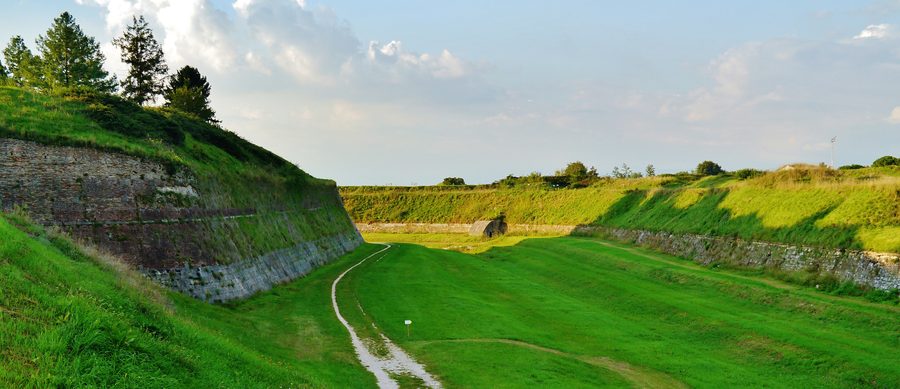
A striking example is Palmanova: the star-shaped historic town offers a clear contrast to the urban and coastal impressions of the region.
Food with regional character
Culinarily, too, the region has a distinct identity. Polenta, Prosciutto di San Daniele, frico, jota, and Montasio give the stay a clear profile, and the mix of Italian, Central European, and Slovenian influences makes the food especially memorable for many families.
Anyone traveling with children will find a practical advantage in this: the region offers not only varied landscapes, but also a food culture that suits a varied holiday very well.
Frequently asked questions about Friuli-Venezia Giulia
How does the mix of Adriatic coast, cities, and mountains help with family planning?
You can combine city visits, trips to the sea, and excursions into the mountains in one journey. For families, that is practical if you are looking for short, varied activities.
Why are Trieste and Gorizia the urban anchors of Friuli-Venezia Giulia?
Trieste is the regional center with Habsburg flair, Art Nouveau architecture, and a seaside location. Gorizia complements the region with its historic center and urban scenery.
Why do Udine and Pordenone suit the Friulian inland area?
Around Udine, the more down-to-earth Friulian cuisine becomes more noticeable. Pordenone is an important regional hub and adds to the inland side of the region.
Which foods define the character of Friuli-Venezia Giulia?
Polenta, Prosciutto di San Daniele, frico, jota, and Montasio give the region its own profile. There are also Italian, Central European, and Slovenian influences.
If you would like to place Friuli-Venezia Giulia in the wider Italy comparison, Accommodation in Italy takes you on to the national level.


